Buy
Top Five Vending Machines Near Peace Memorial Park

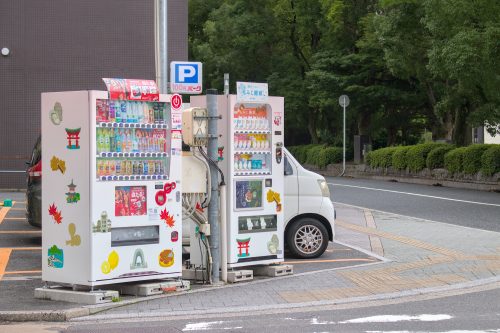
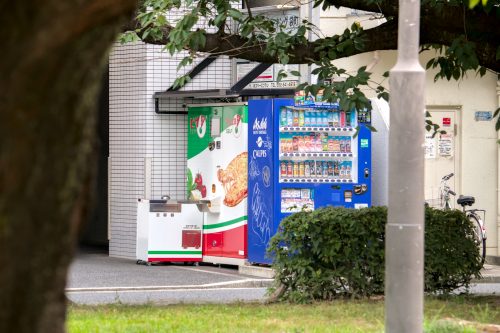
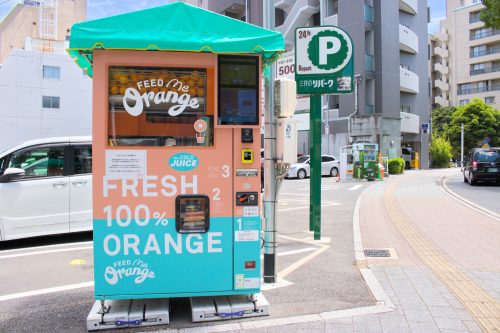
Vending machines are a natural part of life in Hiroshima, Japan. Hiroshima has vending machines that sell everything from clothes and souvenirs to iconic local snacks and freshly made hot meals. You don’t have to go far to find them either. Many of them are within walking distance of Peace Memorial Park, quickly satisfying the needs of locals and travelers alike.
Here are our top five unique Japanese vending machines near Peace Memorial Park.
No. 5: The Fresh Squeezed Orange Juice Machine
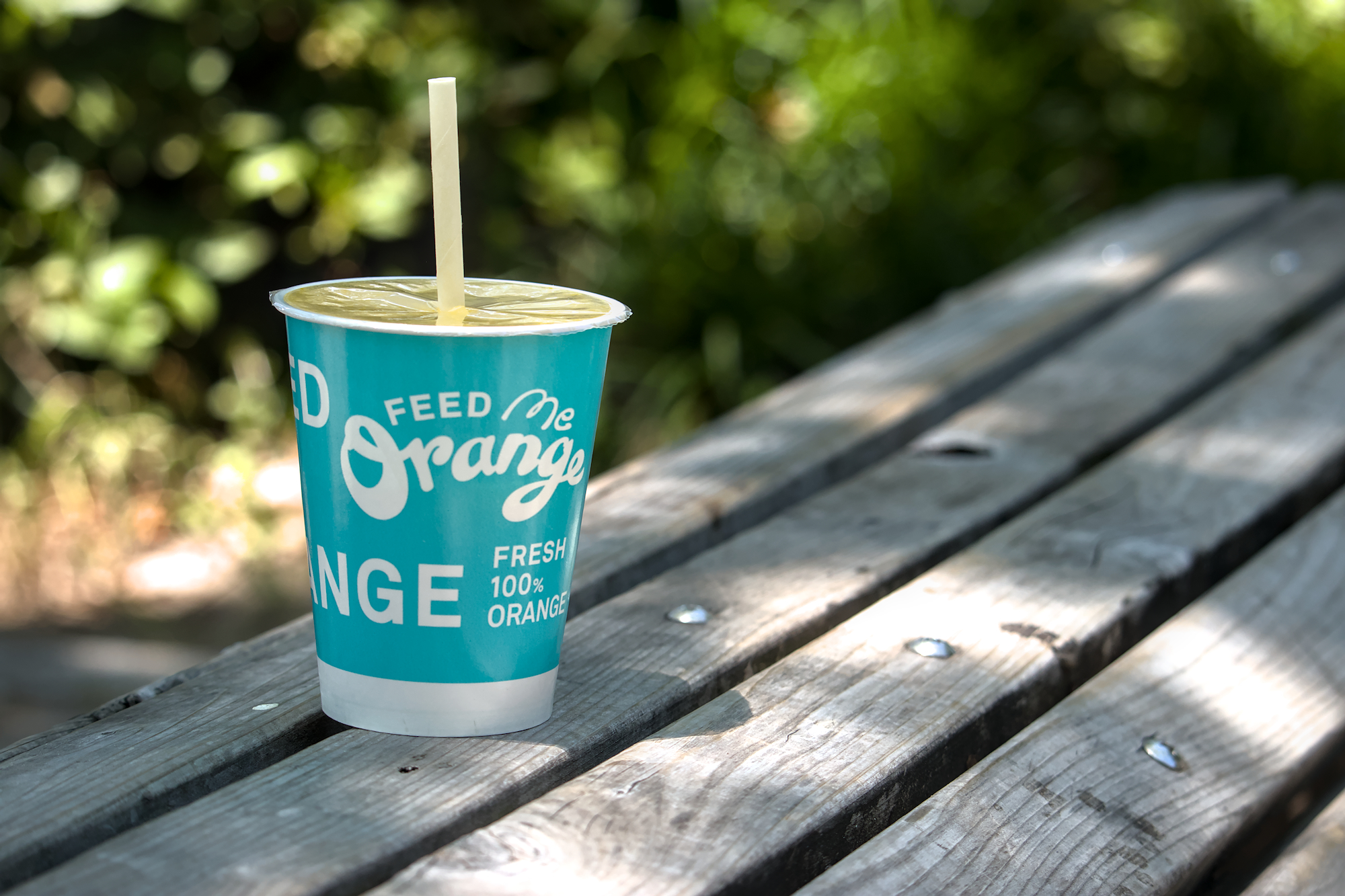
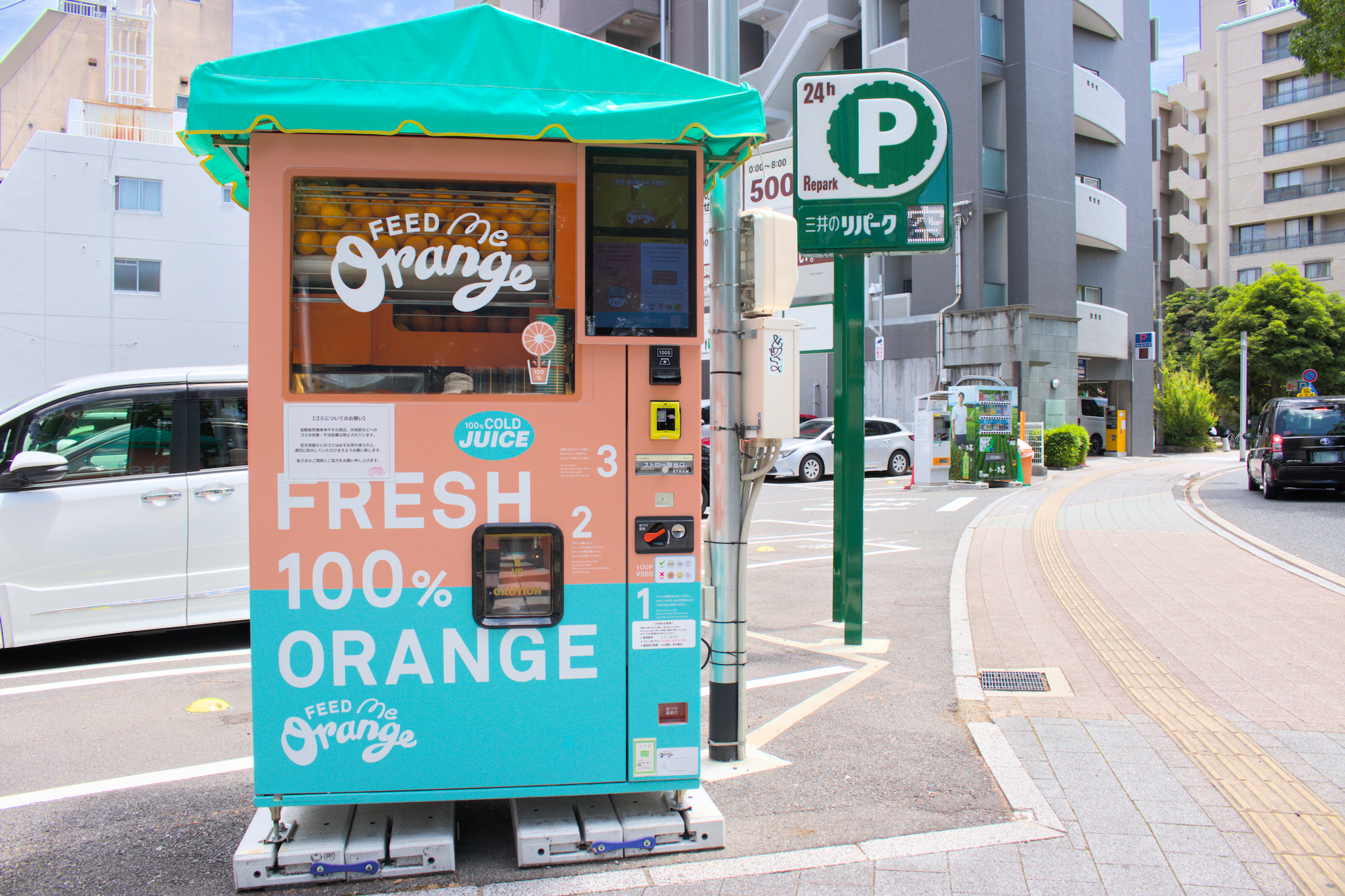
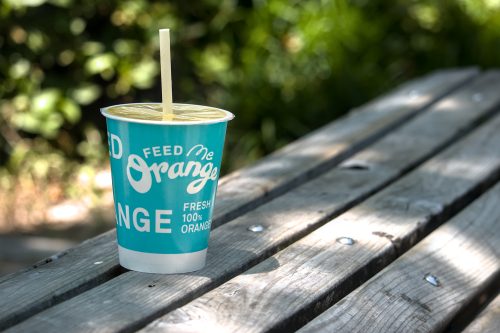
Drop a few hundred-yen coins into Hiroshima’s fresh-squeezed orange juice vending machines. There are two brands in the city — Feed ME Orange and IJOOZ. They have multiple locations around the city, including one right across the street from Peace Memorial Park.
¥500 (about $3.15) buys about three oranges worth of juice from the Feed ME Orange machine. The front of the machine is clear, exposing the mechanism inside. You can watch as your oranges drop onto a conveyor belt and slide one by one into the juicer. There are no buttons to push or options to select unless you want to pay without cash. The machine whirs to life the moment you put your coins in. 40 seconds later, a mechanical door opens with your juice ready inside. An additional door vends straws.
No worries about rotten oranges. The machines are chilled under 10°C (50°F), keeping the oranges fresh and your beverage cool when it comes out. According to the Feed ME Orange website, the variety and origin of the oranges change with the seasons, so you’ll experience a slightly different drink depending on when you visit.
You can find the machine across the street from the giant bust of Gandhi on the eastern side of the park.
No. 4: Japanese Traditional Sweet Vending Machine
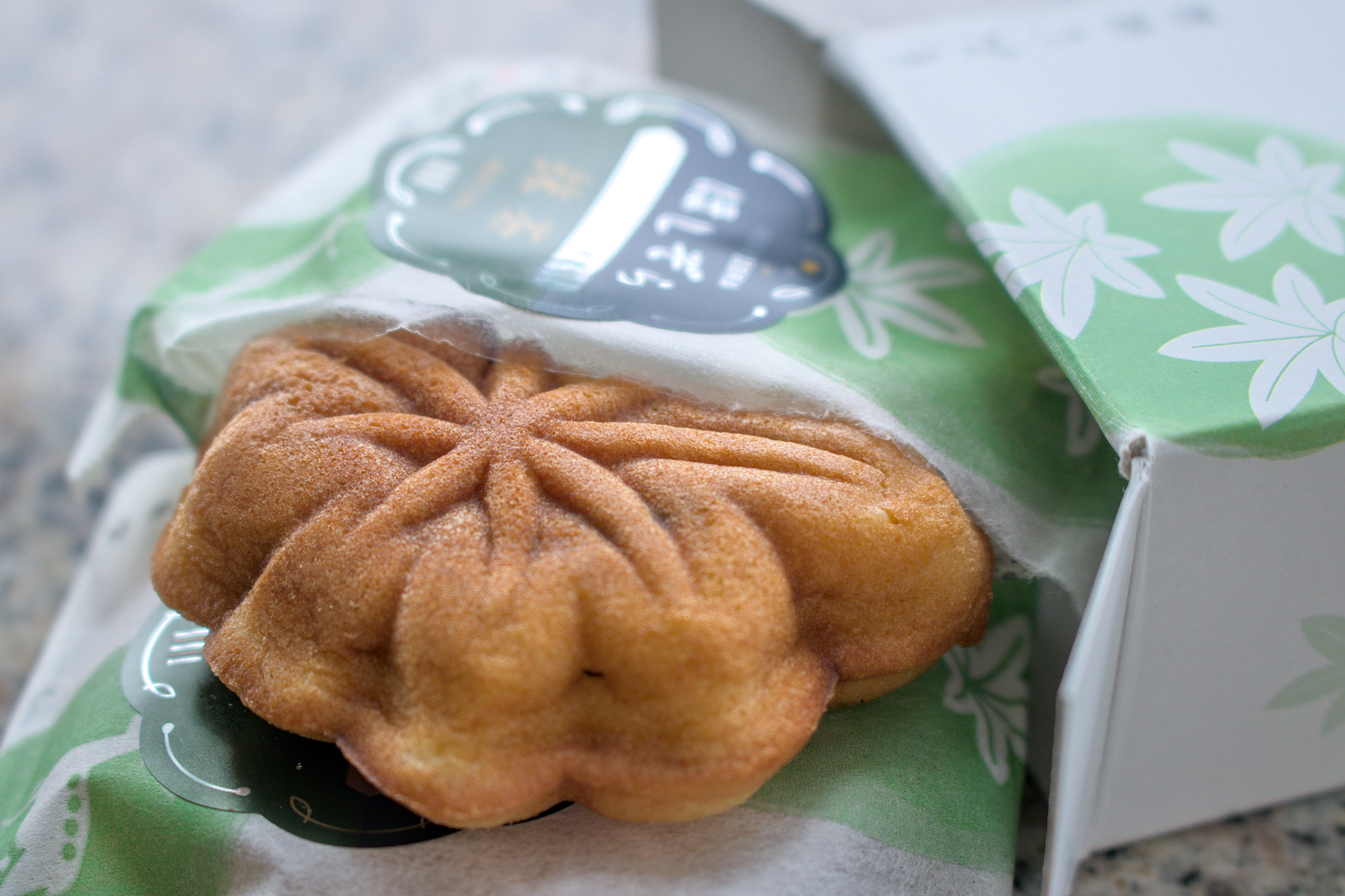
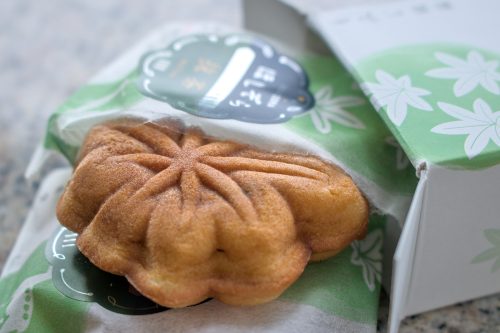
Grab a local sweet from a vending machine two blocks north of the orange juice machine. The region’s most famous treat is called “momiji manju.” It is a mildly sweet castella cake traditionally filled with sweetened anko, red bean paste. Today it can come with a wide variety of fillings. The maple-leaf-shaped treat originated on Miyajima Island, where it was invented over a century ago for elite visitors to the island.
The momiji manju vending machine sells eight filling varieties from Momijido, which has been making the treat on Miyajima since 1912. The fillings include traditional flavors like tsubu-an (chunky red bean paste) and koshi-an (smooth red bean paste). The machine also offers unique flavors like Setouchi lemon and hoshizora matcha. Setouchi refers to the region of Hiroshima Prefecture around the Seto Inland Sea. The area is famed in Japan for citrus fruits, especially lemons, and controls more than half of Japan’s domestic lemon market. Hoshizora matcha, meanwhile, comes from Hoshino Village in Fukuoka Prefecture. It is part of the Yame tea growing region, which has won over 24 consecutive National Tea Competitions. So while it doesn’t have the history and global name recognition of Uji matcha, it is currently the undefeated choice of Japanese matcha connoisseurs.
At ¥300 (about $1.90) for a pack of two, and ¥450 (about $2.84) for a pack of three, these snacks are very affordable even by Japanese standards. Plus, despite chilling in a machine for potentially days, the snacks have not developed any off-flavors, and they still have the moist, delicate and soft texture of a fresh momiji manju. Momijido does not skimp on fillings either, as at least half the volume of the cake is the flavorful center. It is on the sweeter side of Japanese treats, but compared to American sweets, is mildly sweet.
Unlike a bag of Gardettos or Skittles in an American snack vending machine, Momiji manju are fresh-baked goods with a limited shelf life. However, you can always know how fresh the manju are inside the machine by checking the best-by date in the window on the bottom right corner. Every time it is restocked, the date is updated with the closest date in the machine. Each box also comes with its own best-by date sticker, so you can check how many days you have until you have to eat it to enjoy the best flavor.
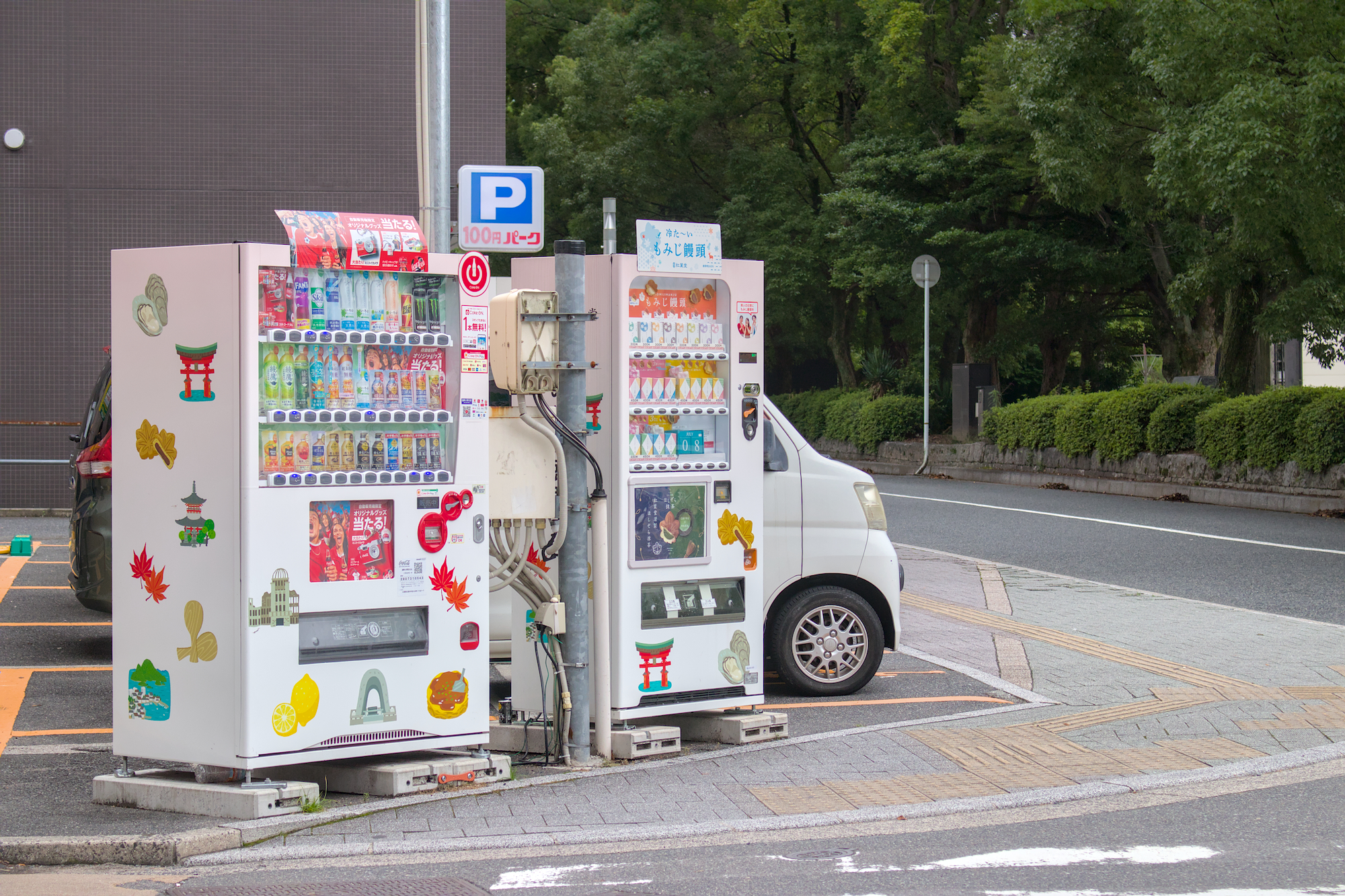
Momijido’s momiji manju vending machine is easy to find. It sits on the left-hand corner of the intersection between Hondori and the road that runs along the east side of Peace Memorial Park. Across the street is Peace Memorial Park’s popular Caffé Ponte and the historic Motoyasu Bridge.
No. 3: Hiroshima T-Shirt Machine
A two-minute walk from the orange juice and momiji manju machines is a vending machine that sells Hiroshima-themed T-shirts.
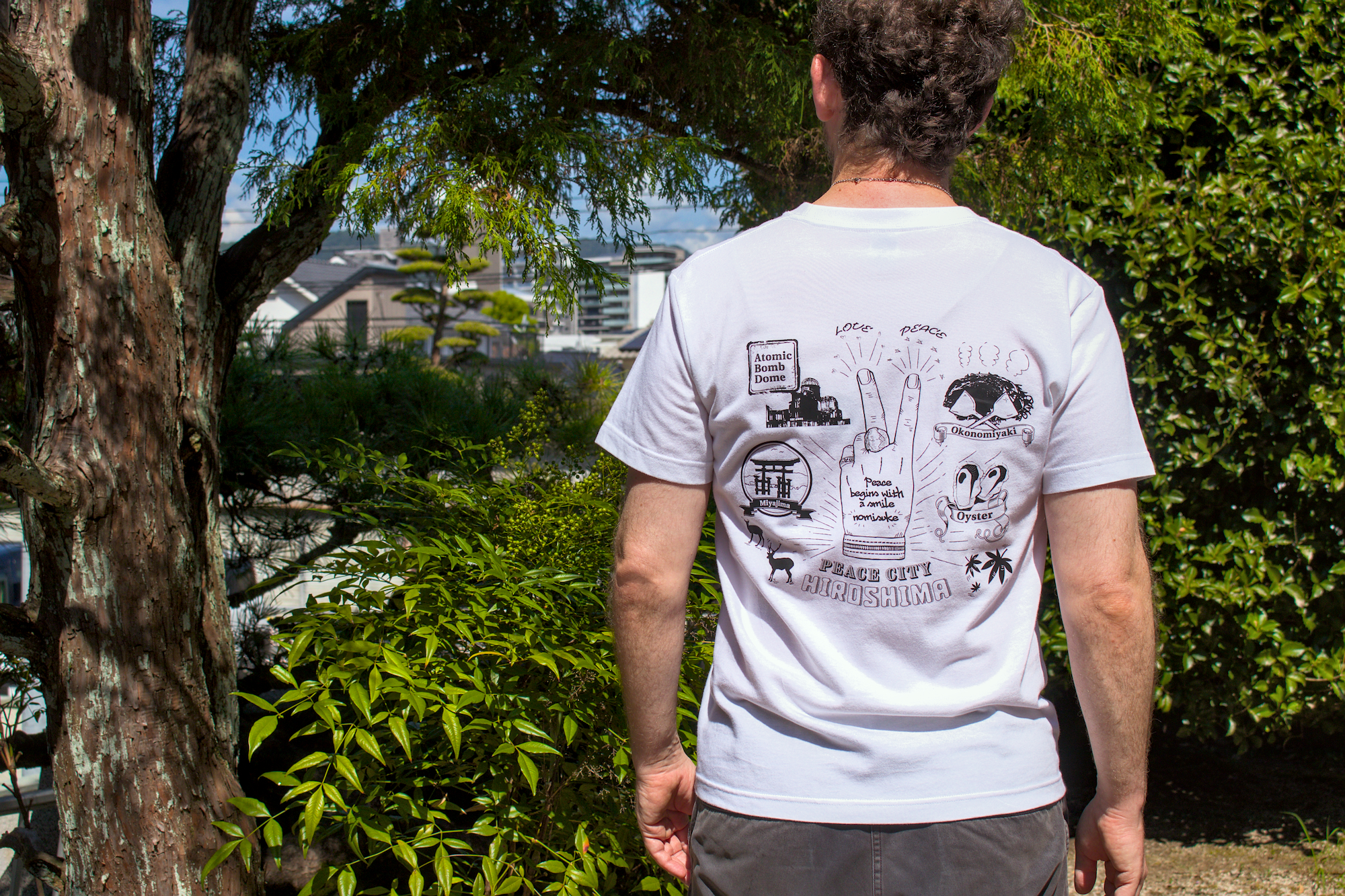
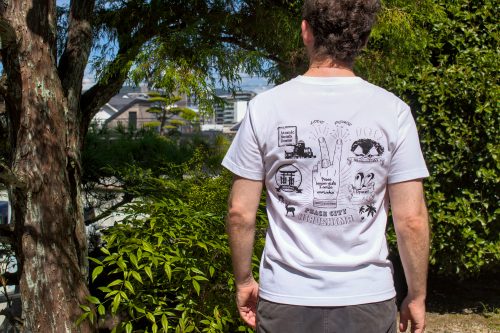
Nomisuke, a local clothing brand, sells three different T-shirt designs for ¥3,000 (about $19). The shirts, produced by United Athle, are 100% cotton. The fabric feels substantial and soft. The designs are distinctly Hiroshima-themed, and a portion of the purchase amount is donated to the fund that preserves the Atomic Bomb Dome. Nomisuke also has an online store; however, with online prices for similar shirts at ¥4,400, the vending machine is over 30% discounted.
The machine offers three styles. One simply displays the name, “Hiroshima” in a white, modern-looking, bold, sans-serif typeface inside a light blue text box. Another shows a large black-and-white image of the Atomic Bomb Dome, and the third style depicts an illustration of Hiroshima’s top icons: oysters, okonomiyaki, the Atomic Bomb Dome, Miyajima’s Great Torii, maple leaves, deer and peace activism. Visitors from Oceana and the British Isles may find the design of the “peace sign” on the back of this last shirt to be ironic. While in Japan it can be made with the palm facing in or out, in countries like Australia and the UK, the “reverse V,” made palm inward, is a vulgar sign of defiance. The Japanese intent is made unmistakeable by the “Love” and “Peace” written over the fingers and “Peace begins with a smile” on the back of the hand — details likely to elicit smiles from Irish, British, Australian and New Zealand visitors.
The shirts come in three sizes: M, L, and XL. There is also a measurement card on the machine to help you find your size. The card is in both Japanese and English. However, the English translation is off in a couple of places. To prevent confusion, please use your translation app to decipher the card correctly.
Getting to the vending machine is easy. If you are already inside the park, find your way to the bust of Mahatma Gandhi and cross the road. You’ll find a small park with playground equipment. Walk straight for two blocks. On your left, you’ll pass Kanak, one of the city’s most famous Indian restaurants. Take the first left after Kanak and walk for one more block. You will find the T-shirt vending machine on the corner of a parking lot on your right. The machine is bright blue and decorated with a traditional-looking image of a woman in a kimono, so it is hard to miss.
No. 2: Fresh-Cooked Pizza from a Vending Machine
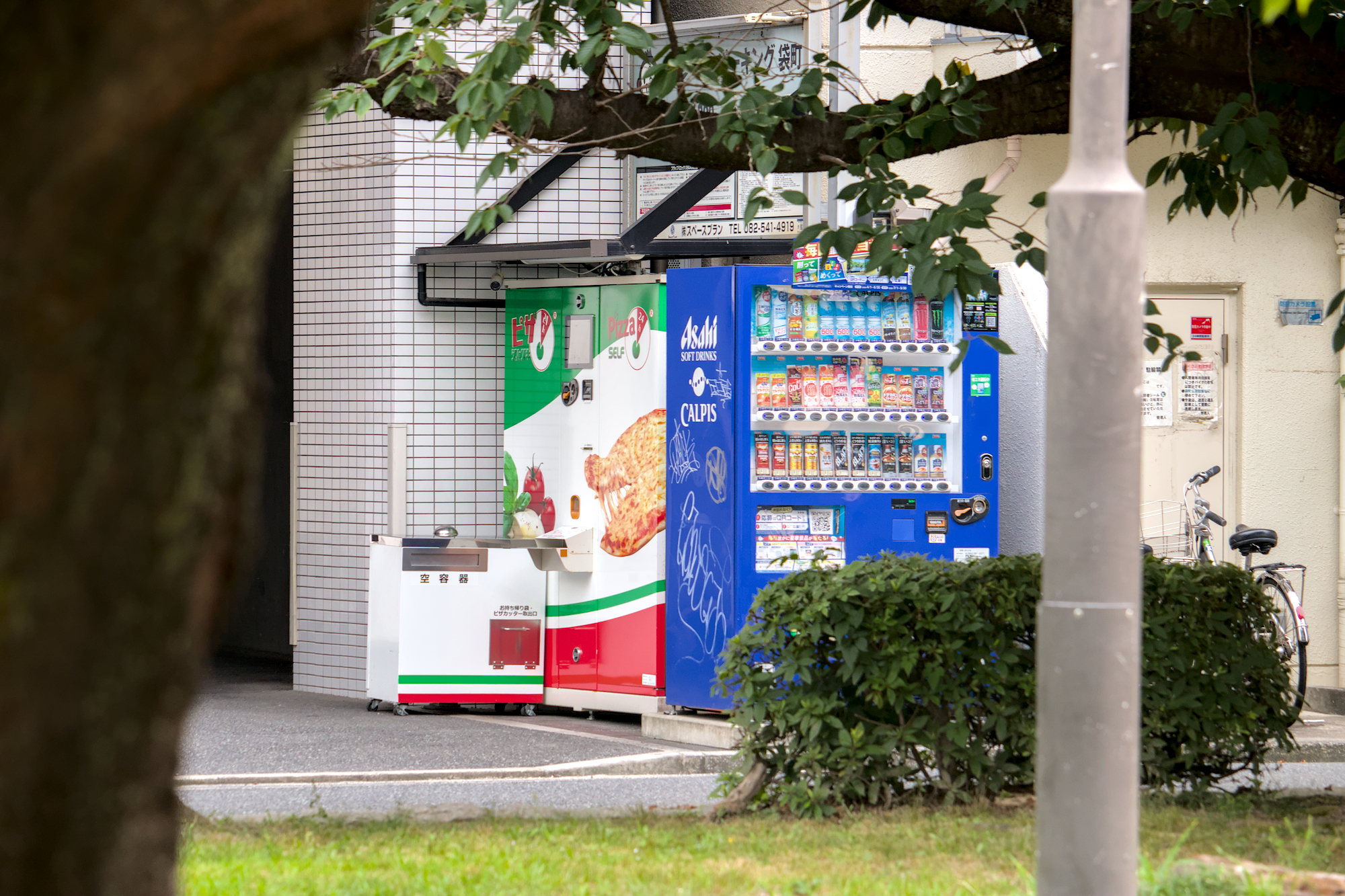
What would you do for fresh-baked, hand-tossed pizza on demand any time of the day? Yoshiharu Taniguchi, a Hiroshima local, was so crushed that the pizza shops near him were closed late at night that he imported an Italian-made pizza vending machine. He built a company around it, Pizza Self, and now vends fresh-cooked pizzas at five locations around Japan, including Hiroshima.
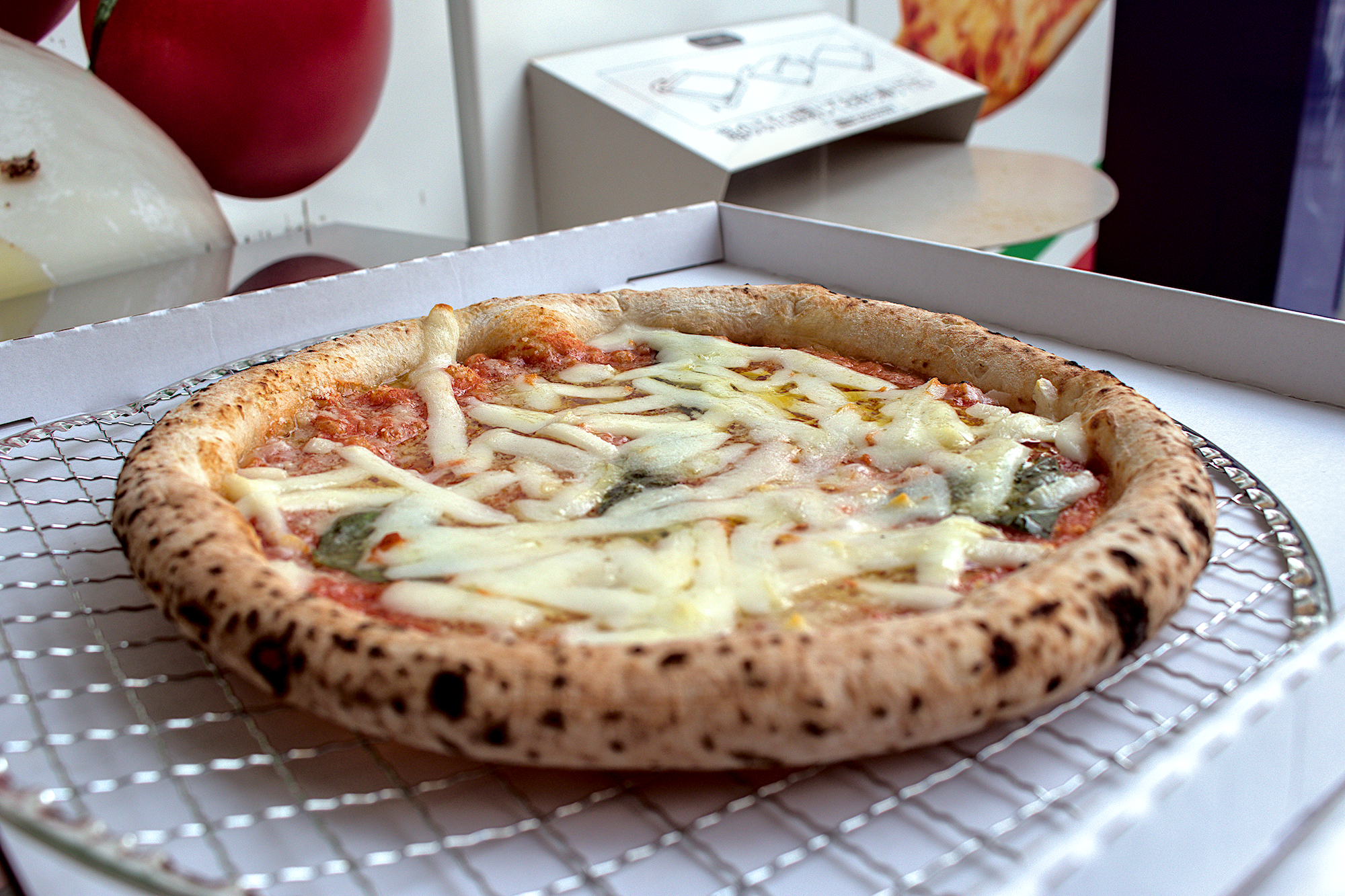
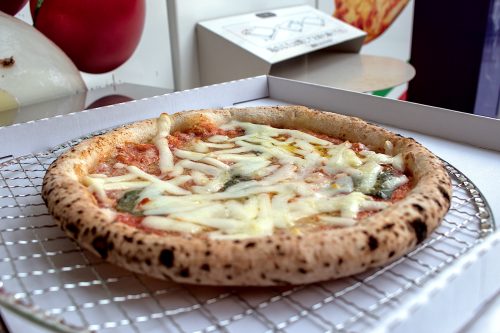
Pizza Self offers 18 varieties of pizza on rotation with two kinds available per machine — stocked frozen until purchased. The last time Joy in Hiroshima visited Hiroshima’s pizza vending machine, it sold margherita and seafood pizzas. We’ve also seen it selling quattro formaggi and salsiccia funghi.
The pies sell for around ¥1,300. That’s about $8. Once you make your selection and put in the money, the machine whirrs to life, cooks the pizza, places it in a box and slides it out for you to enjoy. A stainless-steel counter next to the machine has a door with a takeout bag, two napkins and a disposable pizza cutter that works pretty well. There are also directions on the machine for folding the box cover so you can take it to eat at your hotel or just across the street at Fukuromachi Park. Cooking takes precisely three minutes, and the whole process takes about five. That’s faster than McDonald’s if you include waiting in line.
The taste is good compared to the Japanese pizza average. It is even better than many restaurants in the city. Quattro formaggi has a distinctive blue cheese flavor while salsiccia funghi stands out with a mushroom topping. The margherita is respectable, but not mind-blowing. The cheese is flavorful, though sparse. The tomato sauce is appropriately tangy and nicely complements the crust, which is the best part. Well-made crusts are uncommon in Hiroshima except at specialty pizza shops. However, Pizza Self’s crust is chewy inside and crispy outside with a rich, yeasty flavor.
Hiroshima’s fresh pizza vending machine is about a 15-minute walk from Peace Memorial Park and a four-minute walk directly south from Hondori, the main covered shopping street.
To get there from Peace Memorial Park, leave the park going east from the intersection by Caffé Ponte. Keep walking straight into the covered shopping arcade, cross the main road and enter the next section of the covered shopping street. After about 10 minutes you’ll see a Yoshinoya (a popular chain restaurant) on a corner on your right. Turn right at Yoshinoya and go straight for four more intersections. Turn left at the fourth intersection. Pass South Park Sandwich and keep walking. You’ll find the pizza vending machine on your right.
There are lots of frozen pizza vending machines in Japan but only five machines that cook the pizza for you. If you want to visit the other fresh pizza vending machines in Japan, you’ll have to explore deep into the countryside — small, rural towns like Tsushima, Nagasaki Prefecture; Iwate Town, Iwate Prefecture; Karuizawa Town, Nagano Prefecture; and Takashima, Shiga Prefecture. There used to be a fresh pizza vending machine at Haneda Airport. You can find videos about it on YouTube, but it is no longer there. Consequently, Hiroshima is now the only major city in Japan that has a fresh pizza vending machine.
No. 1: Hiroshima-Themed Playing Cards
Hiroshima is famously underexplored by foreign visitors, as most don’t know it is a destination for anything other than Peace Memorial Park and Miyajima. But this is not how the Japanese see Hiroshima. The region (also called Hiroshima) is renowned across Japan for its unique local history, culture, geography, cuisine, and products. Also little known is that you can start exploring off Hiroshima’s beaten path by first visiting a vending machine.
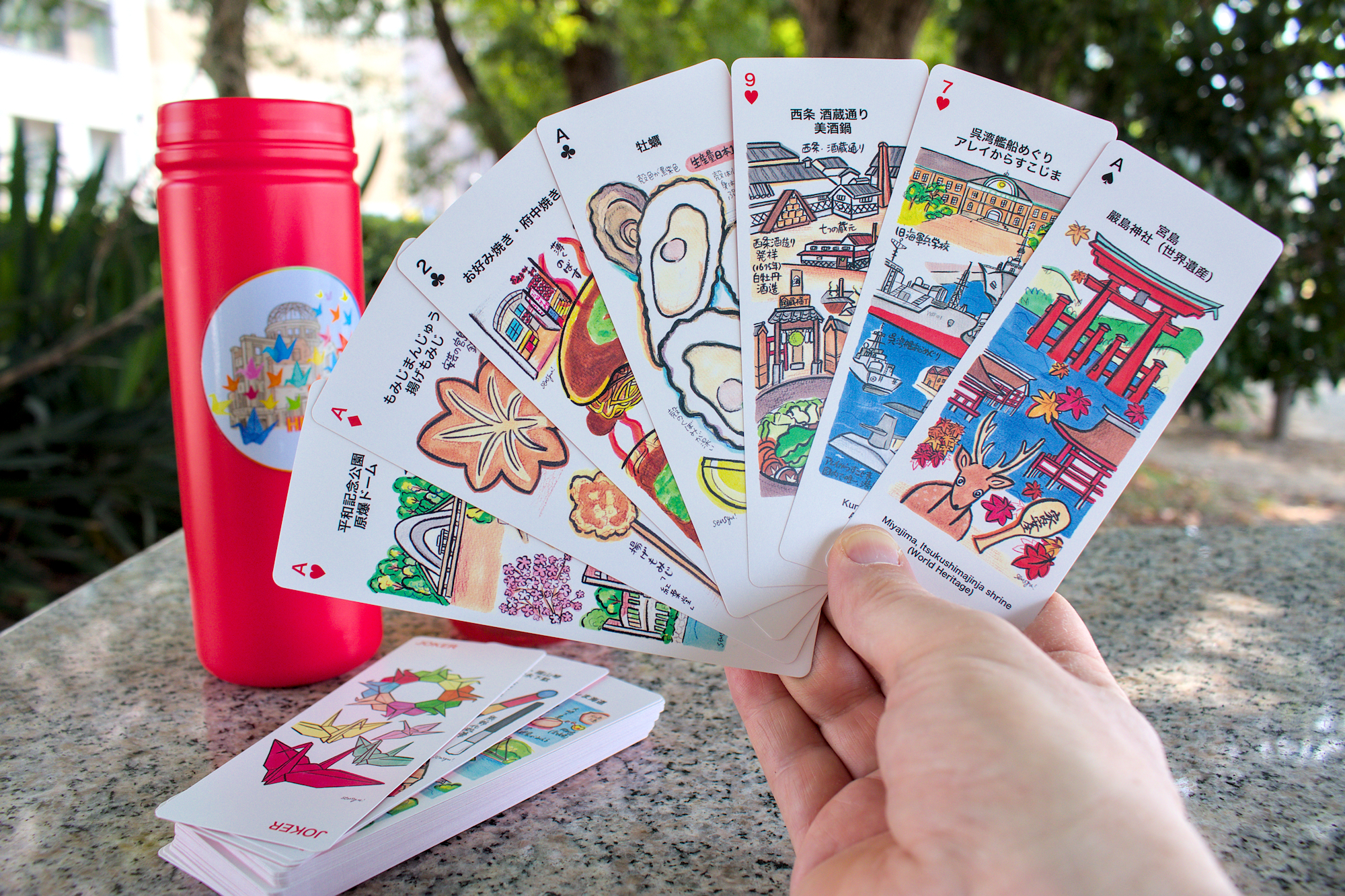
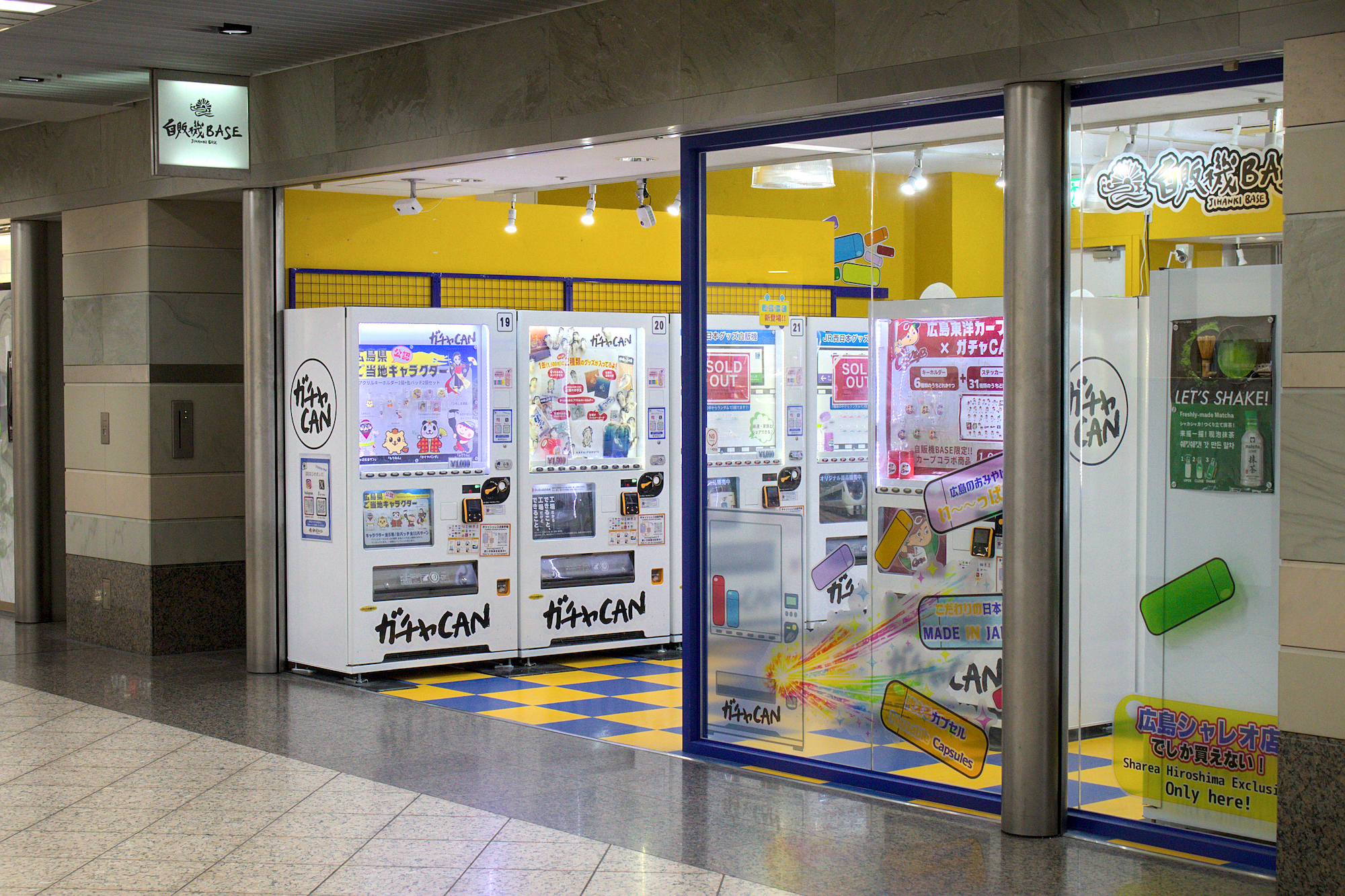
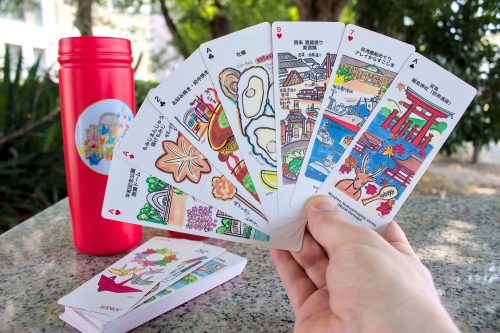
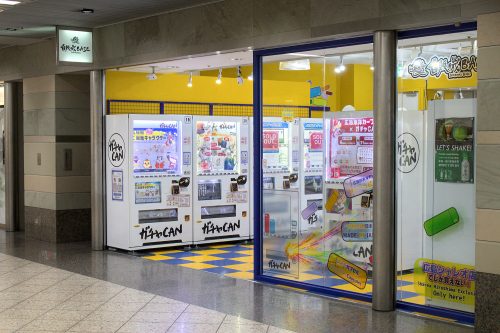
Jihanki BASE (自販機BASE紙屋町店), a GatchaCAN (ガチャCAN) vending machine parlor in the underground mall next to the Atomic Bomb Dome, sells the ultimate Hiroshima guidebook: a pack of Hiroshima-themed playing cards.
Every card in this 54-card deck features a different Hiroshima specialty, each one hand-illustrated by Sensyu Yasuko. Using her skills as a 7th dan calligrapher and over 30 years as a commercial illustrator, Yasuko brings to life well-known sites like Peace Memorial Park, but also less visited locations like Kousanji Temple’s “The Hill of Hope,” a stone garden made entirely out of white marble.
Use the cards to find your next meal beyond okonomiyaki. Discover local specialties like tsukemen, ramen noodles for dipping, or Inko Ice, a brand of artisan ice cream that blends flavors around what it feels like to hug a pet bird.
When you’re not researching what to do next, the cards are just as durable as a normal deck of cards, perfect for killing time on the Shinkansen bullet train or in your hotel room. Finally, when your trip is done, the deck serves as a memento of your memories and a guide to more thoroughly researching your next trip to Hiroshima.
How many souvenirs function as a travel guide, a work of art, a game and a memento all at once? This is why Sensyu Yasuko’s “Hiroshima trump” playing card deck is not only Joy in Hiroshima’s number one pick for a cool vending machine product, but it is also our top choice for a Hiroshima souvenir.
Trump, by the way, is the Japanese word for playing cards, and Yasuko created decks for 12 different Japanese cities. The Hiroshima deck currently sells for ¥3,000 (about $19) at Jihanki BASE, in Kamiyacho Shareo, the underground mall. But decks for Tokyo, Osaka, Nara and Okinawa can also be picked up at vending machine halls and souvenir shops in those cities. You can find the complete list of decks here. See if you can collect them all!
Bonus: Canned What?!
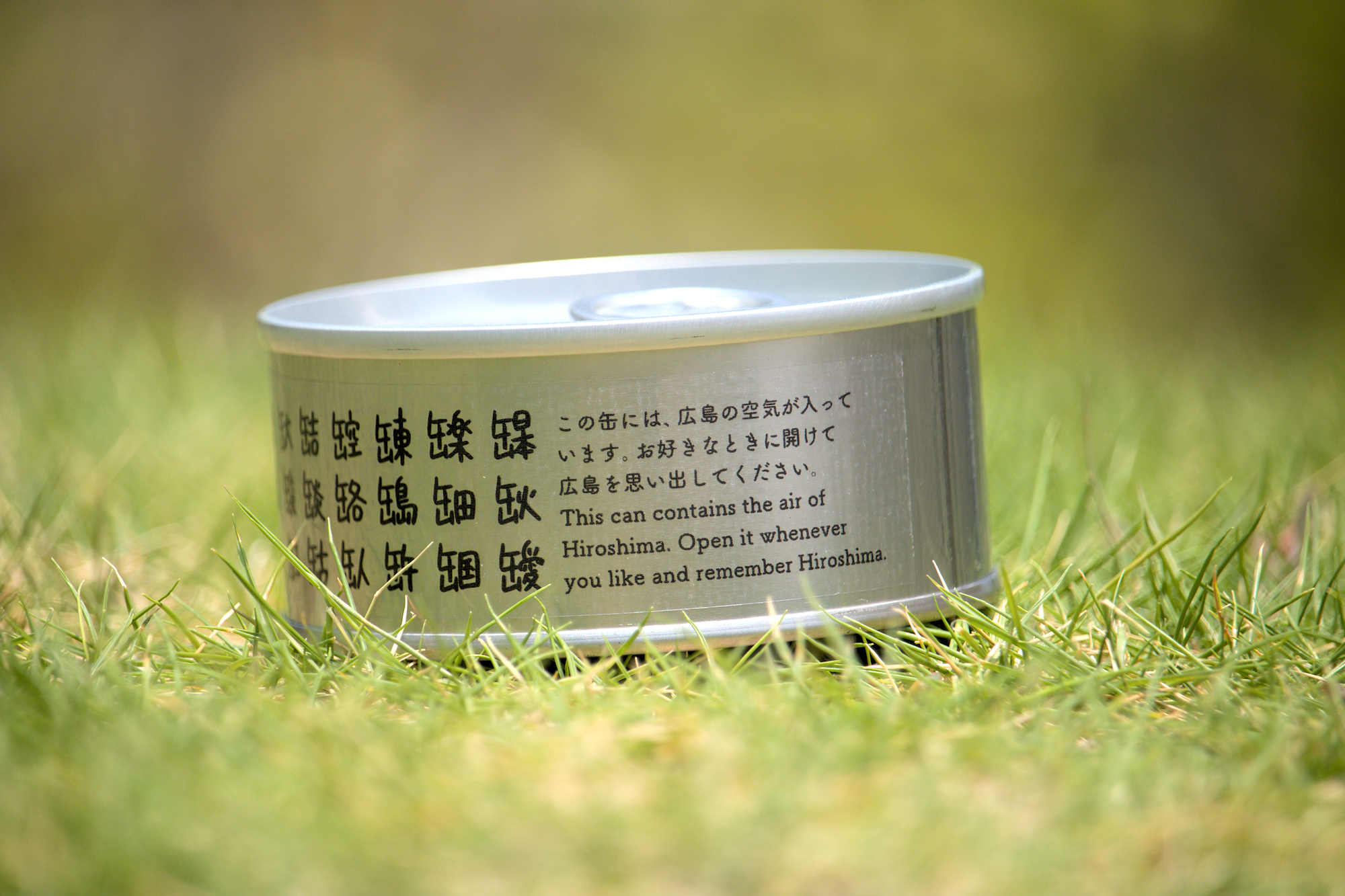
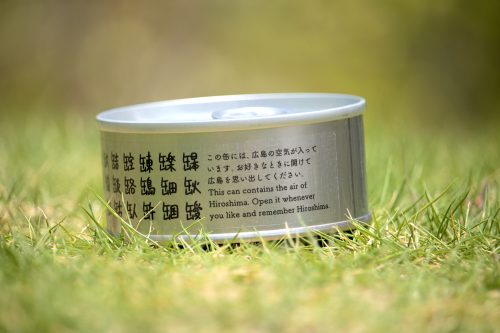
While you’re exploring the “GatchaCAN” vending machines at Jihanki BASE, consider our choice for the top conversation starter — a can of Hiroshima’s air.
For ¥500, you can buy about 110 ml of Hiroshima’s air. It is not a gag either, though you could buy it as a gag gift. According to the vendor, “this product was created with the idea of giving travelers something a little unusual — something that makes them smile and want to tell others about their trip.”
They definitely succeeded in their goal. Almost every time Joy in Hiroshima visited the shop, Japanese visitors approached the canned air machine with incredulous mirth.
And people genuinely buy the product. According to Jihanki BASE’s manager, they have to restock the machine about once a month. One machine holds 100 to 150 cans. That means potentially 100 people a month could be dreaming of making their friends smile, laugh and wonder at the genius or absurdity of selling what is essentially an empty can.
While You’re in the Area…
The area around Peace Memorial Park is one of the busiest sectors of the city with much to see and do. If you only plan to visit for a little while, check out our comprehensive guide to exploring Peace Memorial Park on a time budget. It not only covers the essentials of the park but the best attractions nearby too.
Moment of Joy
Hope for Society
Exploring Japanese vending machines is an exercise in the joys of novelty, radical convenience, and consumer trust that is sometimes hard to imagine existing in the countries travelers hail from. You can find vending machines literally anywhere in Japan, not just shopping centers and commercial districts. The variety and ubiquity of these machines points to a seemingly utopian civilization where city streets are free from petty theft and vandalism. It suggests that a society where nearly everyone practices communal respect and trust is not naive idealism, but something genuinely possible. And in this day and age, that is a happy thought.