Eat
Mikoto-ya: Serving Up Hiroshima’s Alternative to Unagi Teishoku Style

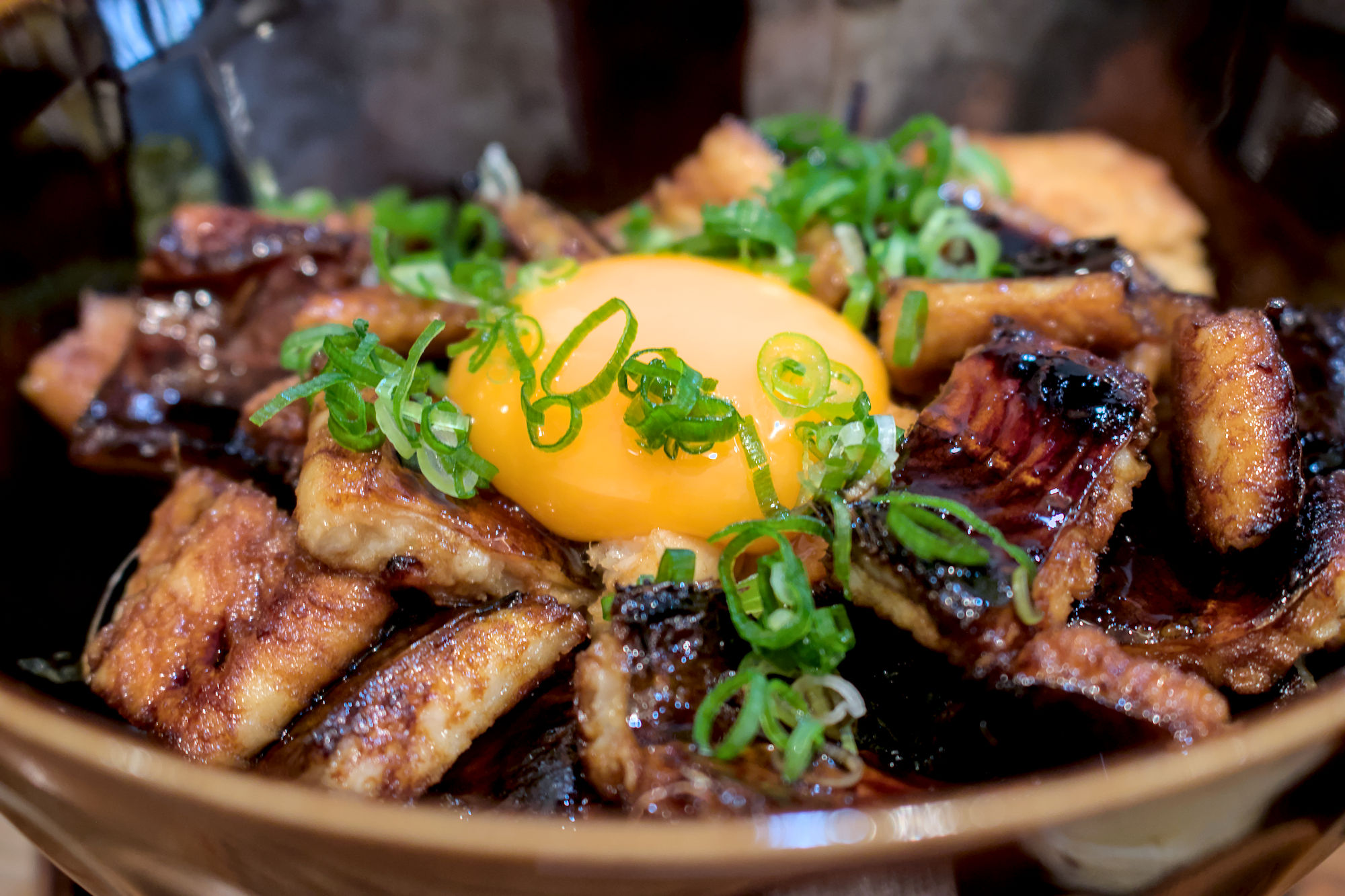
Don’t eat unagi in Hiroshima. Do what the Japanese do. Eat anago (穴子) — Japanese conger eel.
In particular, the region around Miyajima is famous for anago meishi (あなご飯), broiled or grilled anago over rice. When you visit, one of the best hidden places to enjoy anago meishi on the island is Mikoto-ya (みこと屋).
What is Anago?
Anago is unagi’s less famous cousin. This nutty and tender saltwater eel has a milder and more accessible flavor than unagi whose deep, robust flavor is less accessible.
Historically, the Seto Inland Sea — the body of water Miyajima is located in — supported a thriving anago fishing industry. This led to the invention of anago meishi by the locals. The flavorful dish is simple. Rice is cooked in anago stock, then topped with broiled or grilled anago fillets basted with a sweetened soy-based sauce called tare (タレ) — pronounced with two syllables. The dish became famous after 1897 when it started being sold as an ekiben (駅弁), a bento for eating on trains. Its fame spread along the railroad and eventually became an icon of the region. It is a dish that Japanese people add to their Miyajima trip bucket list the way Americans add philly cheesesteak to a Philadelphia trip or deep dish pizza to a Chicago trip.
Mikoto-ya: The Locals’ Anago Shop
When looking for anago shops, it is hard to miss the most famous place to enjoy anago in Hiroshima — Anago Meishi Ueno (あなごめしうえの 宮島口本店) on the walking route between Miyajimaguchi Station and Miyajimaguchi Ferry Terminal. After all, it is the shop that first sold anago meishi as an ekiben. However, Ueno is very touristy. For a great experience off the beaten path with a more local vibe, go to Mikoto-ya.
Mikoto-ya’s Specialty: Anago Meishi Teishoku
Mikoto-ya is a small anago meishi shop on Miyajima that takes the classic dish and presents it in teishoku style. Teishoku (定食) is a traditional Japanese-style of meal where individual dishes are served all at once on a tray. The cooking methods; emphasis on natural flavors; usage of fresh, seasonal ingredients; and commitment to the balance between dishes is comparable to kaiseki (懐石). However, teishoku is considerably less formal, being designed for everyday meals, and it balances flavors and textures all at once while kaiseki balances over successive dishes.
The Menu
Teishoku meals typically have five components: a main dish, rice, side dishes, Japanese style pickled vegetables, and a soup.
The Main Dish & Rice
The anago in Mikoto-ya’s main dish are tender, sweet and almost butter-creamy with a delicate umami. Japanese visitors describe the meat as so tender it is fluffy. The anago’s melt-in-the-mouth texture comes from a variation in how it is cooked. Many places grill or broil the eel. Others simmer or steam it. Mikoto-ya combines methods, simmering the eel and then grilling it. After being basted with tare, the finished anago are layered over a fluffy bowl of steamed rice and topped with nori, green onions and a raw egg yolk. The dish comes in different portion sizes. The smallest portion, the Anago-don (穴子丼), provides enough food for a single serving without feeling stuffed afterwards.
If someone in your group is not fond of seafood, the large-sized Hiroshima gyuu rosutobifu to anago no ju (広島牛ローストビーフと穴子の重) includes roasted Hiroshima beef that comes from pasture-grazed cattle raised in northern Hiroshima Prefecture.
The Side Dishes
Over the seasons, the main dishes at Mikoto-ya do not change. However, as fresh ingredients go in and out of season, the side dishes do change. When Joy in Hiroshima visited in September of 2026, the sides included age tofu (揚げ出し豆腐), age sato imo (揚げ里芋), and chawanmushi (茶碗蒸し).
Age (揚げ), pronounced “ah-ge”, in these dishes means “deep-fried.” Agedashi tofu is a typical teishoku dish, especially in summer. Mikoto-ya batters tofu in cornstarch before lightly deep-frying it. It is then bathed in a bowl of chilled, dashi-based sauce and topped with grated daikon and green onions.
Age sato imo are deep-fried taro balls. Taro is first simmered in dashi and mirin, a sweet rice-wine, before being deep-fried. The resulting side-dish is savory-sweet with a crispy crust and a tender interior.
Chawanmushi is another classic Japanese side dish. It consists of a savory, steamed egg custard mixed with little surprises like ginkgo nuts, shiitake mushrooms and clam meat. Its name comes from how the dish is served and cooked. The dish typically comes in a small ceramic cup with a lid on it. This cup is called a chawan (茶碗). Mushi (蒸し), meanwhile, simply means steamed.
Reviews of the shop highlight the side dishes made with locally caught oysters, another distinctive Hiroshima specialty. However, oysters are not usually available. Shingo Kawaguchi (川口眞吾), the chef and owner, is very strict about food quality. While many places on the island will serve thawed oysters throughout the year, Kawaguchi only has oysters on the side menu in wintertime during the oyster harvest.
The Pickles and Soup
Japanese style pickles are called tsukemono (漬物) — literally “pickled things.” And there are so many things that the Japanese turn into pickles, from eggplants to ginger. In September the tsukemono was a variety of thick-cut gari with a more complex flavor than the gari at kaiten sushi shops. As for the soup, the chef kept it simple and traditional: a well-executed but quite normal miso soup.
Service: Responsive, Polite & Clean
On arrival, I was politely asked to wait for a moment on one of the stools by the entrance while Kawaguchi, the only staff in the tiny shop, cleared the dishes of a customer who was just leaving. About five minutes later I was invited to sit and was given the menu. Classic soul music played over the restaurant’s speakers.
The menu was written in Japanese; however, Kawaguchi was able to explain the differences in the simple menu. For each of the five options, he explained the differences by pointing to the offerings and then holding up the different sized bowls that went with each menu item. He knew some English words too and used them when he could.
The bar looked directly onto the open kitchen, providing views of Kawaguchi as he prepared the meal which came in under 10 minutes.
The Space & Getting a Table
Some Japanese shops try to fit as many customers as possible into a small space. However, despite being quite small, the minimalist dining area does not cram as many small stools as it can into the space. Instead, there are four wide seats at the bar with plenty of elbow room between them, and there are two tables with comfortable eating space for four adults each. This makes the space very comfortable, but still limiting if your party is larger than four. Plus, with a max occupancy of 12 customers, you may have to wait to be seated if you walk in without a reservation.
Mikoto-ya is one of the few anago shops on the island that take reservations. It is open for lunch from 11 a.m. to 1:30 p.m. However, it is often full of reservations — a smart choice on an island of dense lunch crowds and long lunch lines, especially a few blocks away at the shops on Omotesando (表参道商店街), the main shopping street. However, you might be able to grab a spot as I did around 1 p.m., 30 minutes before it closed. Mikoto-ya opens again for dinner at 5 p.m. and closes for the day at 7:30 p.m. They are fully closed every Monday.
Getting There
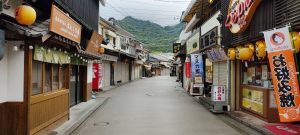
From Hiroshima Station, take the JR Sanyo Line to Miyajimaguchi Station (宮島口駅). Walk five minutes to Miyajimaguchi Ferry Terminal (宮島口旅客ターミナル) and take the best ferry for your needs to Miyajima. Once there, you’ll see a Lawson convenience store to the right of Miyajima Ferry Terminal across the street. Take the road to the left of Lawson, and continue through Minato Tunnel (みなと隧道). When you get to the end of the street, Mikoto-ya will be right in front of you on the opposite corner in a traditional-looking building with minimal signage.
Great Spots Nearby
If it is late in your trip and you are hungering for something comforting and familiar, visit Cuillère Miyajima on the other side of the block. This Italian bistro serves up handmade sandwiches and rich, flavorful plates of pasta like carbonara, amatriciana and oyster peroncino. Like Mikoto-ya, it is also one of the few eateries on the island open for dinner after sunset.
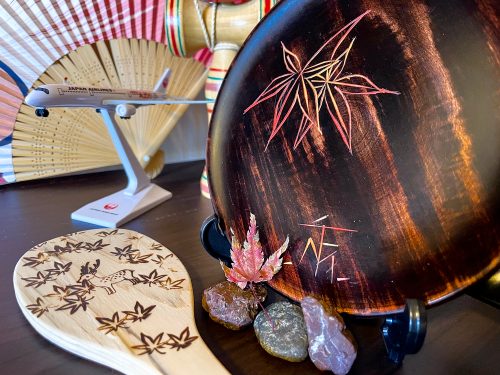
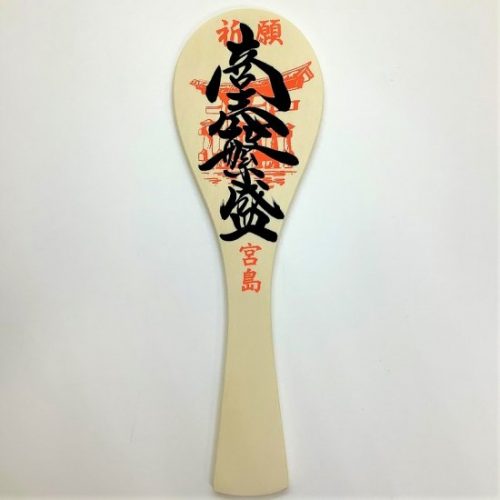
After eating, consider making all your iconic local souvenirs yourself. Head back to the ferry terminal and go up the road a little to Miyajima Traditional Craft Center to apply centuries-old local woodcarving techniques to a souvenir plate. You can also decorate your own wooden rice scoop with hot irons and cook the island’s signature treat, the momiji manju — a maple leaf-shaped cake filled with anko paste or chocolate.
For our full list of recommendations, see our article The Top 10 Things to Do in Miyajima.
Moment of Joy
Uniquely Delicious Chawanmushi
In September, every set on the menu came with chawanmushi. Chawanmushi is a common Japanese dish. It is also a dish that can split the table. A common trope among my married friends is that our wives rate the dish very highly while the husbands would rather not eat it at all. I’ve lived in Japan for over a decade, and in that time I have politely endured the dish year after year when it inevitably came up at formal company dinners and ryokan course meals. On occasion, I’ll try my wife’s when we go out for sushi, just to make sure I still dislike it. Mikoto-ya, however, surprised me. For the first time in my life, I genuinely enjoyed the chawanmushi with my meal.
Kawaguchi-san is extremely humble about his craft, saying he doesn’t do anything differently than others. Well, he is doing at least one thing differently. Meanwhile, the rest of the meal introduced me to new and welcome perspectives on Japanese ingredients I thought I knew and understood. I didn’t, and the revelation was delicious.
Written by

Michael Farrell is a reporter and editor who began traveling the world in 2010. His publishing career started in New England, first at the Gloucester Daily Times and later as a copy editor with boutiq…More


- Open
- Lunch: 11 a.m. ~ 1:30 p.m.
Dinner: 5 p.m. ~ 7:30 p.m.
- Closed
- Wednesdays
- Payment
- Cash only
- Price Range
- ¥3,500 ~ ¥5,000 per set meal