Experience
Hiroshima National Peace Memorial Hall for the Atomic Bomb Victims
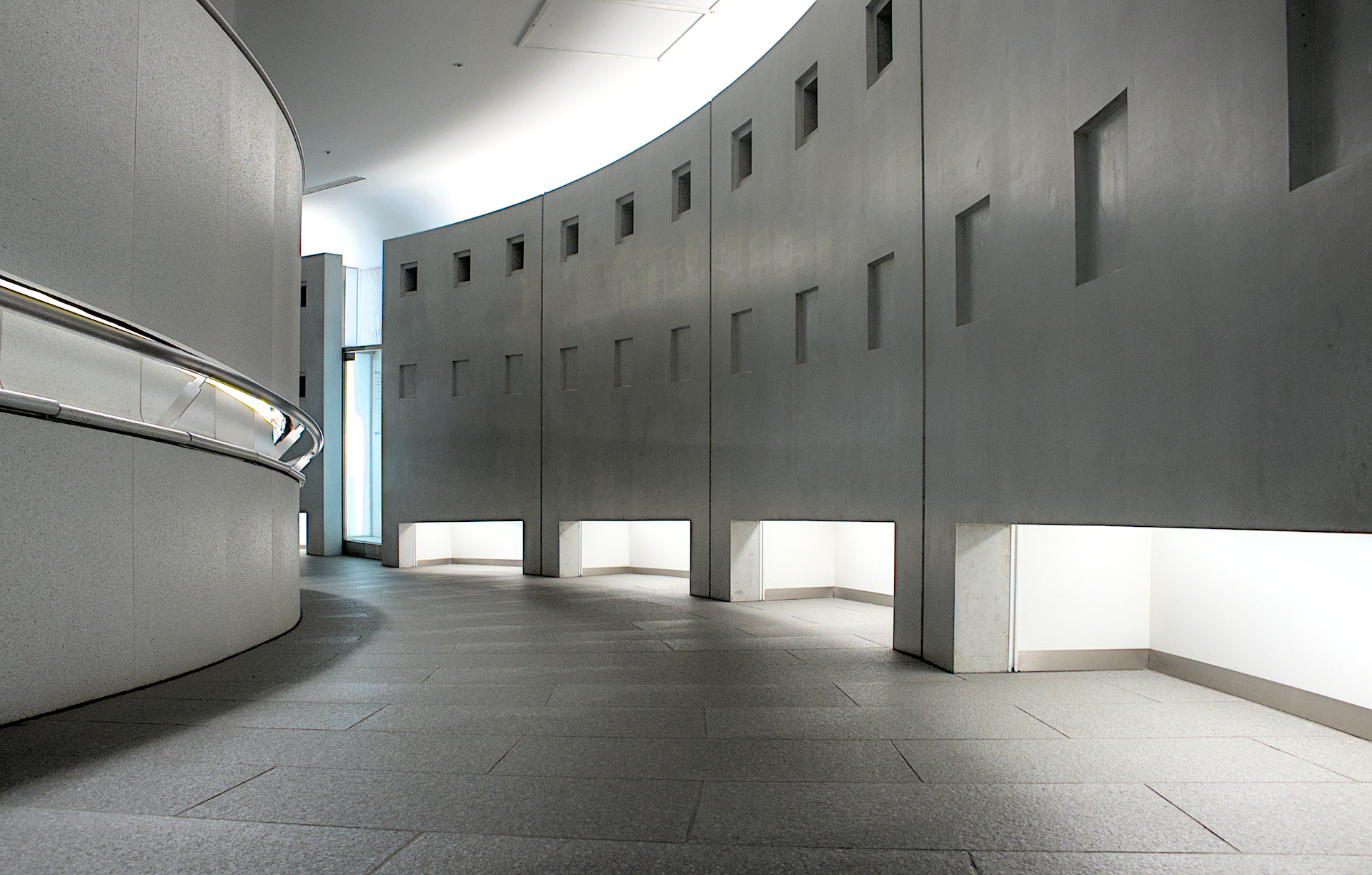
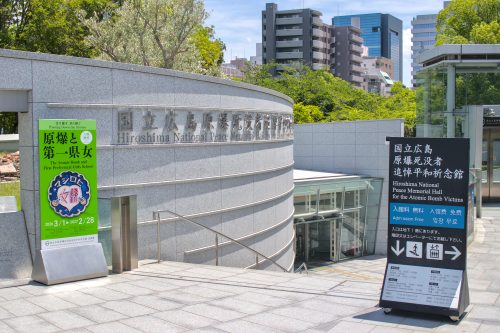
Lots of monuments commemorate the past. Peace Memorial Park, though, invites visitors to witness the past. The Cenotaph for the Victims of the Atomic Bomb’s arched “window” on the ruins of the Atomic Bomb Dome is the park’s most prominent retrospective. However, perhaps the most symbolically heavy trip back in time is found at Hiroshima National Peace Memorial Hall For the Atomic Bomb Victims.
Designed by Kenzo Tange, the park’s lead architect, Memorial Hall draws on multiple symbolic themes to take visitors deeper into the human tragedy of the atomic bomb.
(Joy Photo / Michael Farrell)
The 8:15 Monument
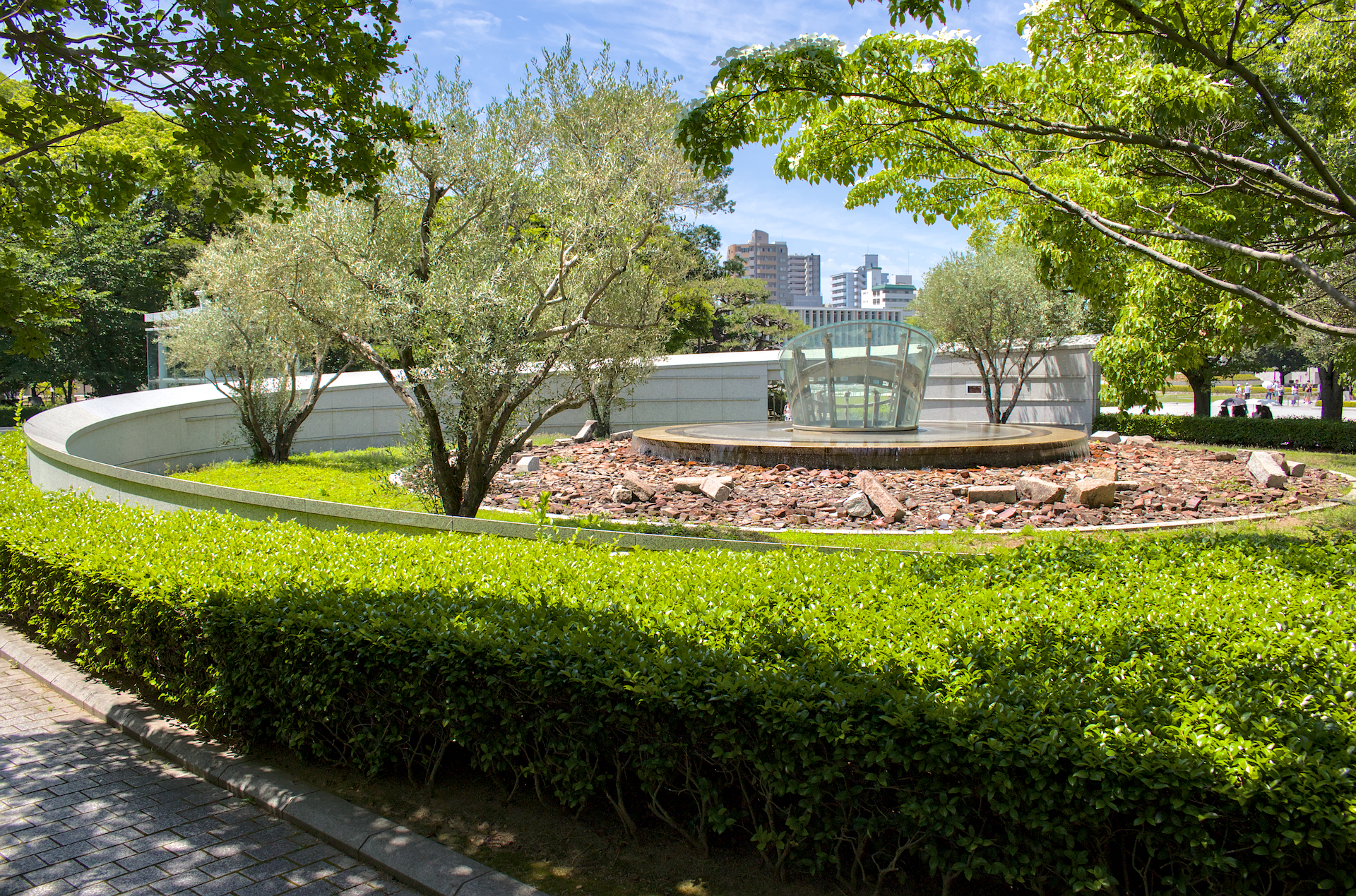
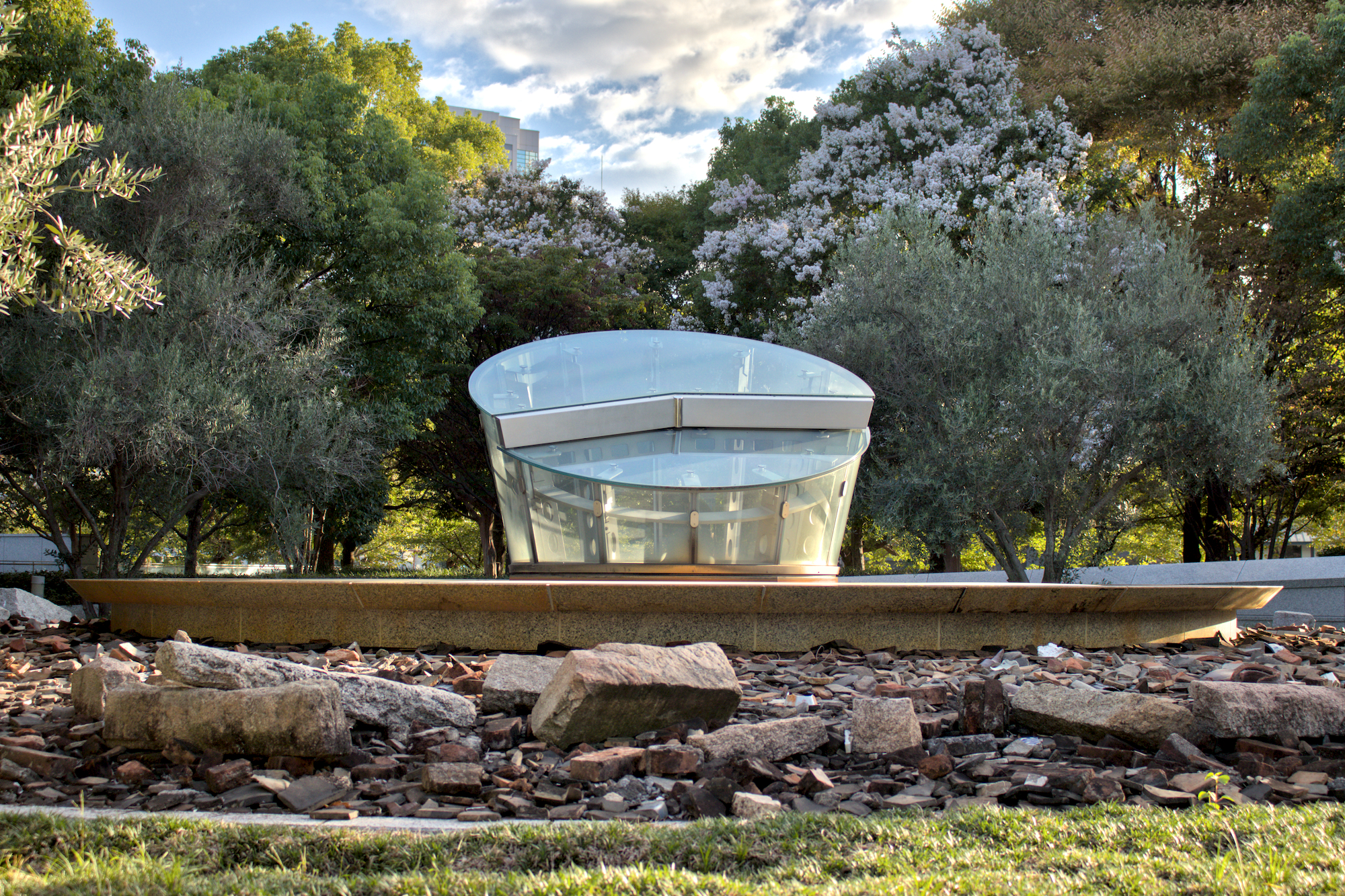
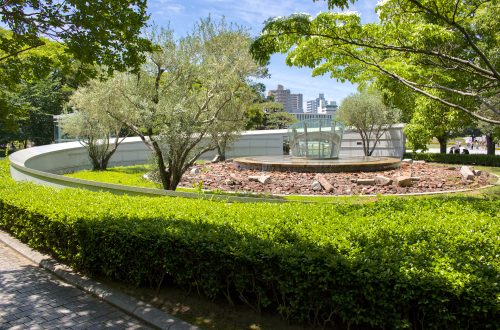
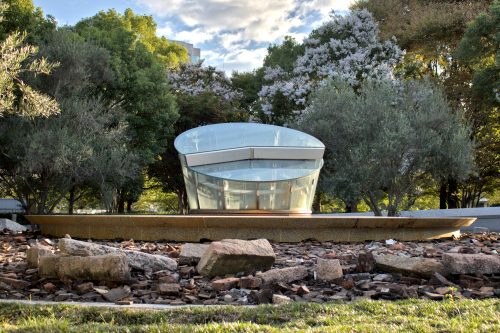
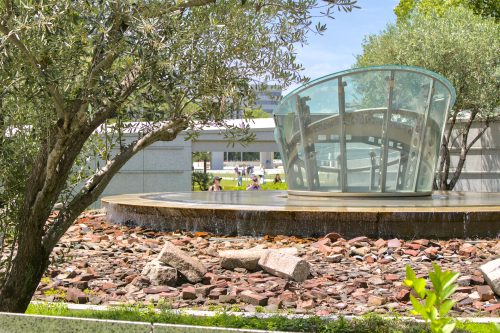
Most of Memorial Hall lies underground. On the surface is a grassy, rounded enclosure with a glass, clock-shaped monument showing 8:15 a.m. — the time the atomic bomb exploded above Hiroshima on August 6, 1945. Around the 8:15 Monument are scattered the remains of buildings leveled in the atomic blast that were unearthed during the hall’s construction. Lush olive trees straddle the walls and a steady flow of water glides out from the base of the clock across a stone table before falling onto the debris below. Wherever you see water in Memorial Hall, it is meant to be an offering to the bomb’s victims who, burned and dehydrated, desperately cried out for water in their final moments.
(Joy Photo / Michael Farrell)
Into the Earth and Backwards Through Time
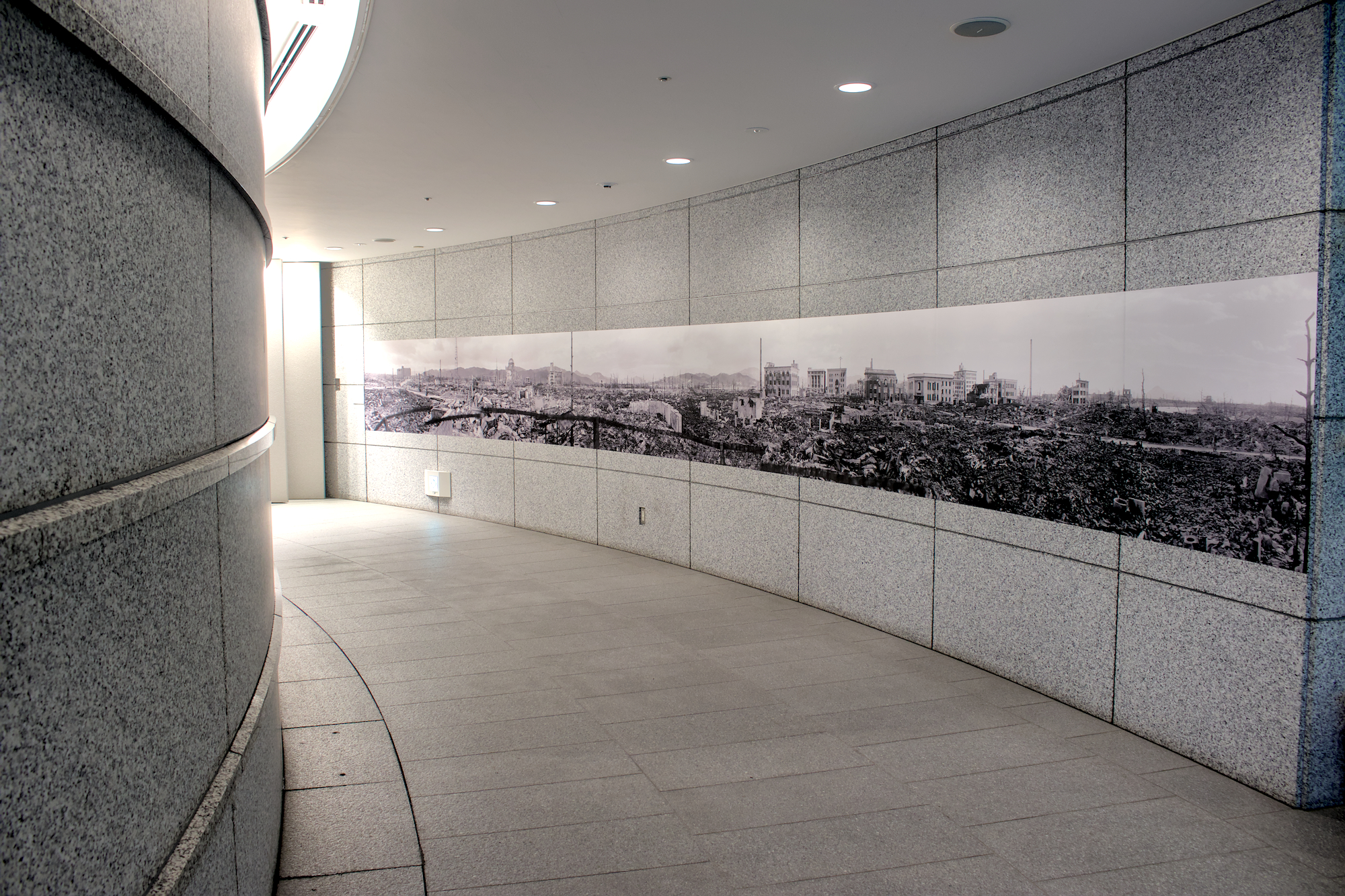
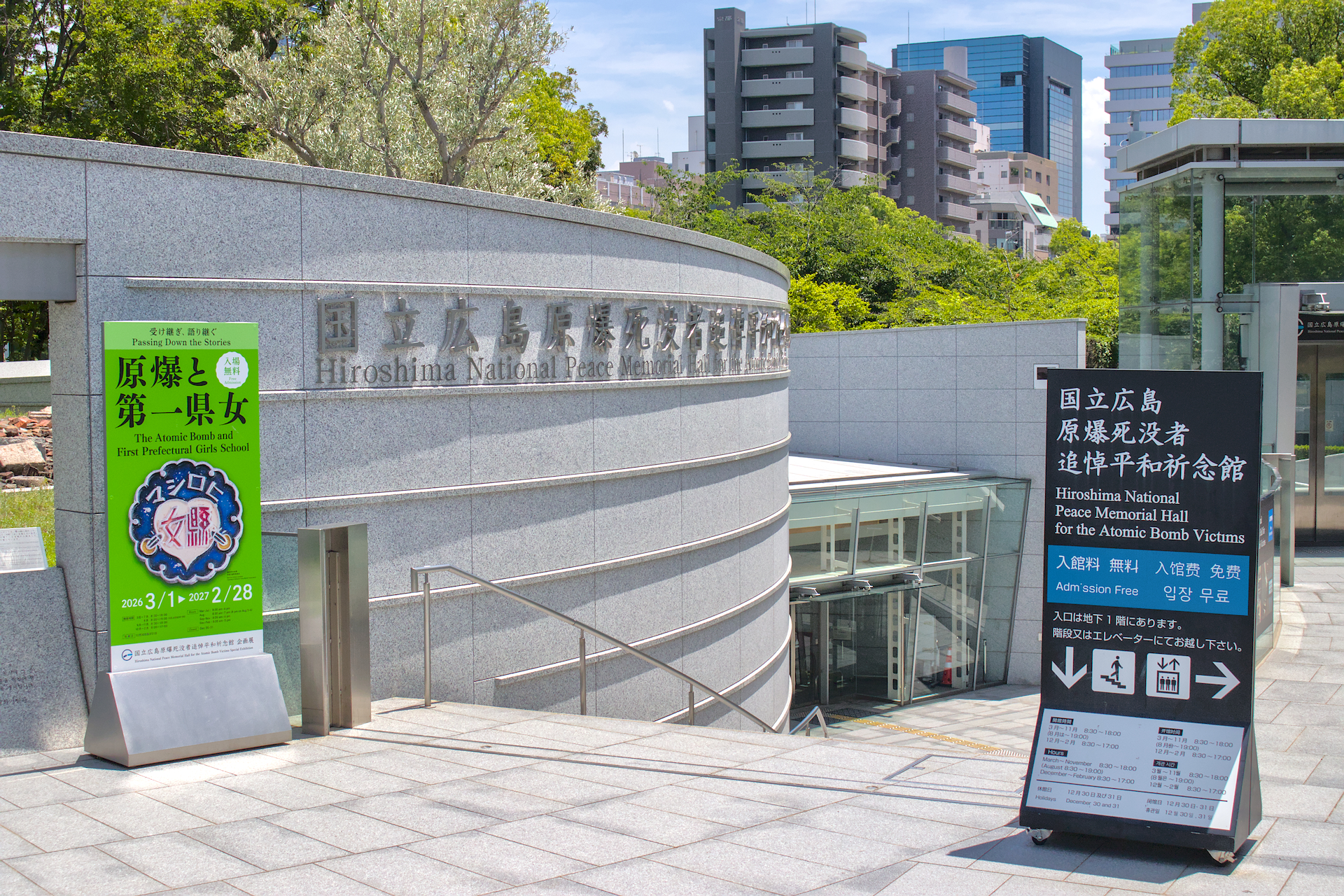
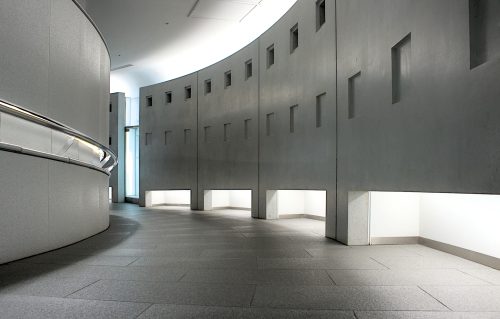
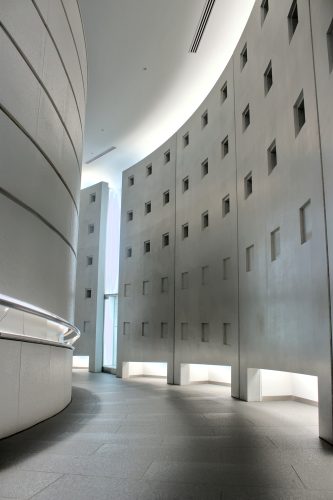
Stairs curve down counter-clockwise around the clock-monument to get to the main entrance. Admission is free. Once inside, the corridor continues its reverse-time spiral into the main hall. Bits of soil excavated from the soil layer at the time of the bombing are mixed into the wall materials as visitors descend.
As you walk down, six panels on the wall explain the events of the war leading up to August 6, from Japan’s aggressions in the Pacific to the dropping of the bomb and its effects. The panels culminate in the following statement of grief and responsibility for starting the war:
“We hereby mourn those who perished in the atomic bombing. At the same time, we recall with great sorrow the many lives sacrificed to [Japan’s] mistaken national policy. To ensure that no such tragedies are ever repeated, we pledge to convey the truth of these events throughout Japan and around the world…”
(Joy Photo / Michael Farrell)
The Hall of Remembrance
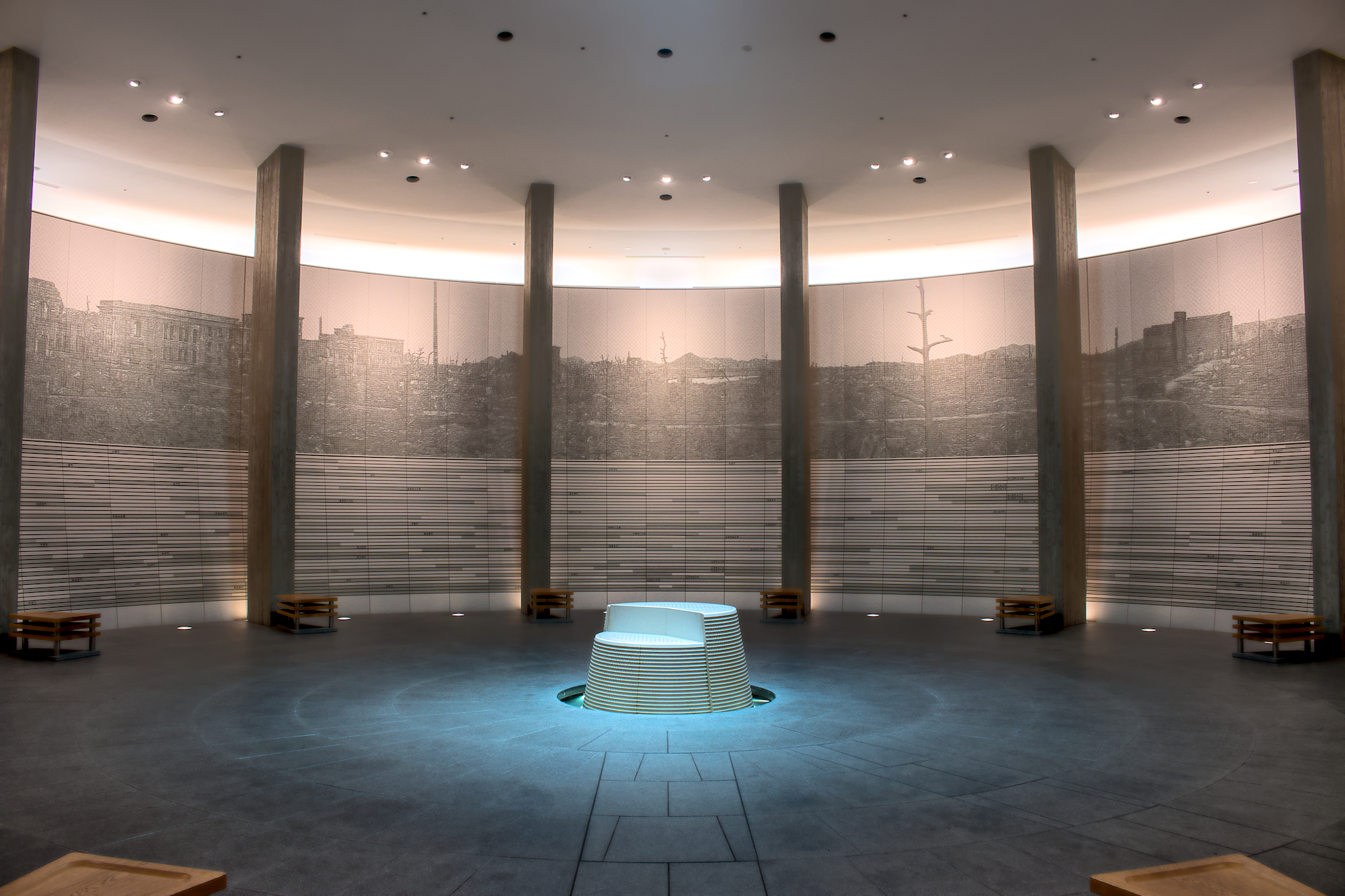
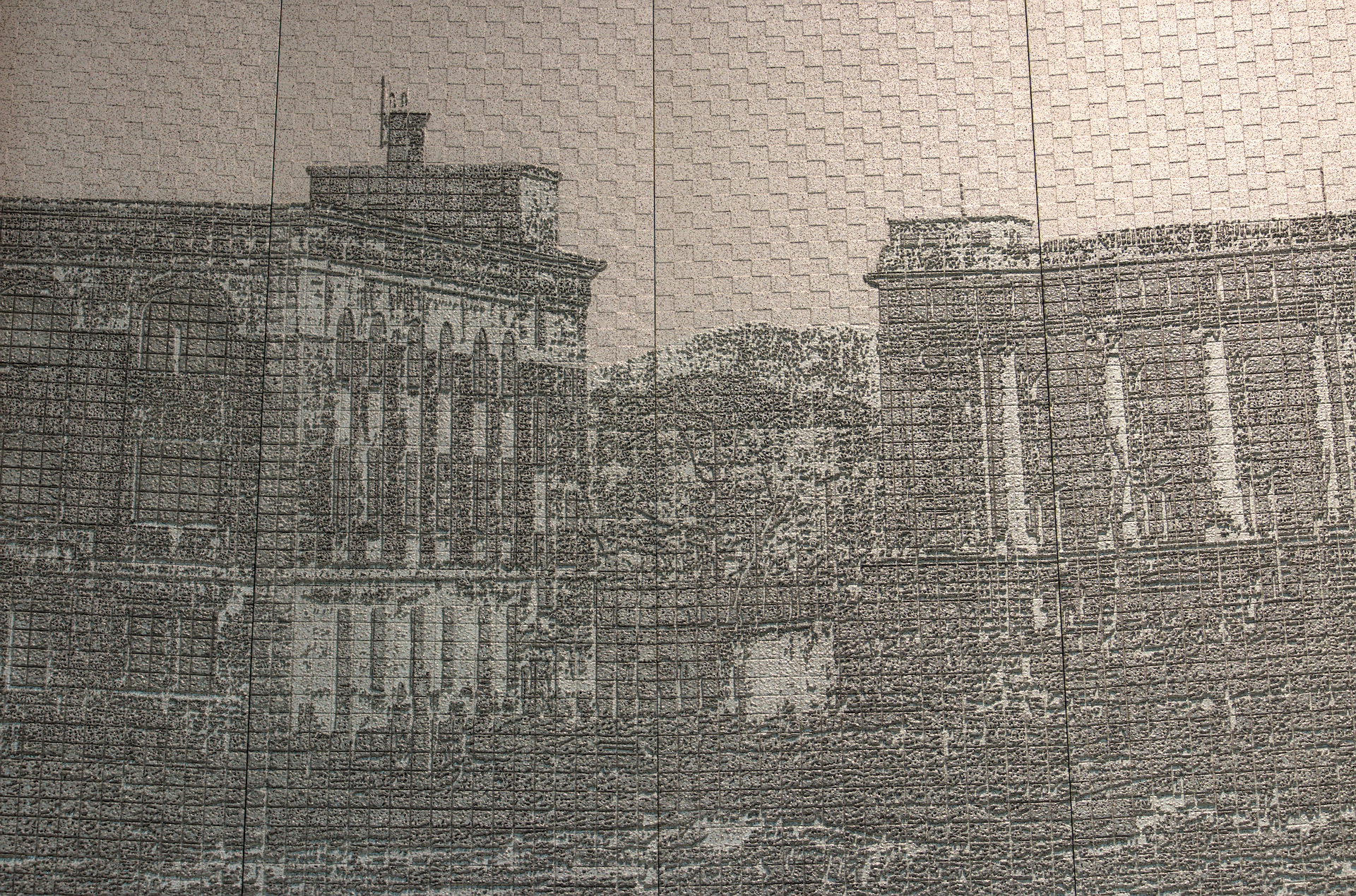
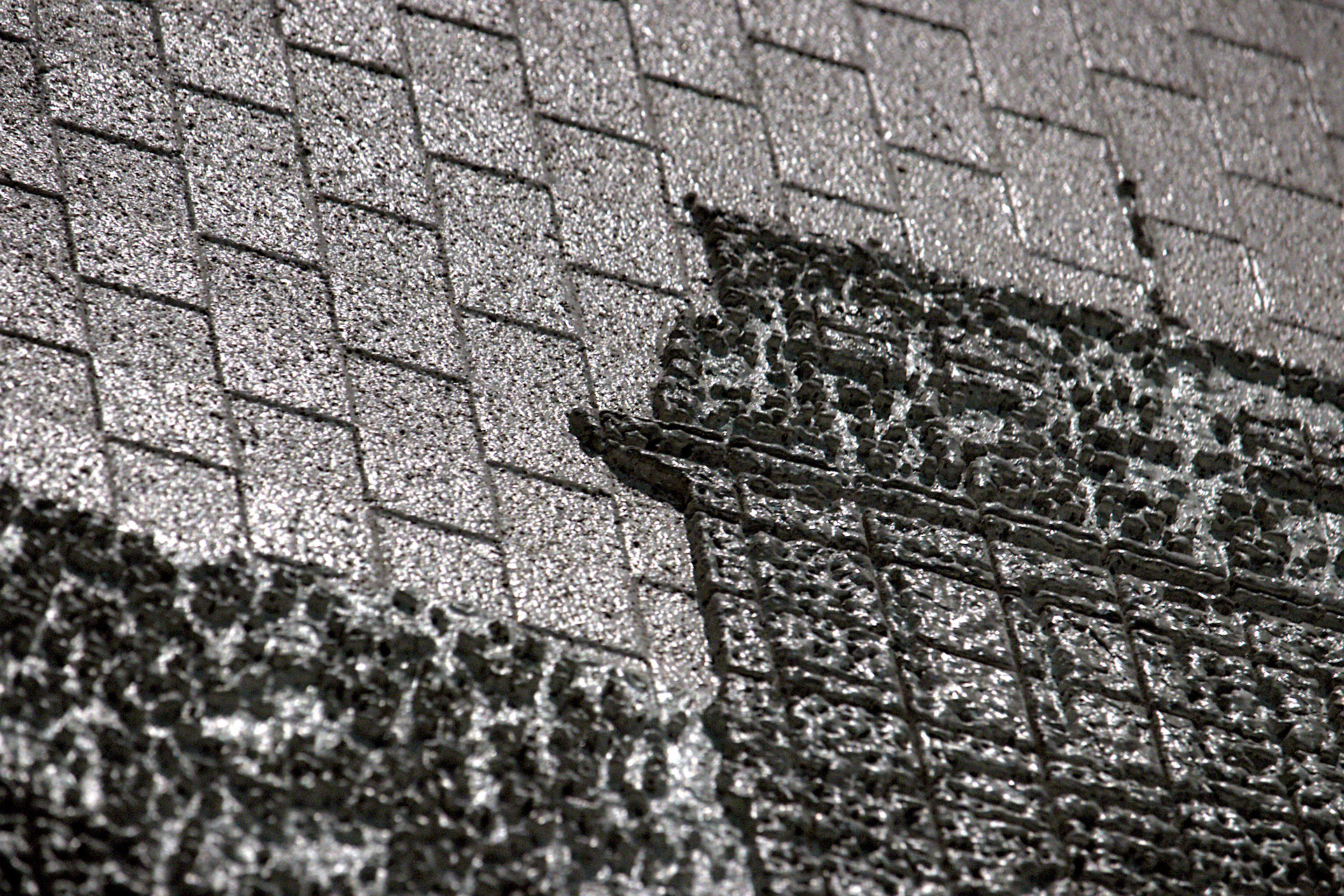
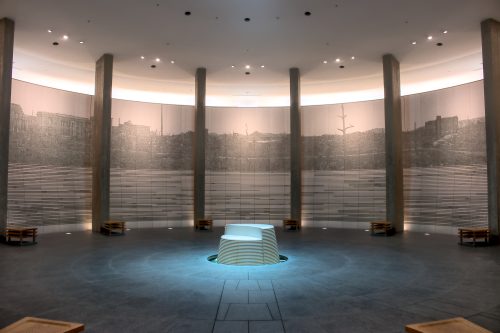
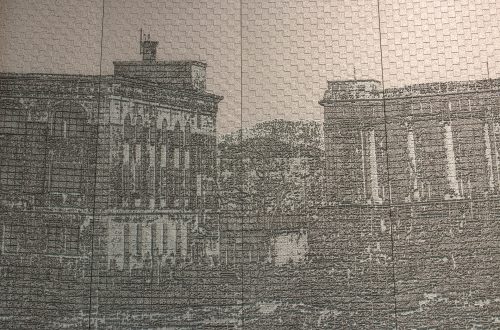
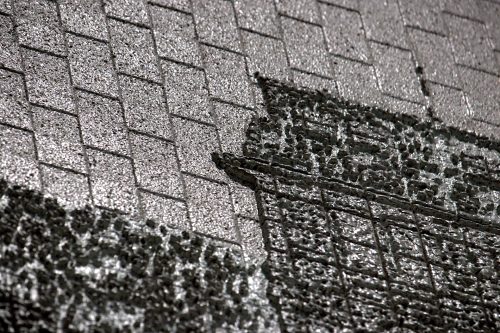
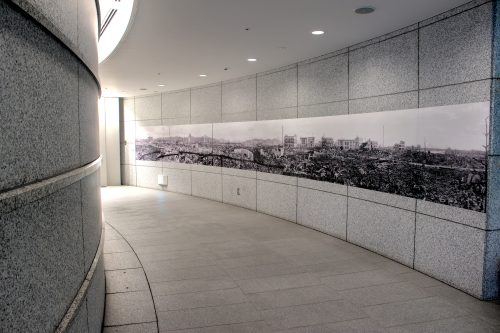
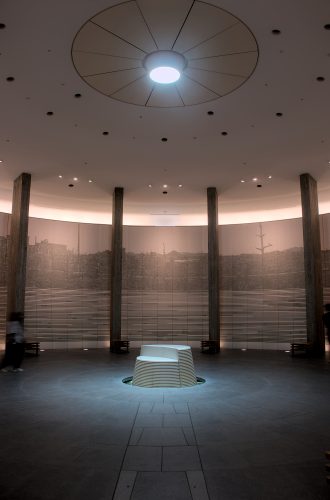
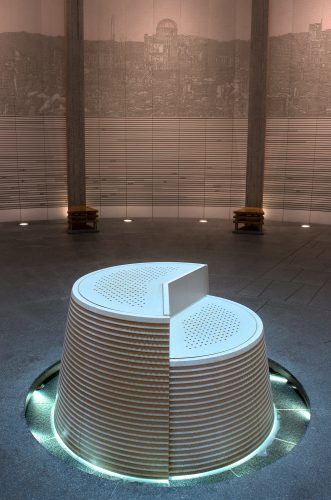
The circular Hall of Remembrance lies directly under the 8:15 Monument. The stone room displays a 360-degree mosaic image of what the city looked like after the bomb. The image, based on a photo taken from the hypocenter by the US military in 1945, is made out of around 140,000 richly textured tiles. Each tile represents one of the people who died by the end of the year. Under the image are the names of Hiroshima’s former neighborhoods listed according to where they lie in the image and their distance from the hypocenter.
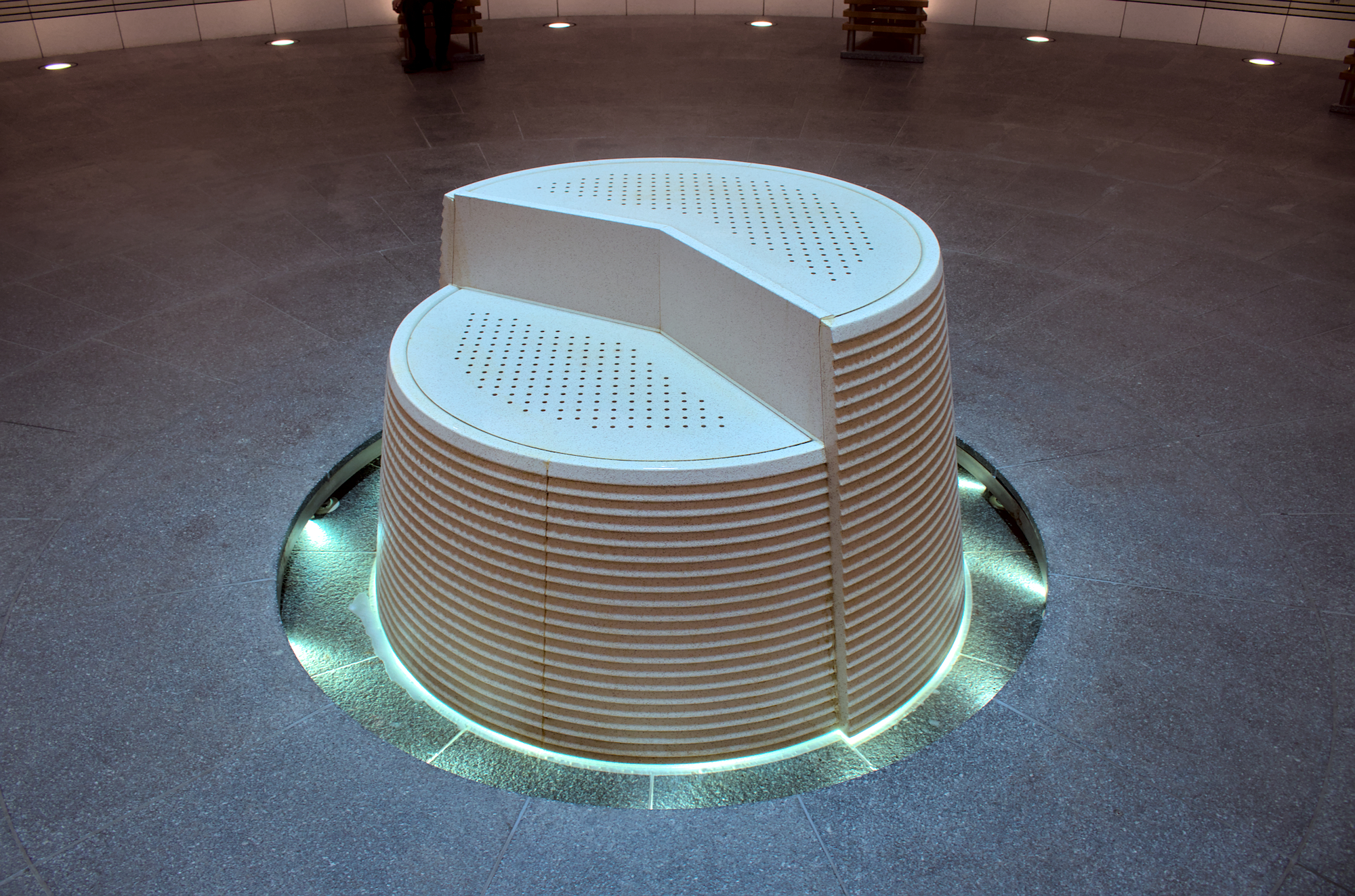
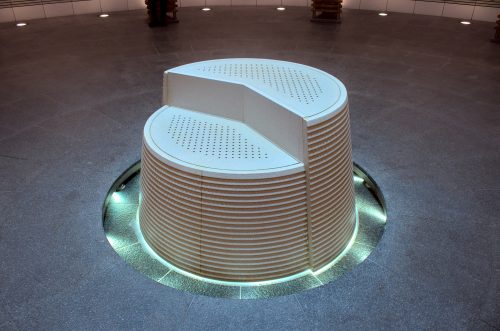
In the center of the hall sits a smaller, stone sculpture of the 8:15 Monument. A thin veneer of water rises out of holes in the top of the clock and falls down the sides into a softly illuminated moat. The surface monument doubles as a skylight and shines down onto its smaller cousin below. However, while the surface monument is quite large, the one below is about the size of a chair. At the time of the tragedy, despite pleas for water, many did not give it, mistakenly believing the water would kill the victims faster.
This is the context in which visitors are invited to mourn, reflect, and come to know the victims personally.
Faces of the Dead
Look around the corner from the Hall of Remembrance to view the names and photos of the victims in the Victims’ Names Database. A wall of 12 screens displays the names and photos of atomic bomb victims on constant rotation. At any one time, 108 faces of people from all walks of life shine from the screens.
Those doing research or who are merely curious can search for specific names on the six adjacent touchscreen terminals. You can type the English spelling of almost any common Japanese family or given name into the terminal to find multiple listings of victims by that name.
(Joy Photo / Michael Farrell)
Voices of the Victims
Go back to the first floor to visit the library where visitors can peruse over 140,000 survivor memoirs and obituaries. Some books are printed in English; however, most of the English language content is available at touch-screen stations equipped with headphones. The space is calm and the chairs are padded and comfortable.
Though the Japanese content is still being translated, nine paper volumes of hibakushya (atomic bomb survivors) memoirs are currently available in 24 languages. Additionally, video testimonials from both Hiroshima and Nagasaki survivors are available in 20 languages.
To delve deeper into the stories of the events and the people affected by the atomic bomb, there is a conference room that hosts volunteer speakers for events like live readings of survivor memoirs and poetry. Live readings in English are scheduled from 2:30 to 3:10 p.m on the second Sunday and fourth Friday of the month plus from 11:00 to 11:40 a.m. on the third Tuesday of the month. Throughout the year, video recordings of survivor testimonies are also available for viewing.
Special Exhibits
Across from the library is the Special Exhibition Area where changing exhibits explore the atomic bombing from different perspectives. The 2026 exhibit titled “Passing Down the Stories: The Atomic Bomb and First Prefectural Girls School,” tells the stories of the school’s 301 victims including 223 7th-graders.
The exhibit includes artifacts from the victims such as a pin with the school crest and a photo of the tattered school uniform the pin was worn with. A documentary film about the victims plays on three screens with stories from survivors and family members who witnessed the students’ final moments.
In front of the library entrance, the charred remains of a deceased schoolgirl’s notebook sits on display.
Construction and Design
Memorial Hall is one of the newer structures in Peace Memorial Park. It was established by the Japanese national government to keep a record of the victims, educate the world, preserve the stories of the survivors, and pray for peace. Construction began in 1999 under Tange Associates, the firm founded by Peace Memorial Park’s original architect. Completed in 2004, Memorial Hall was one of Tange’s last projects before he died the next year at the age of 91. Tange is widely regarded as one of the greatest architects of the 20th century, and you can see his artistic genius in various aspects of the design.
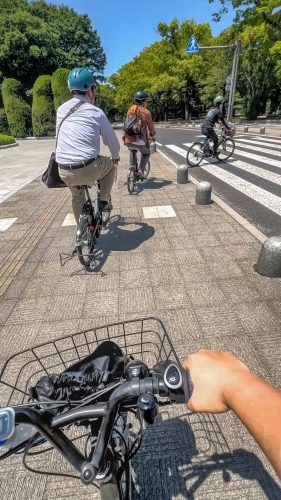
A Sokoiko tour group sets out for a tour. (Joy Photo / Hiroshima Lunch-san)
Gain a Wider Perspective
After you emerge from the depths of Memorial Hall, we recommend some lighter perspectives on atomic bomb history.
Book a cycling tour with Sokoiko. Their guides help visitors understand the scope of the atomic bombing by taking visitors outside the park to monuments and related sites deeper in the city. Cycling gives visitors a chance to experience the vibrant, modern Hiroshima while providing time to relax and reflect along the journey. Sokoiko tours bring visitors through the darkness to a hopeful resolution with sites like trees that grew despite scientists saying the city would be barren for decades.
After cycling around the city, climb to the top of Orizuru Tower to bask in the peace of the golden sunset as it settles over the park. On the 14th floor, visitors can sip an original cocktail or smoothie while relaxing at the open-air observation deck’s rooftop bar and cafe. On especially clear days in winter and autumn, visitors can see the shape of Miyajima’s floating torii gate in the hazy distance.
Getting There
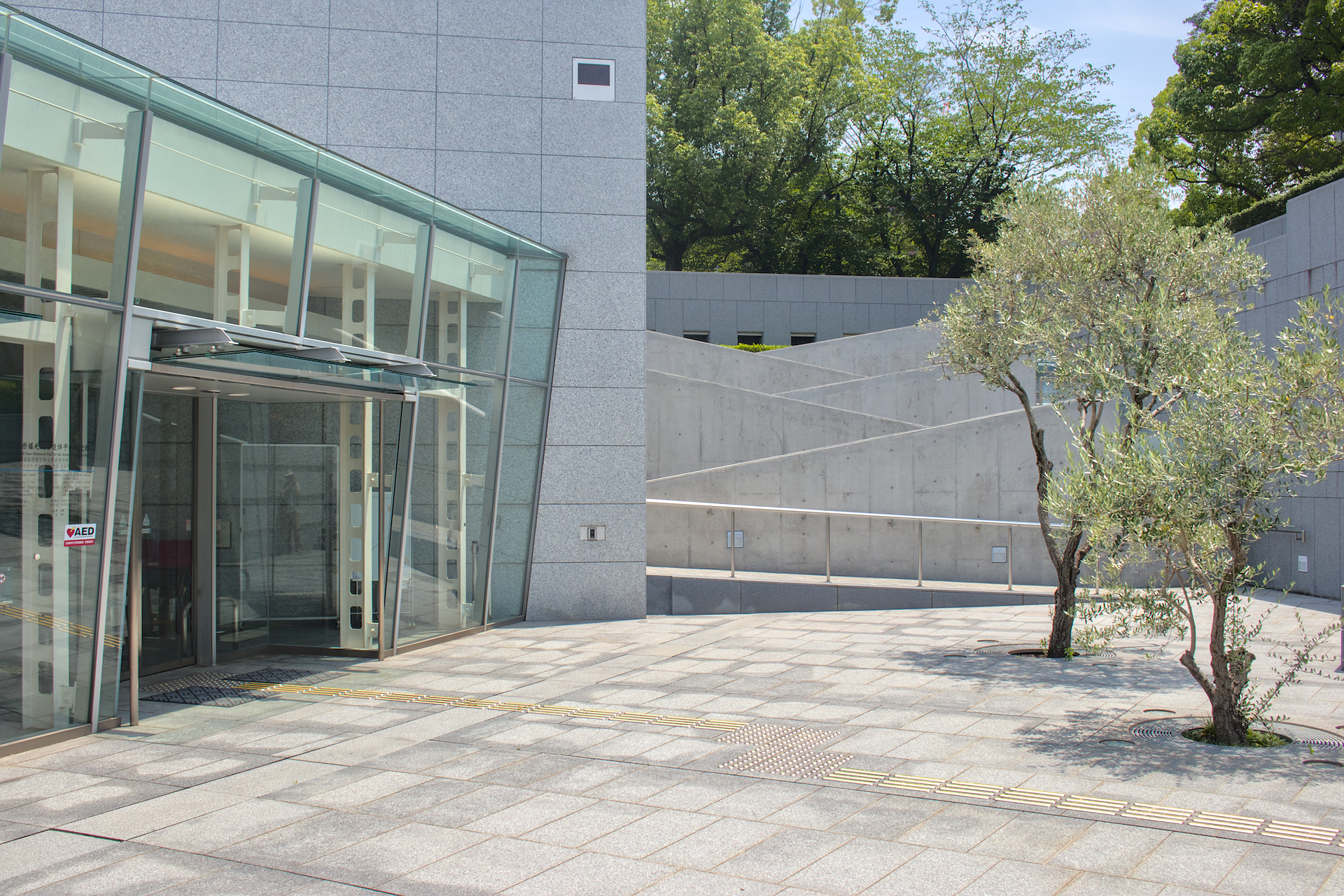
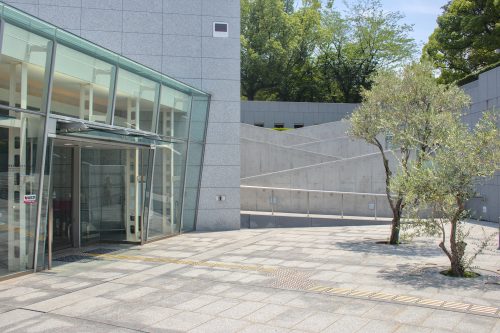
Memorial Hall lies on the eastern end of the plaza around the Cenotaph for the Victims of the Atomic Bomb. Visitors exploring from the southern end of the park, following Kenzo Tange’s original park design, can turn right at the Cenotaph and keep walking straight to find the hall. Those arriving from the Atomic Bomb Dome in the north need to cross the Motoyasu Bridge and walk south along the river. The path splits around the underground hall which is largely hidden by trees. Either path will get you to the hall. Just follow the signs.
Learn More
To learn more about the atomic bomb victims, Memorial Hall’s website has a virtual tour of the building. Additionally, their “Global Network” online database contains memoirs, video testimonials, and audio recordings from the victims of both Hiroshima and Nagasaki. It also has a Q&A section about the impact of radiation on the human body.


- Open
- March - July: 8:30 - 18:00
August: 8:30 - 19:00 (until 20:00 on August 5th and 6th)
September - November: 8:30 - 18:00
December - February: 8:30 - 17:00
[December-February] 8:30 a.m. - 5:00 p.m.
- Closed
- December 30th-31st