Buy
Okashi Honpo: 2,000 Japanese Snacks & Fun Treats in Hiroshima

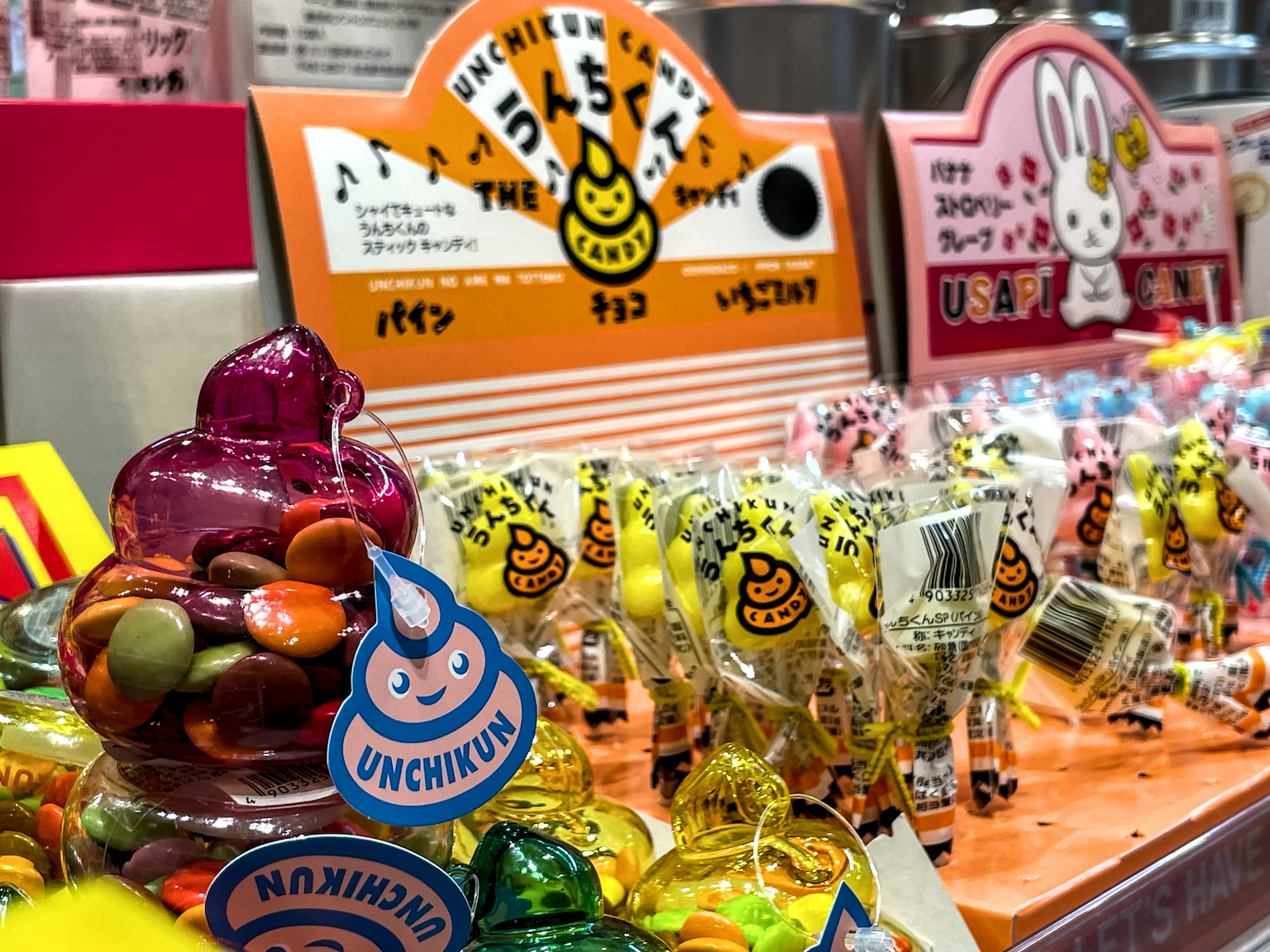
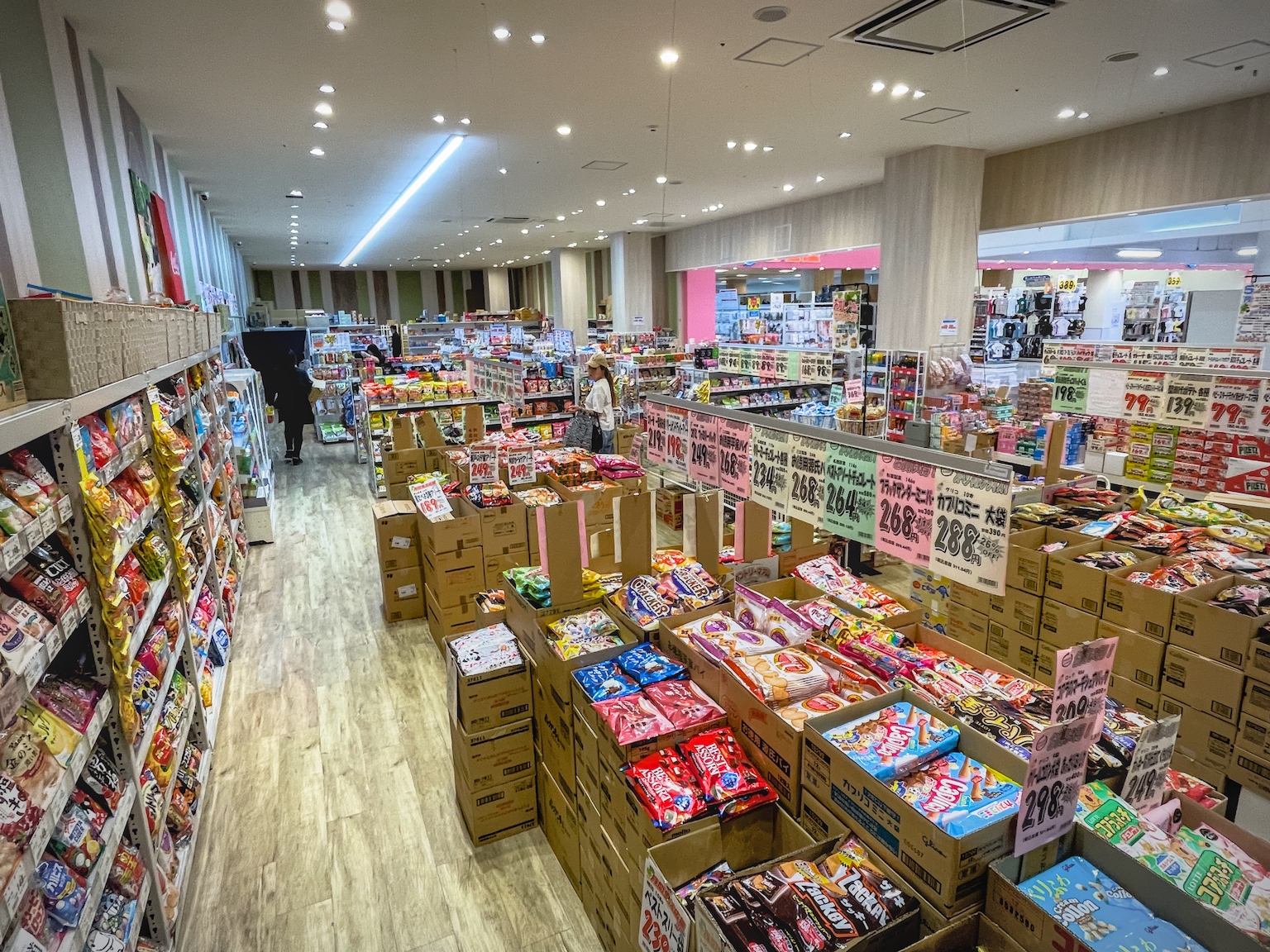
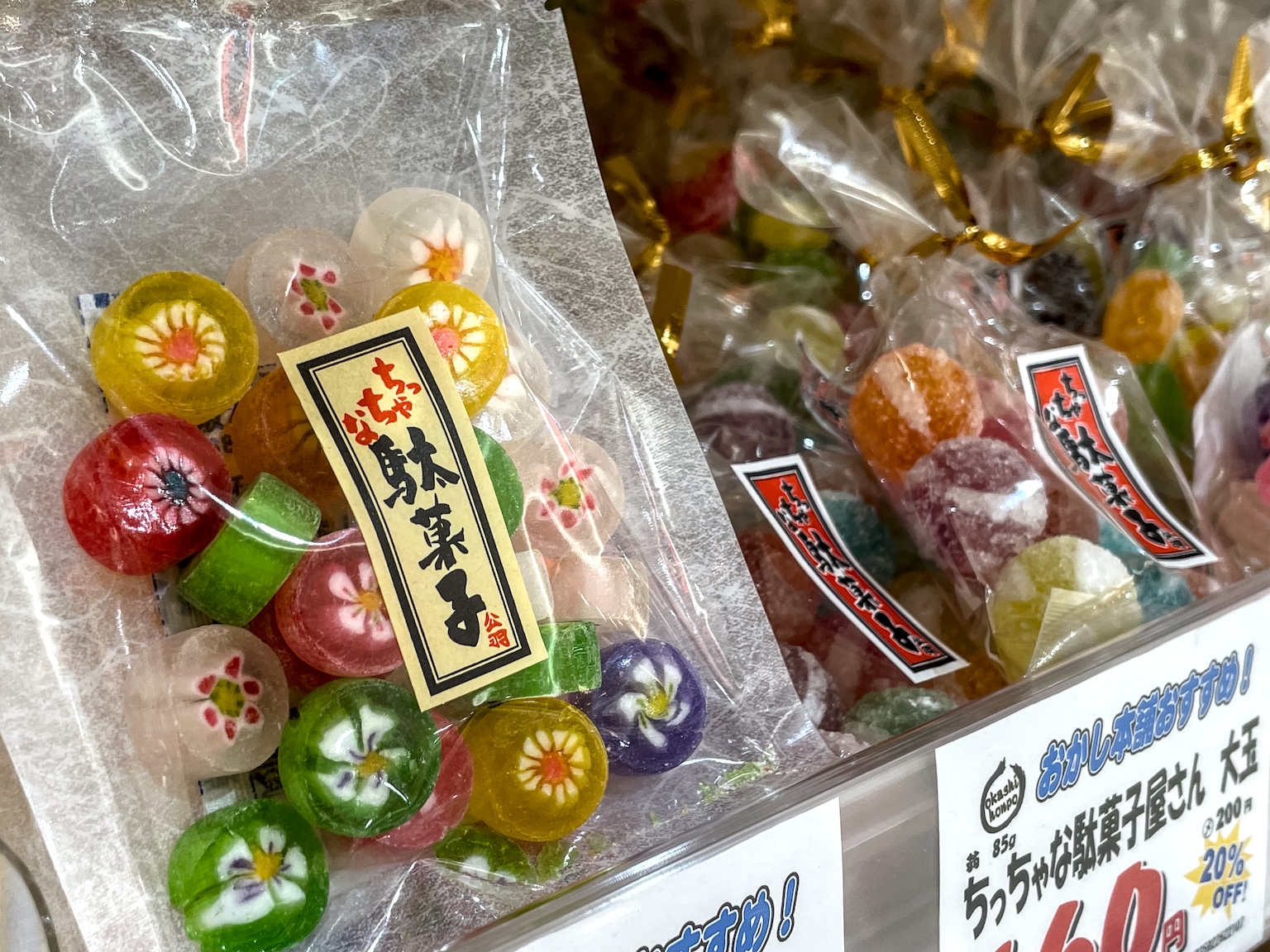
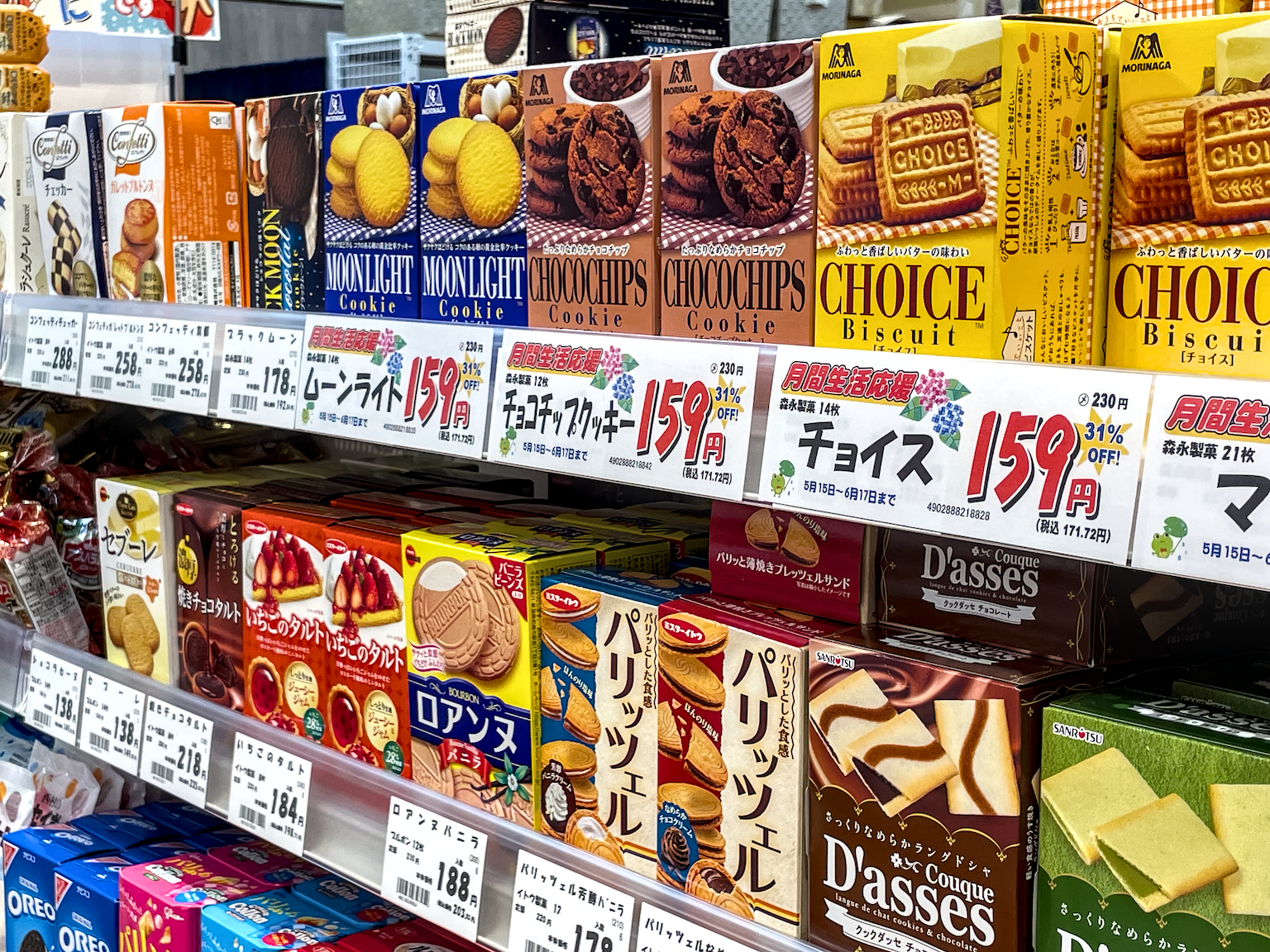
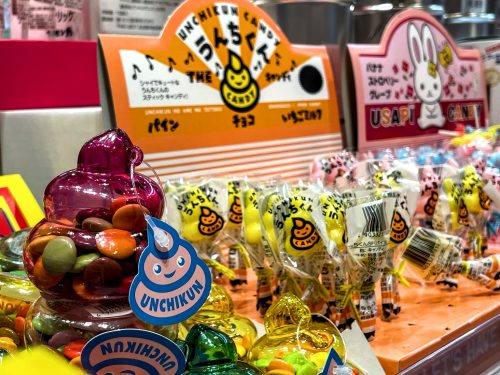
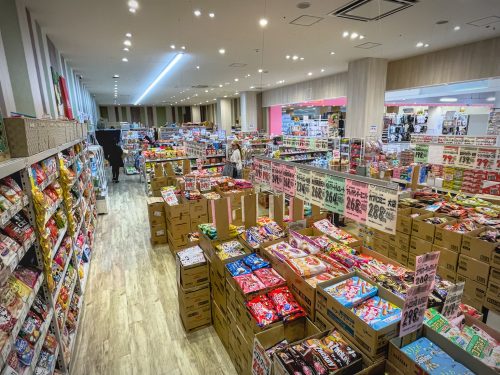
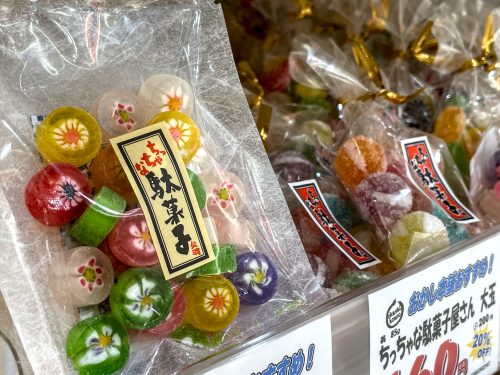
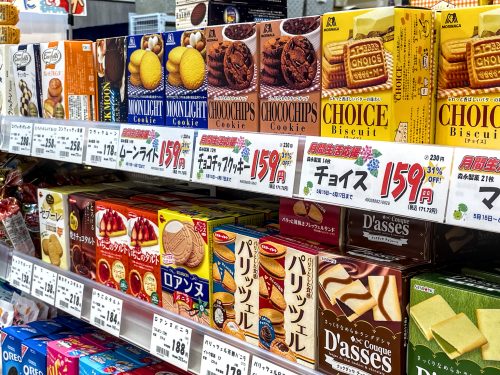
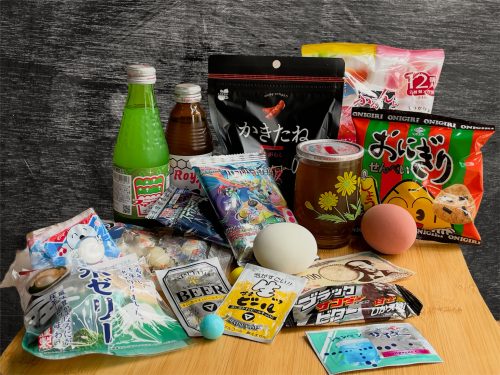
In Hiroshima, Okashi Honpo provides an extensive collection of 2,000 different Japanese snacks, including regional specialties, nostalgic dagashi, and seasonal wagashi. The shop combines beloved flavors with quirky, limited-edition items, appealing to both local shoppers and tourists seeking authentic treats at affordable prices.
From ¥10 gumball machines to ¥17 dried codfish snacks wrapped like 100 million yen bills, Okashi Honpo’s goal is to create a fun and affordable experience.
Seasonally Updated Selection
There is always something new to discover. One visit turned up three varieties of water jelly made with water from Mt. Fuji for ¥178 a piece — cheaper than a Snickers bar in the US. The crystal clear, mildly sweet and subtly flavored summer treat at Okashi Honpo came with three different toppings: brown sugar, matcha, or Amaou Strawberry. Another time we found kurobou — a traditional sweet from Kumamoto Prefecture — on sale: seven sticks for ¥108. Kurobou look like thick biscotti, but they are chewy and flavored with brown sugar. We also found luxury upgrades to Kinoko no Yama and Takenoko no Sato. Normally, these common mushroom and bamboo-shoot shaped treats are dipped in milk chocolate, but Okashi Honpo’s ones were limited editions featuring Japan’s most famous matcha producers: Uji Matcha and Nishio Matcha.
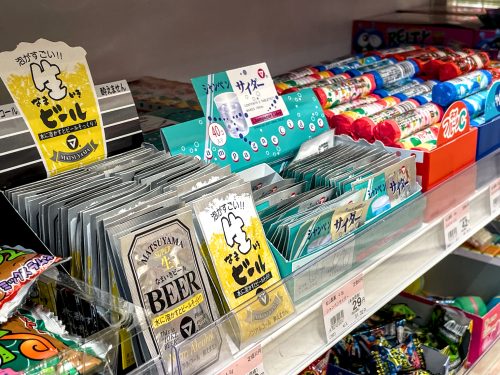
Pouches of non-alcoholic “adult” beverages for kids on the shelf at Okashi Honpo Fuji Grand Hiroshima Store (Joy Photo/Michael Farrell)
Hard to Find Treats
The joys don’t end there. While wandering the aisles, discover brands and flavors rarely seen outside Japan, including quirky sweets like amazake-flavored hard candies and craft versions of classic standbys like yuzu-chili-flavored kaki-no-tane rice crackers.
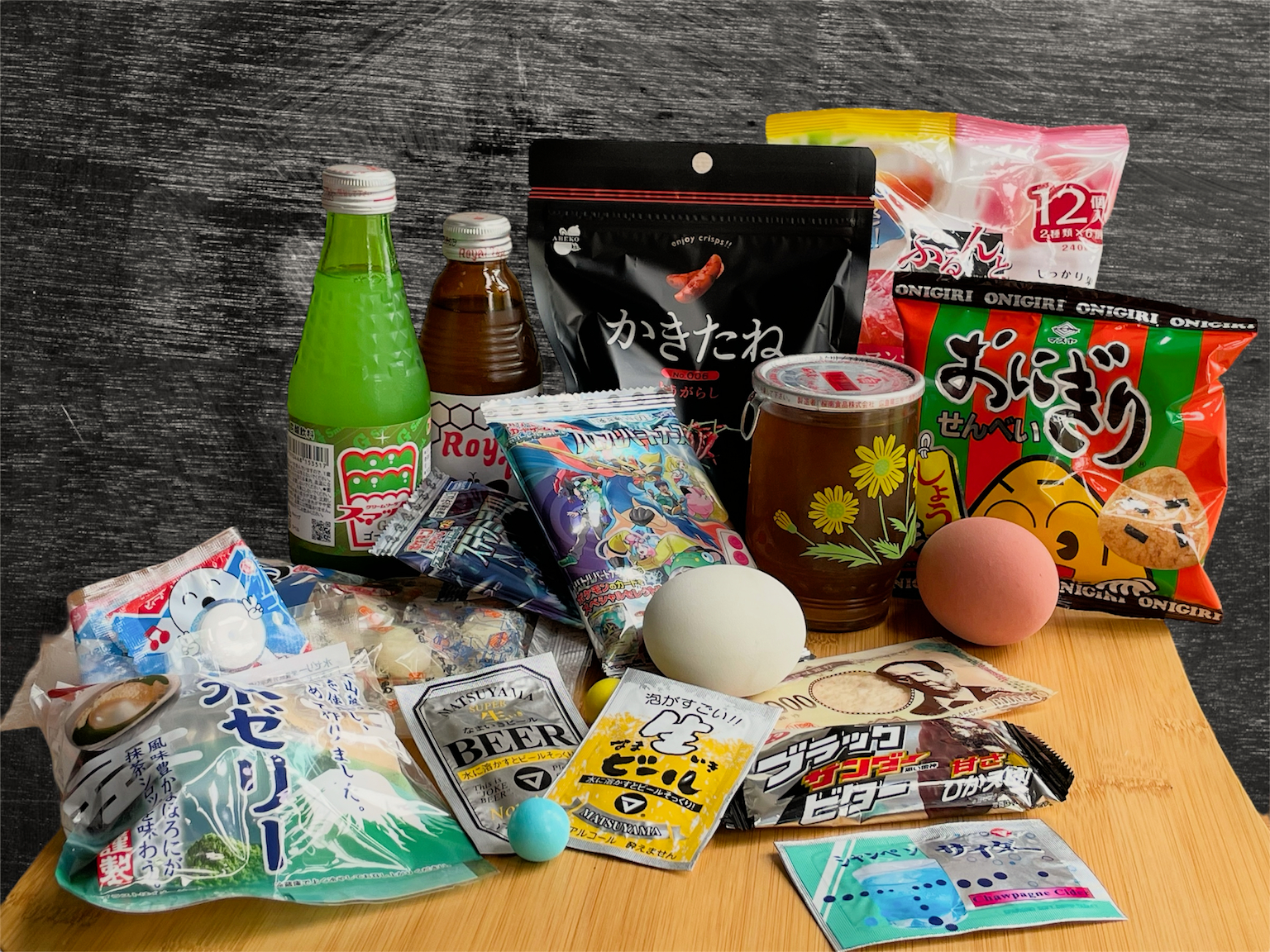
Just ¥28 gets you a pouch of instant “joke beer.” Matsuyama Super Nama Beer comes in a small pouch reminiscent of a can of Asahi. Inside are two tablets that you drop into 120 ml of water. Like Alka-Seltzer, the tablets dissolve and fizz, but unlike the classic American antacid, Matsuyama Beer’s tablets create a golden, lemony, cider-like drink with a foamy head that looks and moves just like a beer poured fresh from the tap.
Hit Snacks in Japan
According to Tomoka Murakami, the manager, Black Thunder is one of the hottest items with the locals. It’s a dense, dark chocolate bar with a unique crunch thanks to cookie chunks and puffed rice. The 30-year-old candy bar is popular enough in Japan to have countless spin-off products like ice cream bars, donuts, and cakes. There is even Black Thunder tempura and a branded train.
If you want to treat your kids the way Japanese parents do, consider buying a bag of Purunto, a typically vegan-friendly, fruit-flavored jelly made from the konnyaku plant instead of animal gelatin, though limited flavors such as Custard Pudding may contain dairy. Common flavors are mango, apple, peach and muscat. Japanese parents usually try to pair sweet with salty snacks, and one parent-approved option here is Onigiri Senbei. These onigiri-shaped, sweet soy sauce glazed senbei often come with mini comic strips on the packaging. Sometimes, limited editions and tie-in campaign versions include stickers or mini-games on or under the wrapper.
Retro Showa Snacks
History buffs can sip on Hiroshima flavors from the 1970s with nostalgic soft drinks from Sakuranan, a beverage company based in nearby Mihara City. Sakuranan specializes in making Shōwa-era soft drinks. They use carefully selected local ingredients and the same manufacturing methods they used when they first opened in 1955. Okashi Honpo has both of their hallmark drinks: Smack Gold and Hiyashi Ame. Smack Gold is a Japanese-style cream soda that captures the drink’s traditional flavor, and Hiyashi Ame is a thick ginger drink sold in a variety of iconic, floral-patterned jars that you can reuse as glasses.
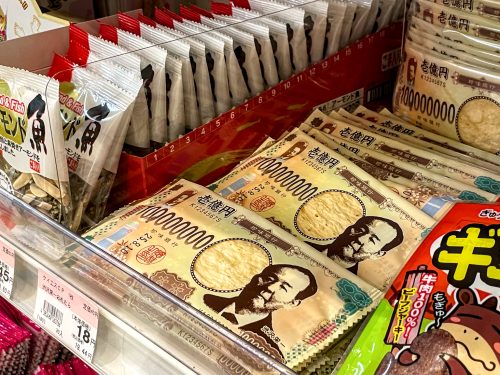
Something is fishy about this money at Okashi Honpo. It’s called Shibusawa Eichi Osatsu-tara. “Osatsu” means banknote.” However, “tara” is codfish. Thus, it’s a codfish banknote. This kid’s treat is named after the founder of the Tokyo Stock Exchange, Shibusawa Eichi. (Joy Photo/Michael Farrell)
Toys & Gags
And if you’re still not feeling like a kid again, head to the back. That is where you’ll find the most whimsical items: foam gliders, rubber eggs, otedama bean bags, and quirky candies that whistle, mimic adult products, or promise Pokémon cards and anime stickers.
Getting There
Okashi Honpo is nestled in the back corner on the second floor of FUJI GRAND Hiroshima, a shopping mall in eyeshot of Hiroshima Hilton. If coming from Hiroshima Station, leave by the South Exit and get on the number 50 bus on Platform 6. Ride the bus for about five minutes and get off at Takaramachi-kita. You’l pass FUJI GRAND just before the stop, so just backtrack on foot about a minute and you’ll be there.
More Fun Shops
Continue exploring the fun and whimsical at Country Cat, a store near Peace Memorial Park that curates cat-themed goods from around the world. Wander back down Hondori a little, cross the street and climb to the second floor to find Gatcha Kingdom, a whole shop of capsule toys.
Moment of Joy
Rediscovering the Magic of Childhood
Okashi Honpo interprets for adult consumers a time when corner stores were a wonderland of treats and toys that you could afford with pocket change. Westerners over 30 may fondly remember the neighborhood corner stores of the late 20th century. These were places where kids could wander in unsupervised and explore snacks, candies and toys at prices within their allowance range. Okashi Honpo packages this nostalgic joy from the Japanese cultural equivalent, dagashiya. Dagashiya are a style of shop that caters to children. However, instead of catering only to kids, Okashi Honpo takes the whimsy and affordability of a dagashiya and applies it to everyone.
Written by

Michael Farrell is a reporter and editor who began traveling the world in 2010. His publishing career started in New England, first at the Gloucester Daily Times and later as a copy editor with boutiq…More


- Open
- 10:00
- Closed
- 20:00
- Payment
- Cash
- Price Range
- ¥10 to ¥2,000