Experience
Atomic Bomb Dome: From Commercial Center to Peace Icon
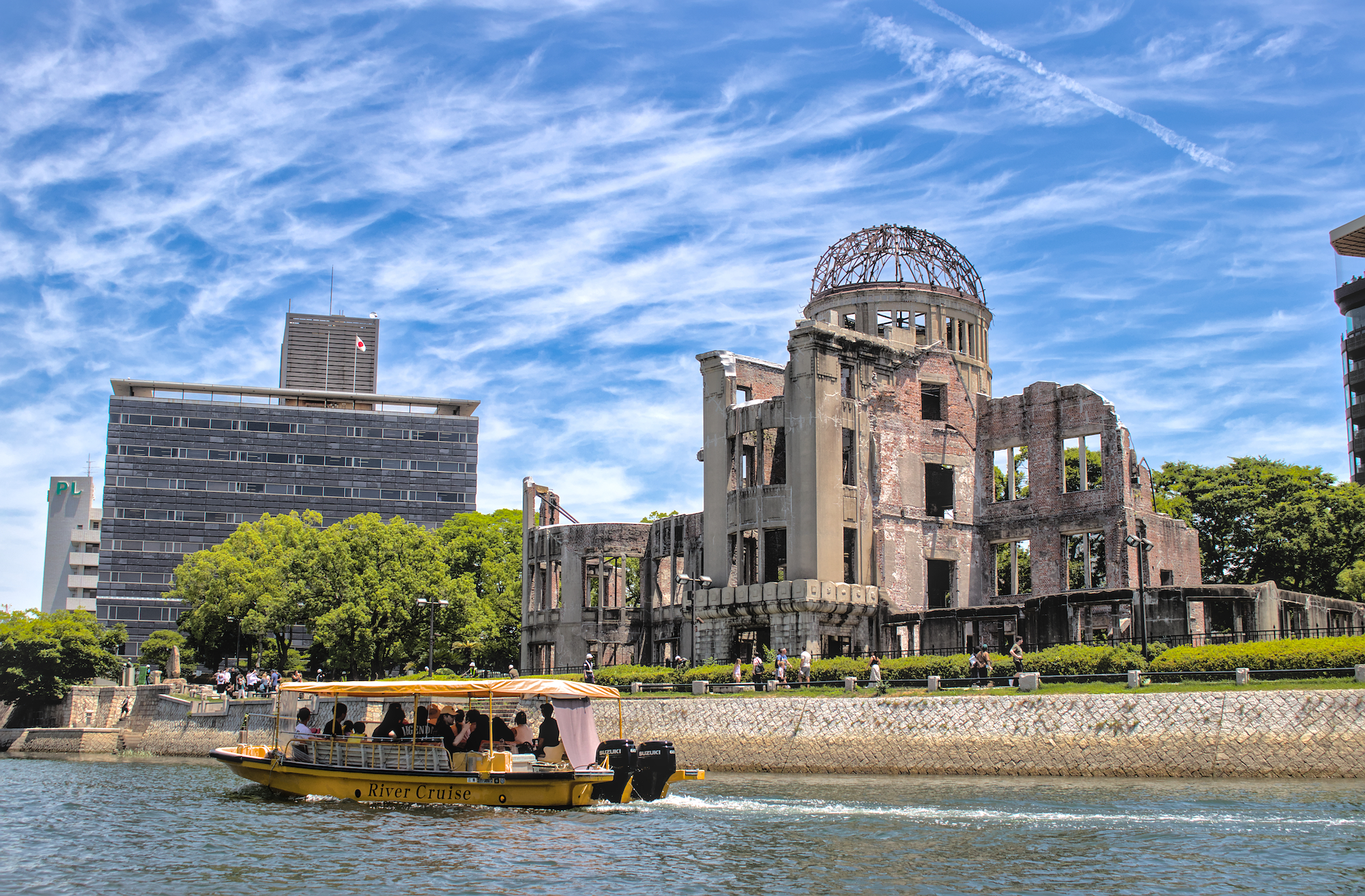
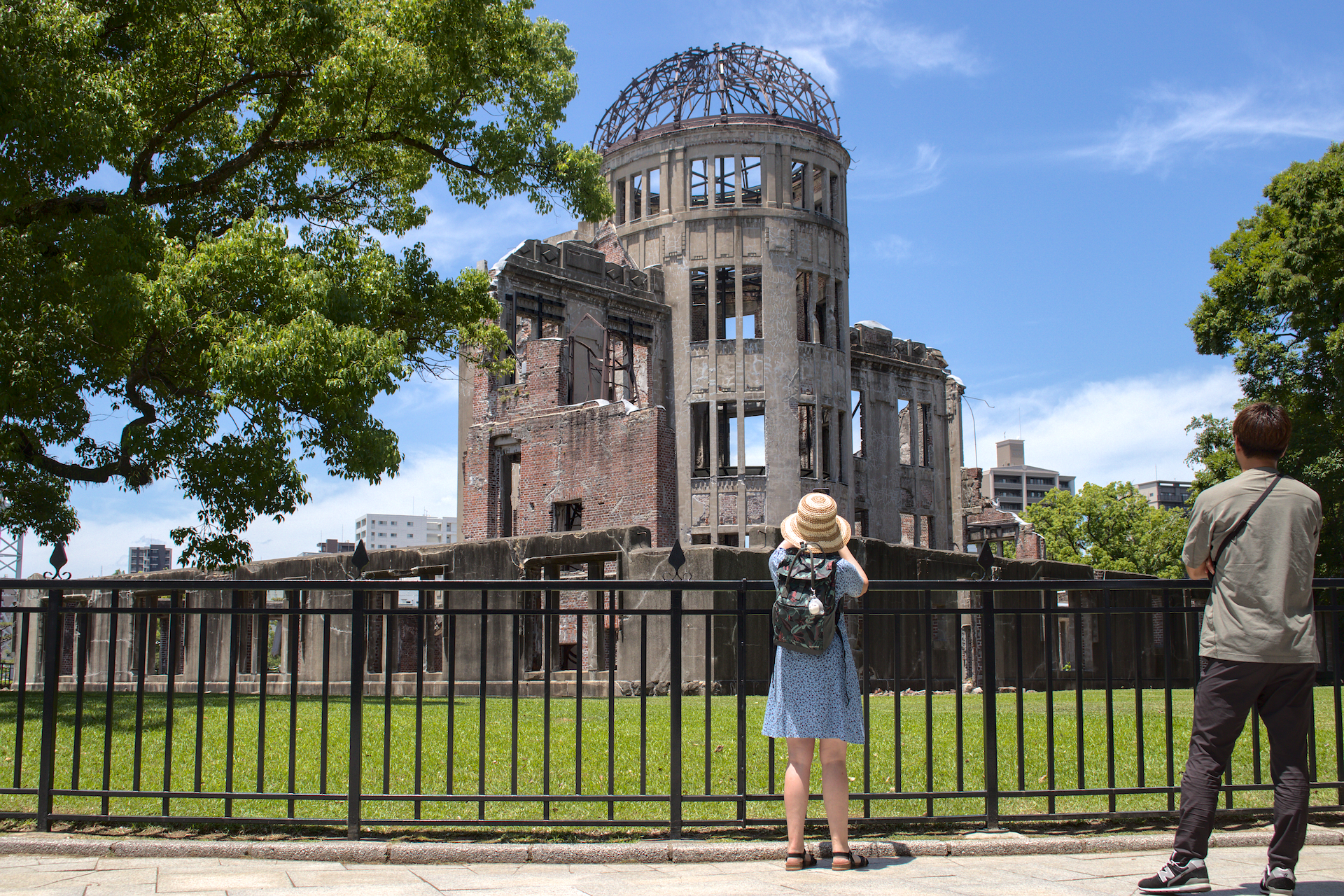
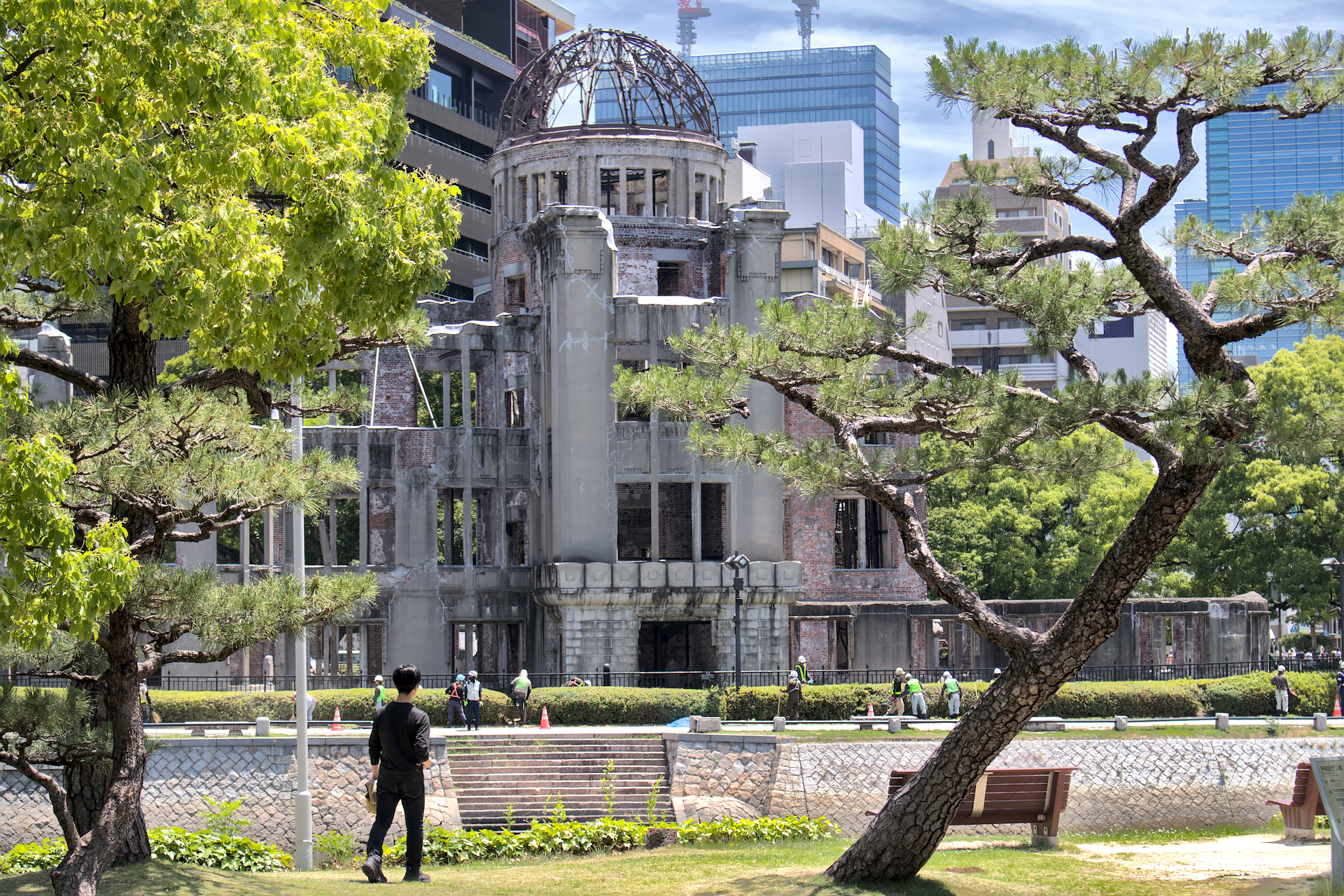
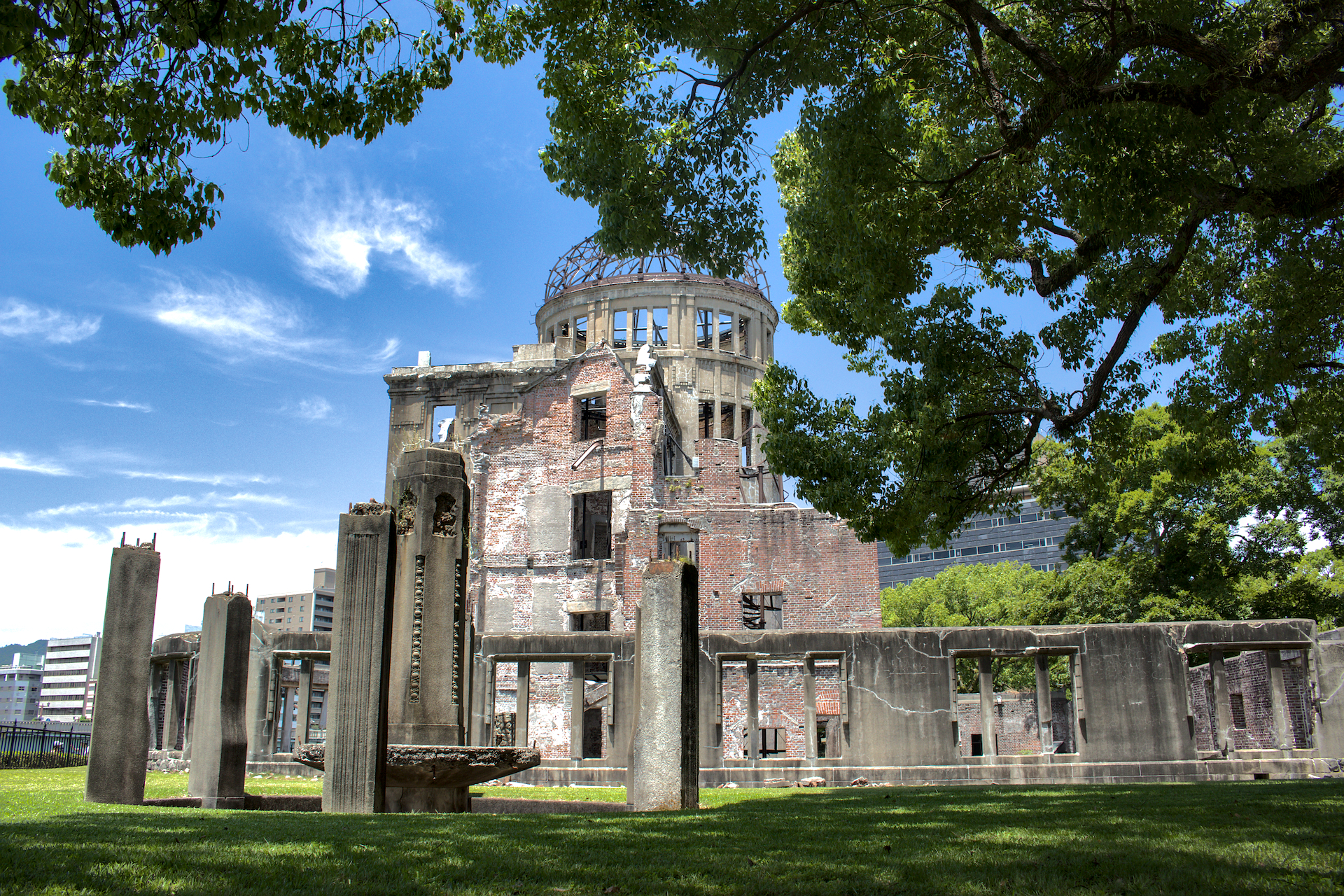
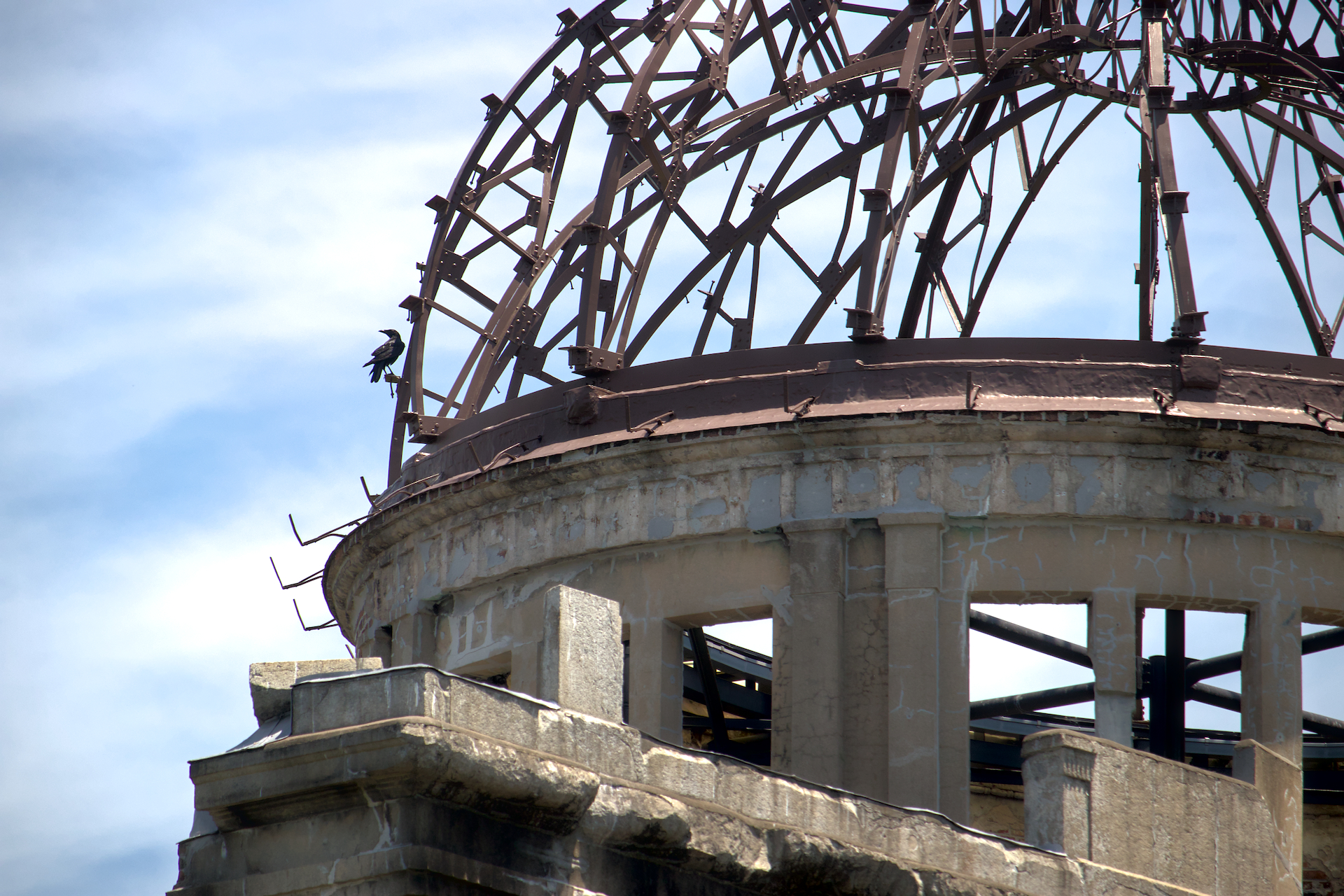
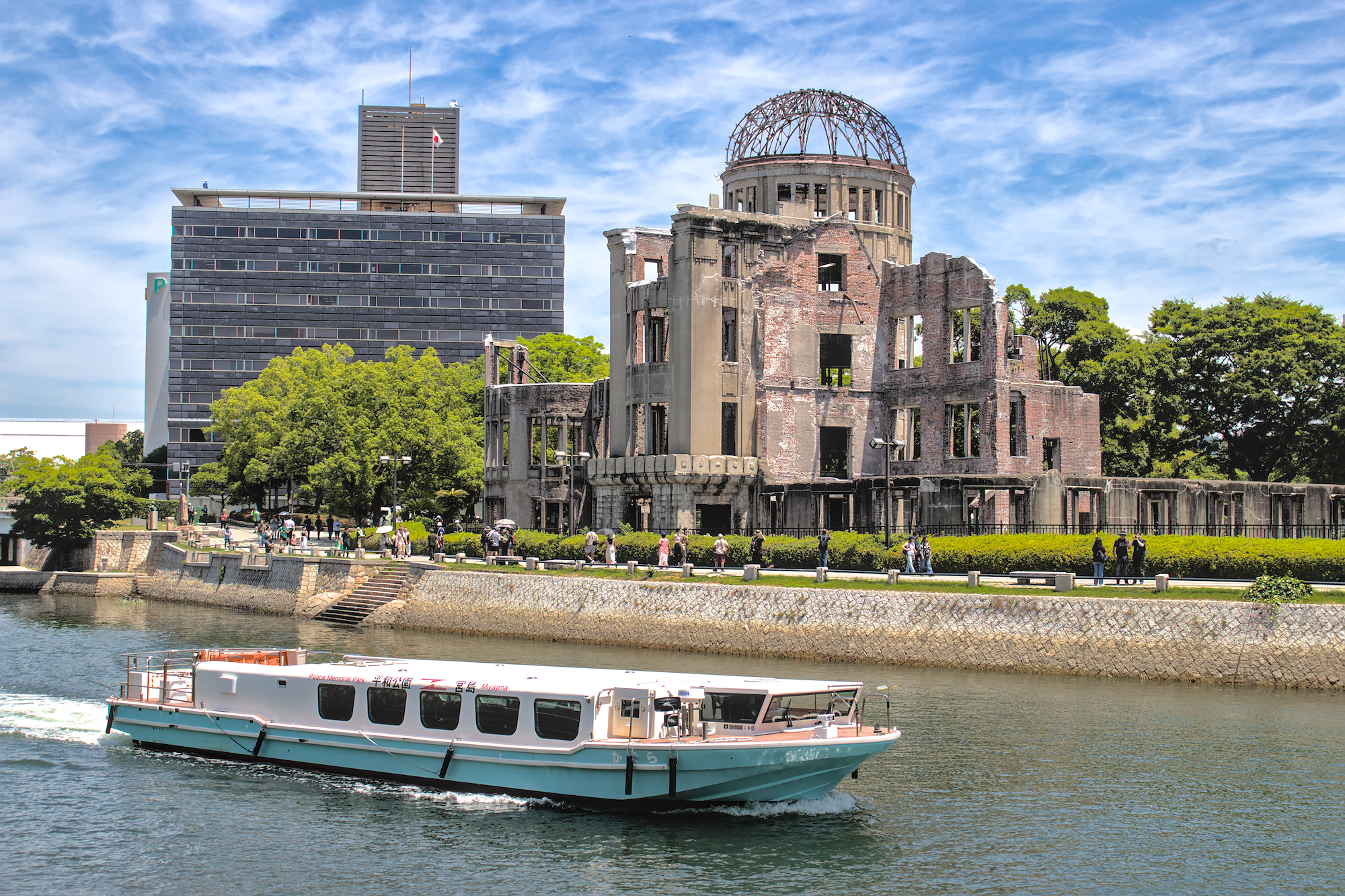
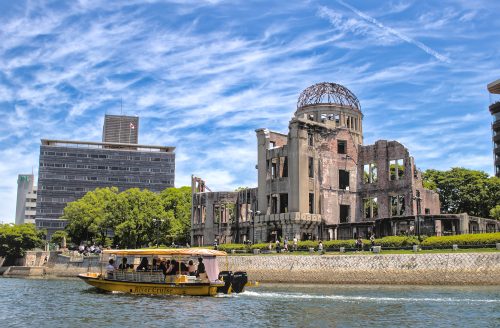
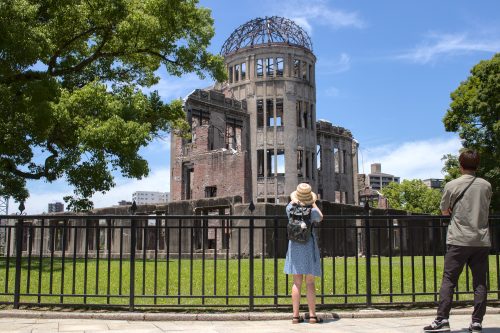
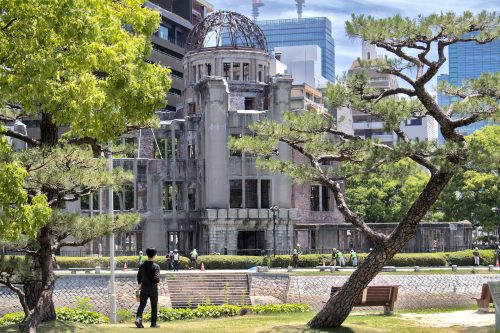
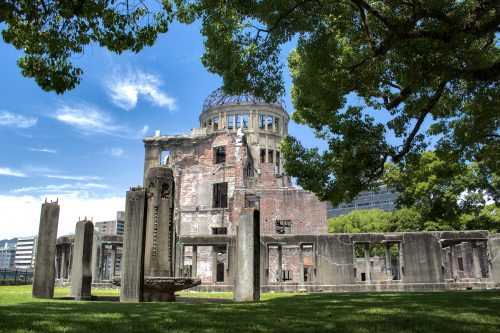
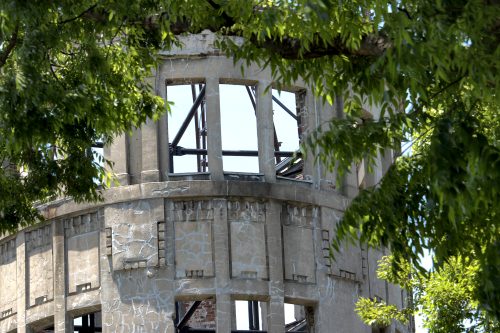
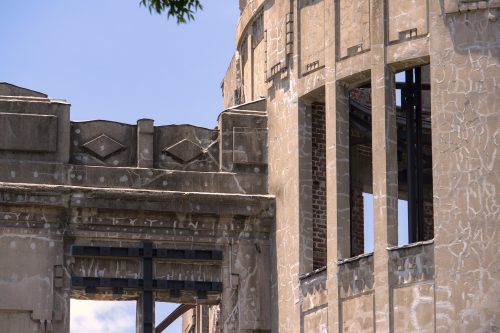
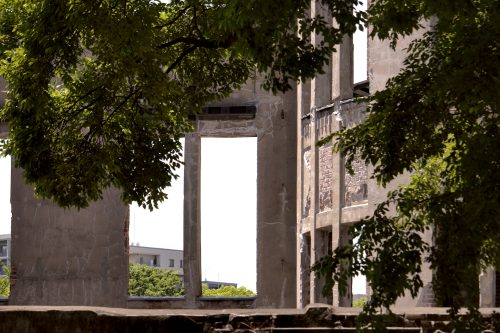
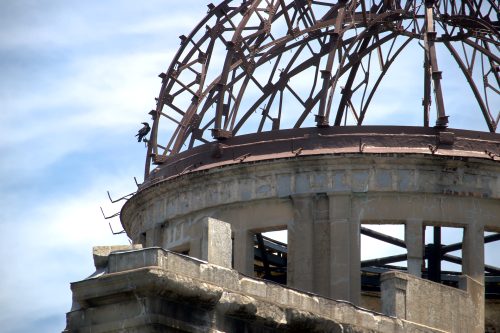
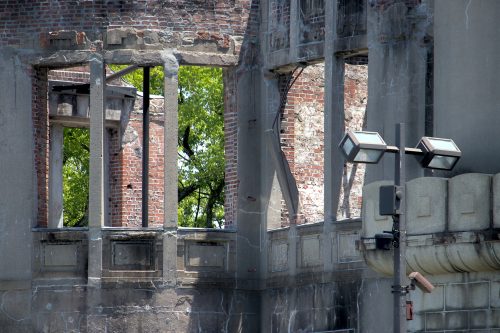
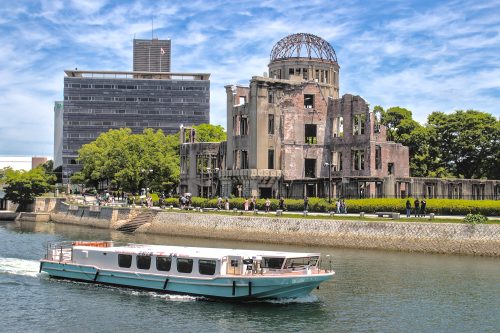
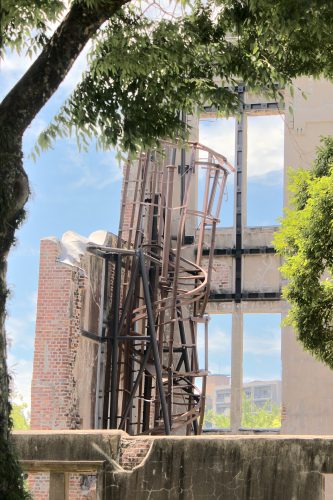
More than a ruin, Hiroshima’s Atomic Bomb Dome is a surviving fragment of the city that existed before Aug. 6, 1945. On that day at 8:15 a.m., Little Boy, a uranium bomb, exploded 160 meters (525 feet) southeast of the building and 600 meters (1,970 feet) above the ground. The blast from the bomb came down through the building’s roof and all three floors. Everyone inside was killed. However, its downward trajectory allowed some of the stone walls and steel frames to remain intact.
The Dome survived the bombing, but its survival afterward was far from certain.
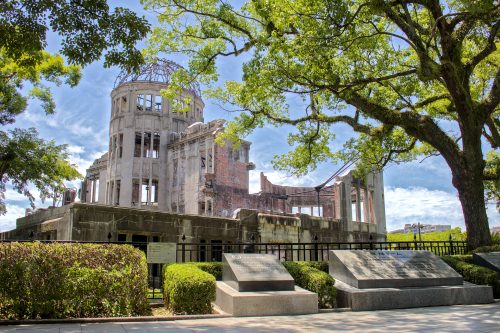
(Joy Photo / Michael Farrell)
Before the Atomic Bomb
Built in 1915 by Czech architect Jan Letzel, the Atomic Bomb Dome was known by many names over the decades. It was originally called the Hiroshima Prefectural Commercial Exhibition Hall.
At the time, Japan was in love with European architecture. The industrial West was seen as prosperous, scientific and technologically advanced. European architecture was a statement of Japan’s modern development. Made of stone-clad brick and mortar with some steel framing and copper roofing, the Hiroshima Prefectural Commercial Exhibition Hall was one of the fancier, more distinguished buildings in the city — an icon of Hiroshima’s growing prosperity and modernity.
It was used to sell local goods, exhibit art and promote new products. Most famously, it is where baumkuchen was first introduced to Japan. Karl Juchheim, a former World War I prisoner of war in Japan, exhibited the German “king of cakes” at Hiroshima’s landmark exhibition hall in 1919. Today, baumkuchen is a popular gift found in supermarkets and department stores across Japan.
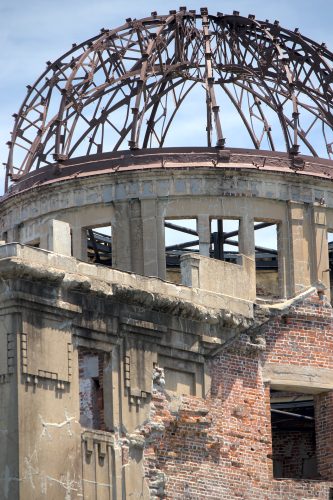
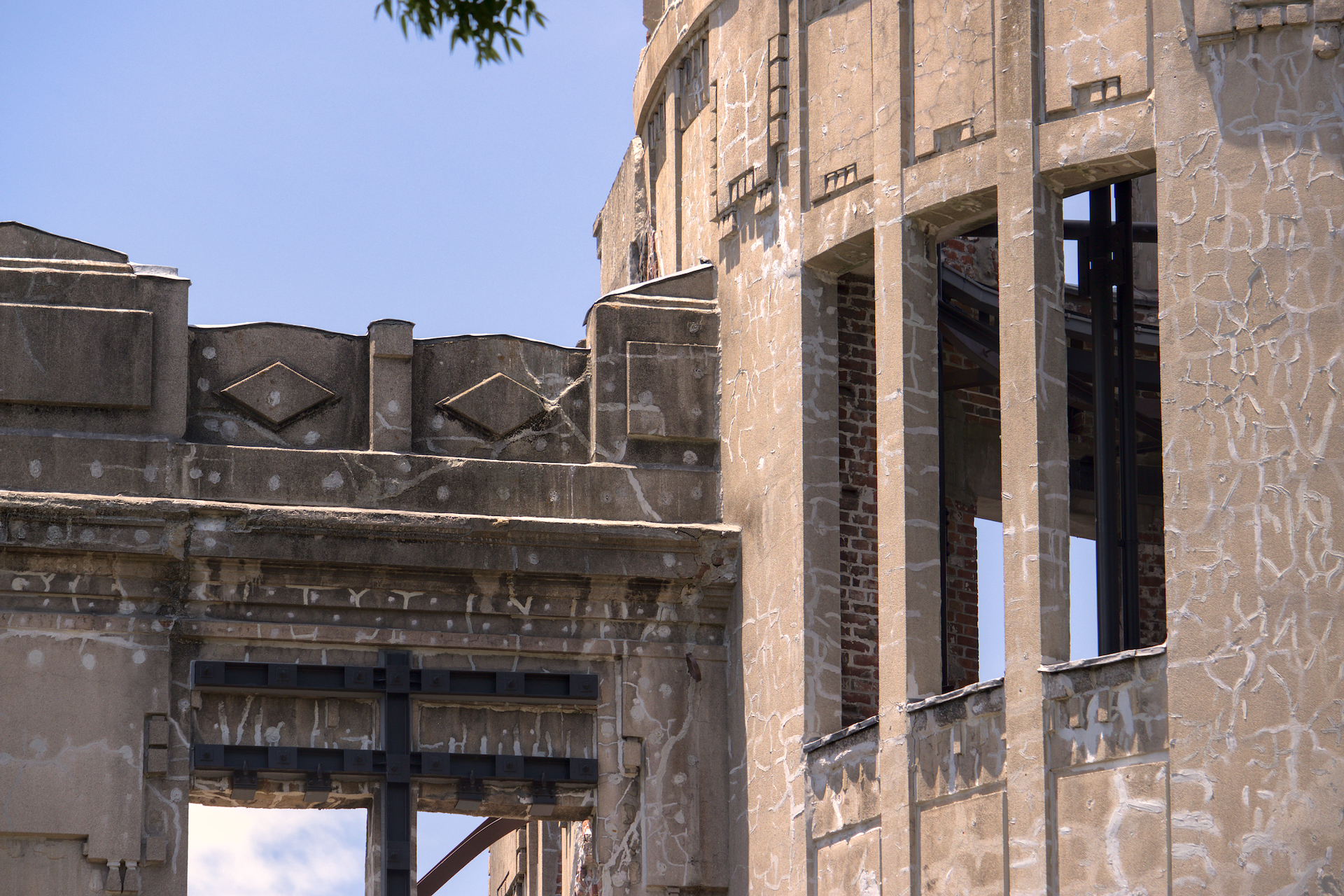
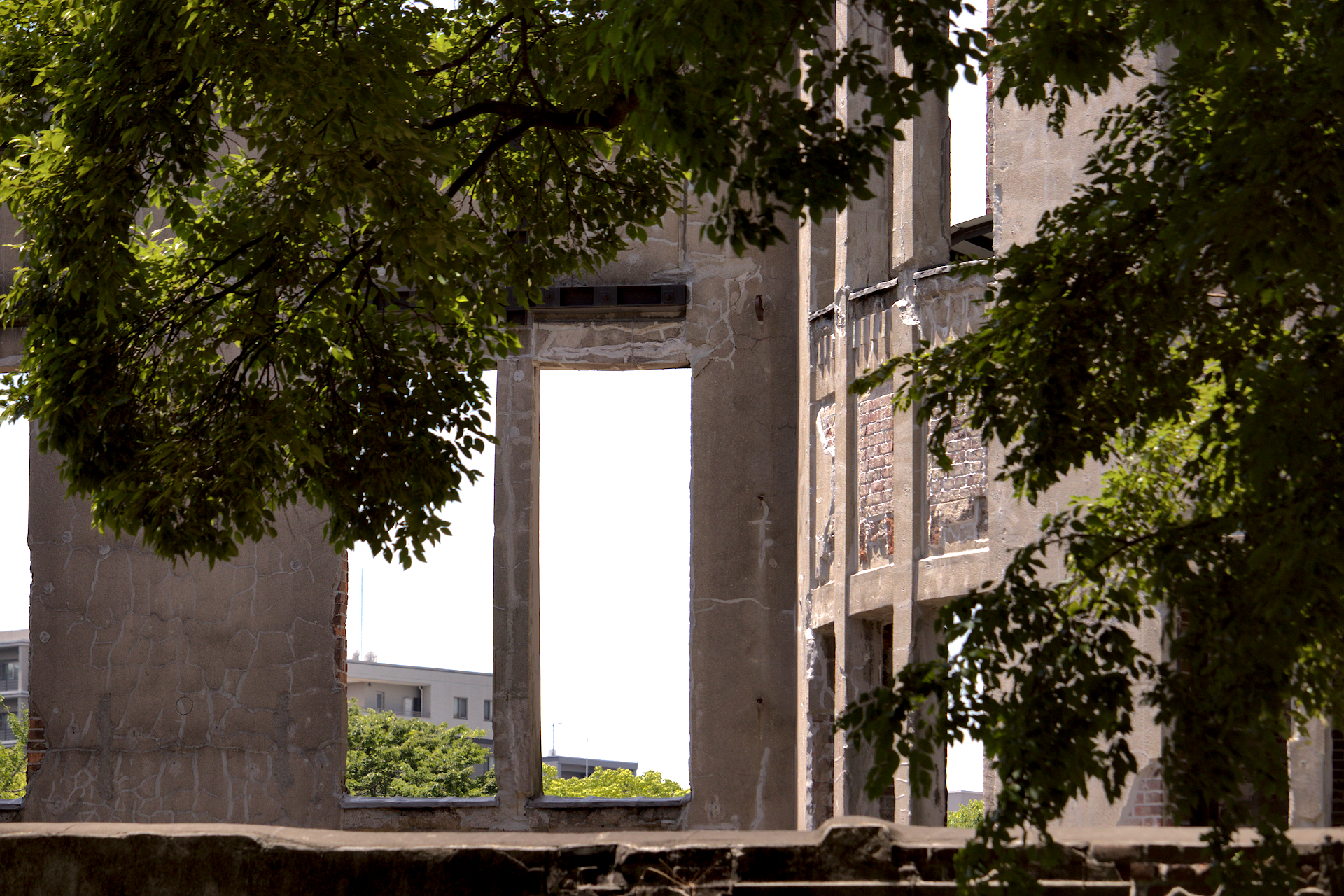
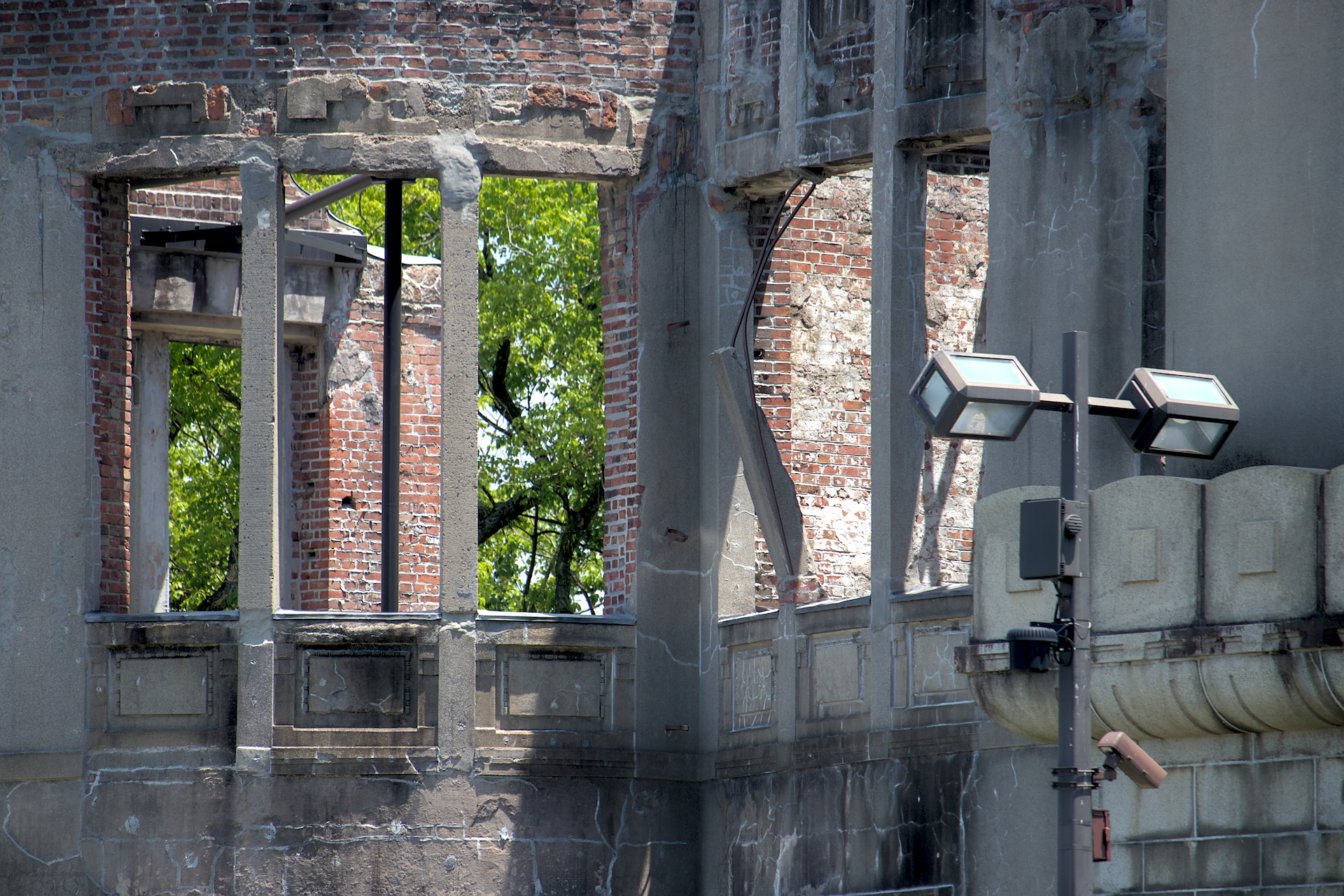
Stone cladding on the Atomic Bomb Dome with the brick and mortal underside revealed by the bomb. (Joy Photo / Michael Farrell)
The Dome’s Architecture and Design
The Hiroshima Prefectural Commercial Exhibition Hall’s design was part of a wave of European-style buildings that became popular at the end of the Meiji and early Taisho eras. Travelers can still see intact contemporary structures today, such as Tokyo Station Marunouchi Building (1914) and Osaka Central Public Hall (1918).
Letzel’s design incorporated a mix of European architectural influences present in Central Europe at the time. Design philosophies such as Neo-Renaissance and Secessionism contributed visual elements including the iconic dome, symmetry, the heaviness of the walls, unusually large windows and repeated geometric motifs. Though today’s structure is gutted, these patterns can still be observed on the ruin.
Surviving Hiroshima’s Reconstruction
After the war ended, Hiroshima began dealing with the question of what to do with the remains of the old city. It was a complicated time full of hardship and strong emotions. The dome had been renamed Hiroshima Prefectural Industrial Promotion Hall in 1933, but now locals called it “Genbaku Dome” — Atomic Bomb Dome — pronounced “Gen-ba-ku Do-meh.”
There were two schools of thought about what to do with the ruins of the Dome. One side wanted to preserve it as a memorial, while the other side wanted to demolish it. For the latter group, the Dome evoked painful memories. They were also concerned about safety because the crumbling ruin had become a hazard.
Curiously, this debate continued long after Peace Memorial Park was established in 1954. At the time, the park’s lead designer, Kenzo Tange, intentionally used the ruined Dome as a key symbolic feature in the central south-to-north line that visually connected the Dome with the Peace Memorial Museum and the Cenotaph for Atomic Bomb Victims. Despite this, however, the future of the Dome was uncertain.
The debate intensified over the years as the city recovered and people discussed how to best communicate the tragic experiences of the survivors and their families. This topic gained further poignancy in the 1960s as heightened Cold War tensions threatened global nuclear armageddon.
It was during this time that public opinion in favor of keeping the Dome increased dramatically. This culminated on July 11, 1966, when the Hiroshima City Council passed a resolution to preserve the building.
“Preserving the Atomic Bomb Dome is not only a responsibility to our future generations,” wrote Hiroshima Mayor Shinso Hamai in his call for donations to save the Dome on Nov. 1, 1966. “But it is a natural mission in our good conscience as fellow members of the human race. In other words, we are not preserving this as a remnant of resentment and hostility, but as a symbol of our remorse as part of the human family, and of our prayers for peace.”
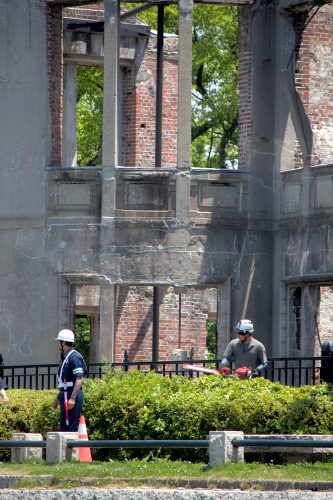
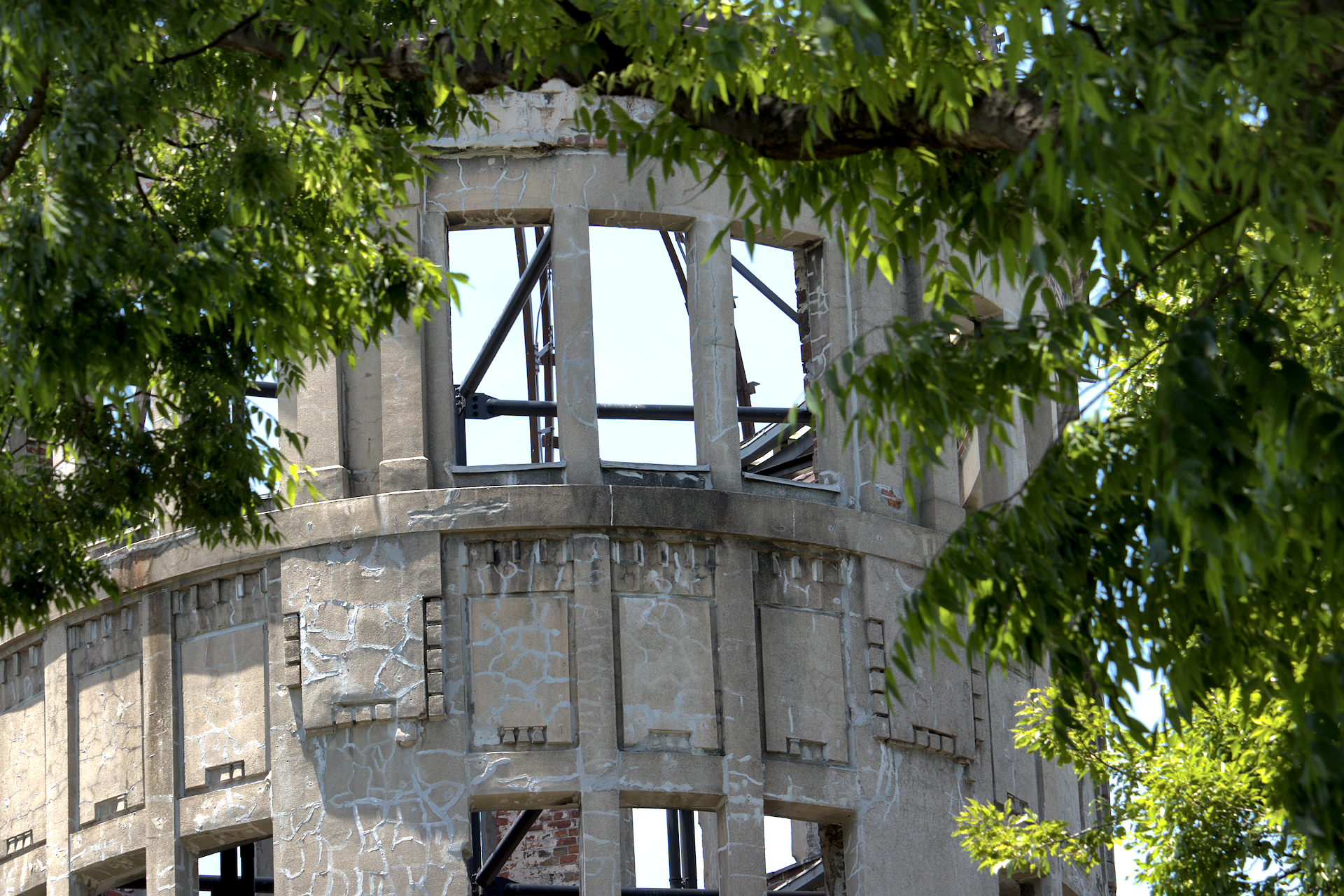
Crews maintaining the grounds around the Atomic Bomb Dome. A steel support is visible inside the Dome’s windows and white streaks reveal where cracks were filled in. (Joy Photo / Michael Farrell)
Preserving the Atomic Bomb Dome
The fundraising campaign was started with the goal of collecting ¥40 million. Support for the project was so strong that the city collected ¥66,197,816 (roughly equal to $1.9 million today) from more than 1.3 million donations raised across the world.
Preservation work began in 1967 and continued off and on over the decades until the most recent update in 2020. To keep the Dome in the same condition it was after the nuclear bombing, minimal steel reinforcement was added. You can see the steel bars today holding up the walls from the inside. Epoxy resins and mortars were used to fill cracks. Less visibly, synthetic waterproofing compounds were applied to prevent rain from further eroding the structure.
The Dome’s Symbolism Today
In 1996, the Dome was declared a UNESCO World Heritage site despite the official reservations of China and the United States. China was concerned the monument would distract from Japan’s atrocities against other Asian nations. The United States was concerned the monument would be interpreted in isolation from the context of the war Japan started in the Pacific.
UNESCO, however, accepted the site under Cultural Criterion VI, which at the time described places that are “directly or tangibly associated with events or living traditions, with ideas, or with beliefs … of outstanding universal significance.” In this case, that event of outstanding universal significance was the first atomic bombing, and the corresponding idea was peace.
In the words of the UNESCO World Heritage Convention site, “[The Atomic Bomb Dome] symbolizes the tremendous destructive power, which humankind can invent on the one hand; on the other hand, it also reminds us of the hope for world permanent peace.”
(Joy Photo / Michael Farrell)
Getting There
The Atomic Bomb Dome is one of the easiest sites in Hiroshima to visit. Take Hiroden tram line 2 or 6 from Hiroshima Station to Genbaku Dome-mae Station. The flat fare is ¥240 for adults and ¥120 for children 6 and older. Children below elementary school age ride for free.
The Atomic Bomb Dome is immediately visible on the left once you arrive at Genbaku Dome-mae Station.
However, if you plan to explore Peace Park as well, we recommend you delay seeing the Atomic Bomb Dome and take the Maple Loop bus from Hiroshima Station to the park’s main entrance on the opposite side of the park. The south-to-north path is the way the park’s designer, Kenzo Tange, expected visitors to experience the park.
After Visiting
The Atomic Bomb Dome is a sobering tourist site. However, lighter parts of the city are just a few minutes’ walk away in Gate Park, opposite the Hiroden tram tracks from the Dome. Grab a Japanese-Italian lunch at Goodspoon. This restaurant serves pasta and stone-oven pizza topped with its own house-made Italian cheeses. After filling up on pasta and cheese, grab a drink and chill out with 33 domestic cats at nearby Cat Café MOFF SHIMINT HIROSHIMA. If you are traveling as a family, 5-Days Children’s Cultural Science Museum is on the northern side of the park. Admission is free to experience dozens of hands-on science experiments and a two-story indoor play structure that would make the cats at MOFF jealous of your kids.
Interested in Learning More?
Visitors seeking deeper historical information may wish to consult the Hiroshima Peace Memorial Museum, UNESCO World Heritage Centre records and Hiroshima City archival material.
Moment of Joy
Patient Endurance
The story of the Atomic Bomb Dome’s transition from a debated ruin to a globally recognized symbol of the dangers of atomic weapons illustrates the power of patient endurance. Modern society is filled with countless issues ranging from personal to global. Often, those issues seem too contentious, complicated and emotional for progress to happen. However, the Dome’s long road to conservation and eventual UNESCO World Heritage status provides hope for everyone who seeks progress on struggles that seem at a standstill.


- Open
- Open 24/7
- Closed
- Never closes