
100 Stories
Tomonoura : A Place of History, Food and Picturesque Views
012 / 100
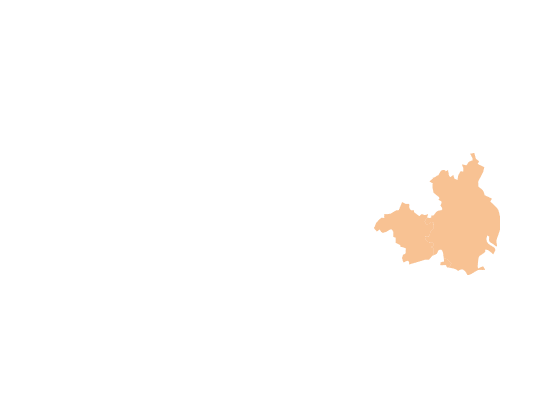
Tomonoura is a small port town located near the Seto Inland Sea in Fukuyama City. The town’s rich history, delicious foods, and beautiful scenic views are the sole reasons why this area has received so many visitors from tourists Japan and abroad, and it’s also why so many films and TV shows have been shot in this area. Today, I’d like to introduce all three aspects about Tomonoura and why it’s the perfect spot for your next vacation.

Food
One of the most famous foods of Tomonoura is tai (鯛, sea bream). Tai-ami (鯛網) is a traditional way of fishing sea bream that has been carried out in Tomonoura for over 380 years. You can actually see how it’s done at around the beginning of May – June: https://www.fukuyama-kanko.com/travel/taiami/
There are many ways you can enjoy eating sea bream, including two of my favorites – tai-chazuke (鯛茶漬け – sea bream on rice in a green tea broth), as well as just simply enjoying it as sashimi. However, when I last visited, I had the pleasure of trying tai-meshi (鯛飯 – sea bream mixed into steamed rice) for the very first time at a restaurant near the port called Taitei (鯛亭).
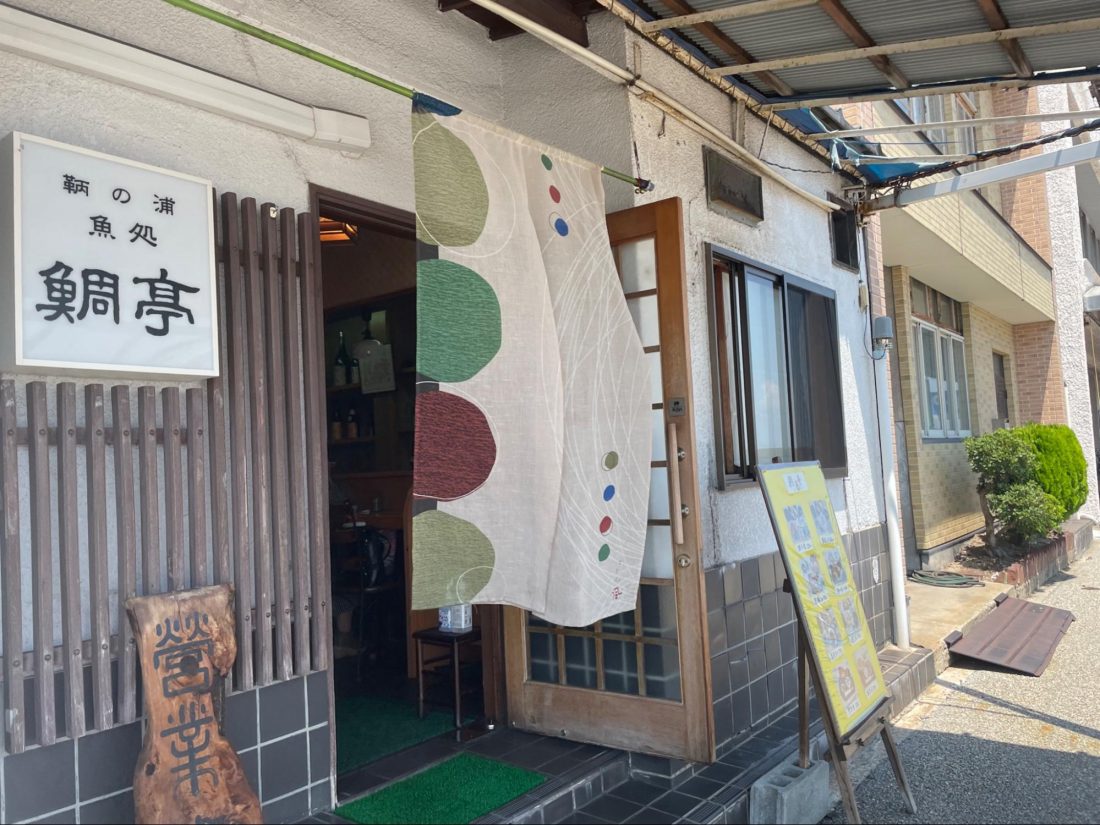
I ordered the best-looking thing on the menu called 鯛飯デラックス (Tai-meshi Deluxe) and had an entire bowl of freshly cooked tai meshi, as well as a beautiful dish of sashimi, cooked vegetables and other okazu (おかず – entrées).
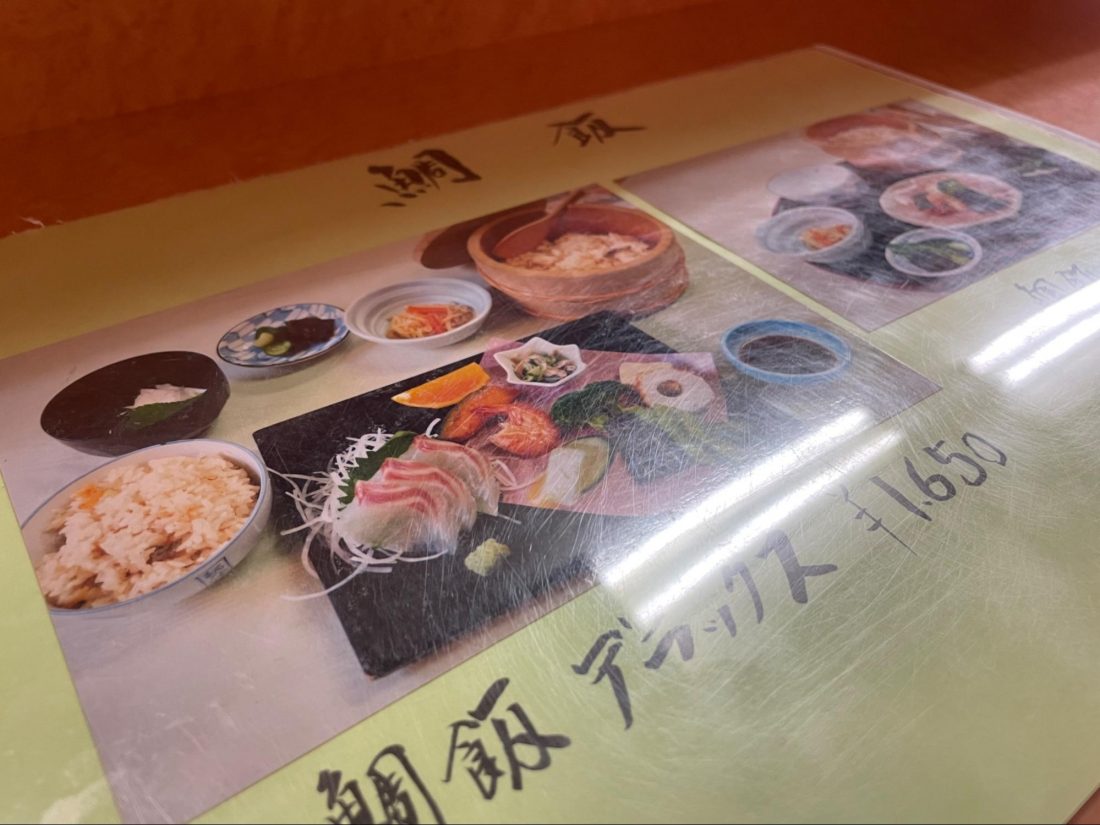
Tai-meshi is made by simply steaming rice, sea bream and other condiments together to make a delicious but different and unique arrangement of the usual white rice. I absolutely enjoyed every moment of this dish.
Moment of Joy
My Moment of Joy was when I was having tai-meshi for the first time in my life, as I sat near the door and the fresh sea breeze was hitting my face softly. Everything smelled so delicious and everything was so calm. Time stopped, and I was able to enjoy a very relaxing lunch.
Sea Bream = Good Luck?
Eating sea bream has always been a lucky fish usually eaten for celebration. The reason being the word medetai (めでたい), meaning “congratulations” in Japanese, has the word tai (たい) at the end, thus making the fish (also pronounced “tai”) a symbol of all things congratulatory.
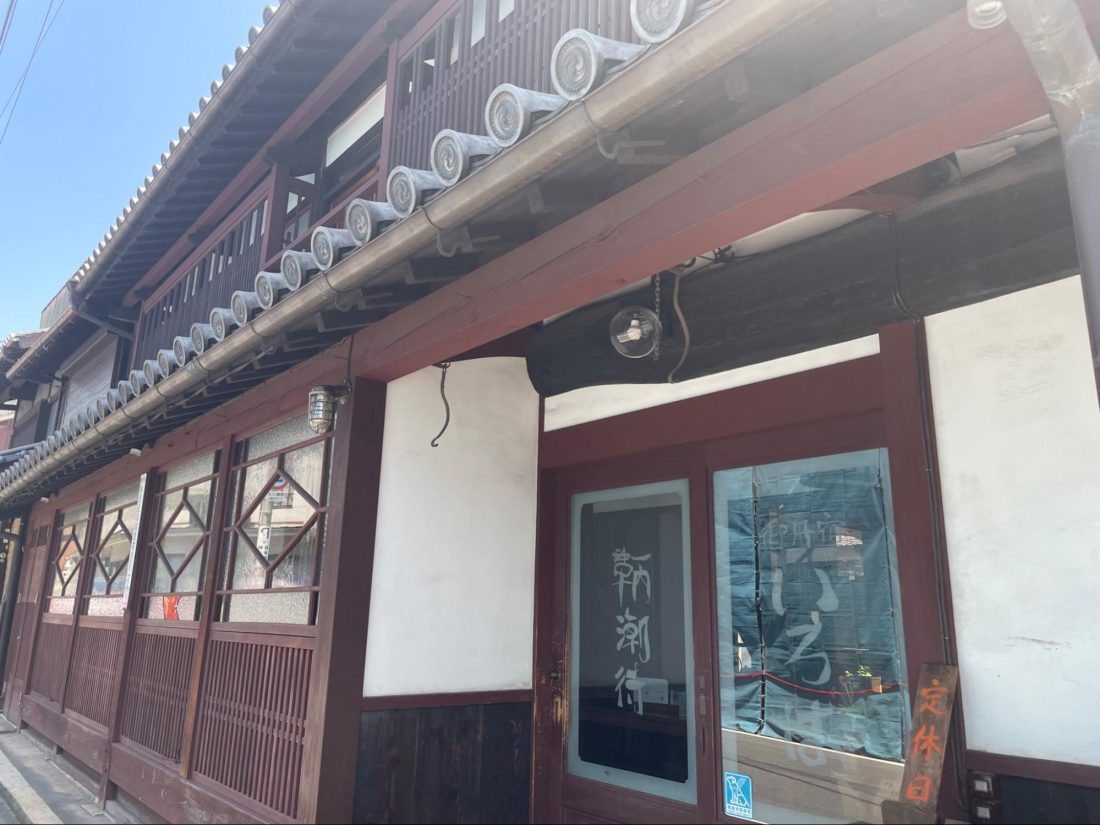
Iroha is also a restaurant I recommend going to: https://www.tomo-iroha.jp
The Iroha building was built in the 1800s and was one of the sites used in the famous Iroha-maru Sailboat Incident of 1867 (which I will write about in the following paragraphs). It was nearly going to be broken down but was revived by an NPO group that brought it to its current state and opened as a restaurant/hotel in 2010. In 2004, famous Director Hayao Miyazaki based his movie Ponyo on the Cliff on this restaurant as well. Their restaurant is also highly recommended, and you can also stay here for the night as well. Please, however, make sure to reserve your dates in advance as they only have enough space for two groups per night. https://www.tomo-iroha.jp/stay.html
Fukuzenji Taichourou (福禅寺対潮楼)
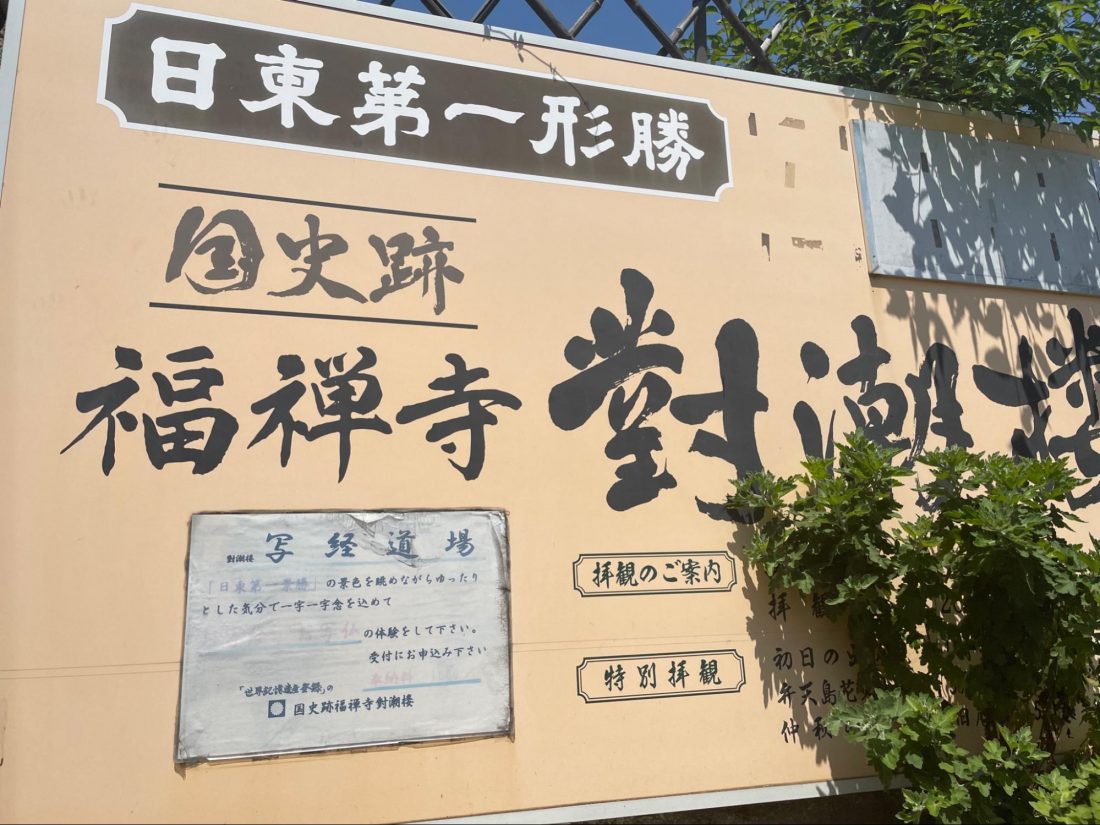
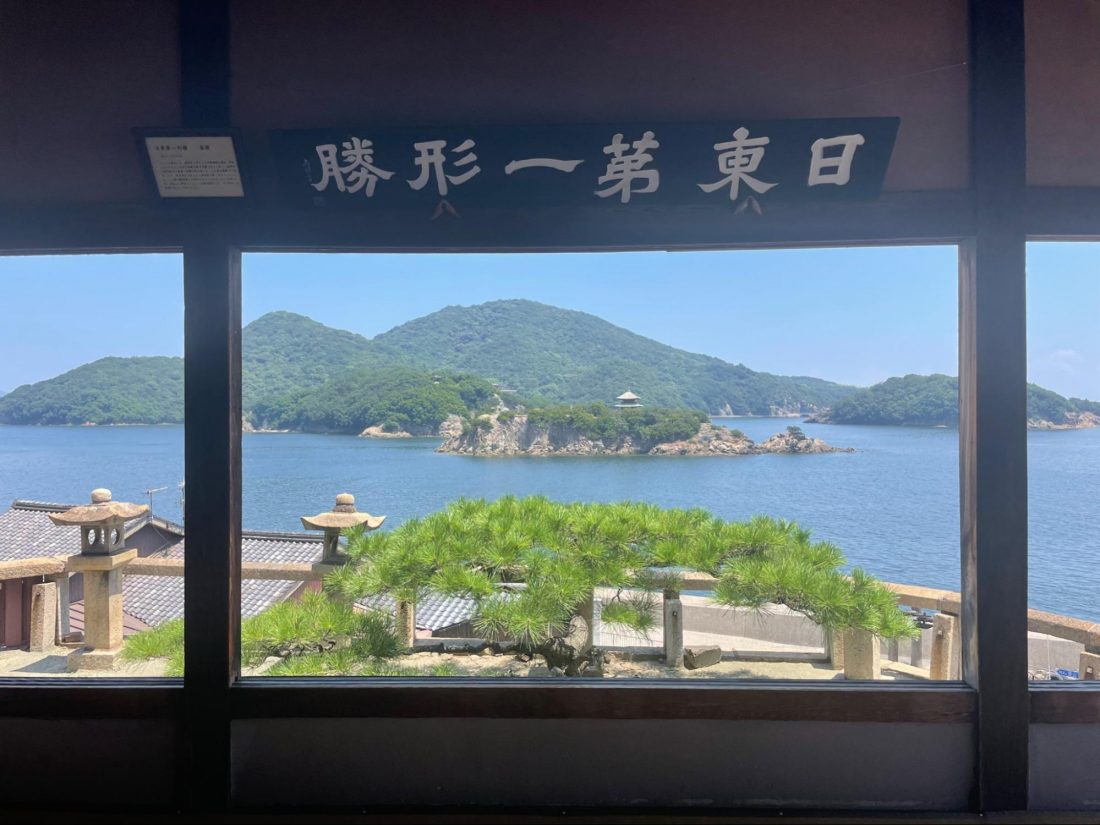
Fukuzenji Taichourou is a famous temple located near the port and near the restaurant Taitei. Fukuzenji is said to have been built in around 950, and the Taichourou was added in around 1690. During the Edo period, it was used as guest houses for important visitors from abroad, especially from then-Joseon 朝鮮 (now Korea). One officer from Joseon dubbed the Taichourou as 日東第一形勝 (the most beautiful view from further east of Korea) – and today many tourists come over to see this specific view.
In 1867, April 23rd, the Iroha-maru Sailboat Incident occurred when the Kaientai, a maritime support group during the Edo Period which was led by famous Ryoma Sakamoto, collided with Meikou-maru, a boat from the Kishu Domain (紀州藩) near the coast of Tomonoura. The incident was settled in Fukuzenji Taichourou (as well as at Iroha) and Sakamoto was able to win back a great amount of damage compensation from the Kishu. It was from this point that Ryoma Sakamoto started to become more and more famous throughout Japan. Ryoma Sakamoto is an important historical figure who is best known for forging an alliance with the powerful Satsuma and Choshu domains to win against the Edo shogunate. It was also his idea that the shogunate peacefully give back power to the emperor and restore imperial rule, through an idea called “Taisei Hokan” (大政奉還). He also gave advice on how to run the new government after shogunate rule.
Sakamoto was known for being able to come up with new and innovative ideas through changing his perception on individual incidents, which helped him achieve major events in life. His life ended soon due to an assassination, but the marks he left on Japanese history would change the course of the country’s entire history.
Near the port is also the Masuya Seieimon House (桝屋清右衛門宅), which is a museum where you can read more about Ryoma Sakamoto and his stay in Tomonoura.
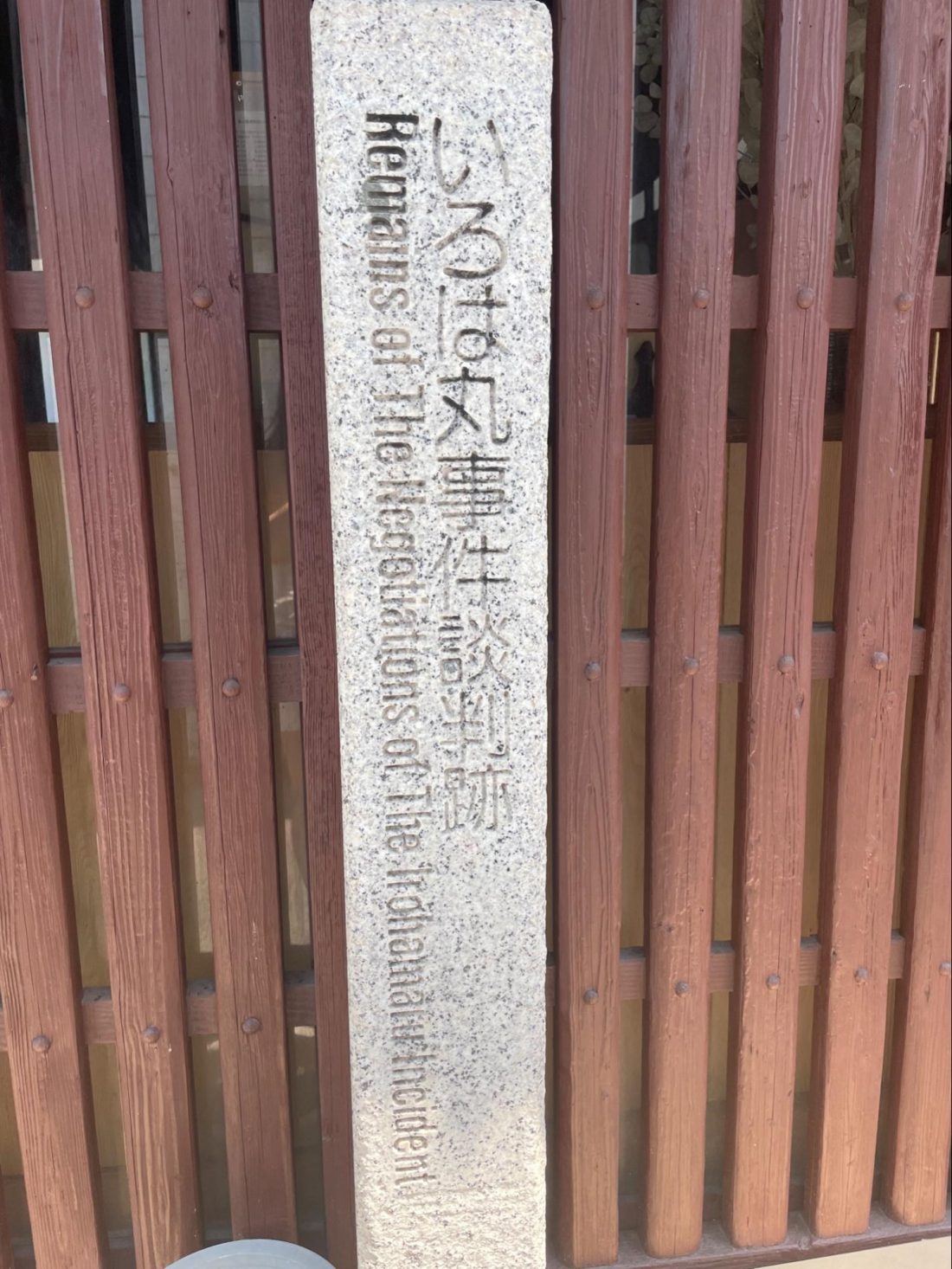
During the Edo period, Masuya ran a shipping business (Kaisendonya) and there were many rumors during this time that this Masuya had hidden Ryoma Sakamoto in his attic during the Iroha-maru Sailboat Incident, as his life was in danger due to many wanting him gone. The exact location of his hideout was unknown until it was discovered in 1989 by locals in the area. Renovations were made in 2010, and it officially opened as a museum in 2014.
It’s a great place to learn more about Tomonoura’s history so make sure you open up some time to visit this area!
Sensuijima - Blind Sighted by Beauty
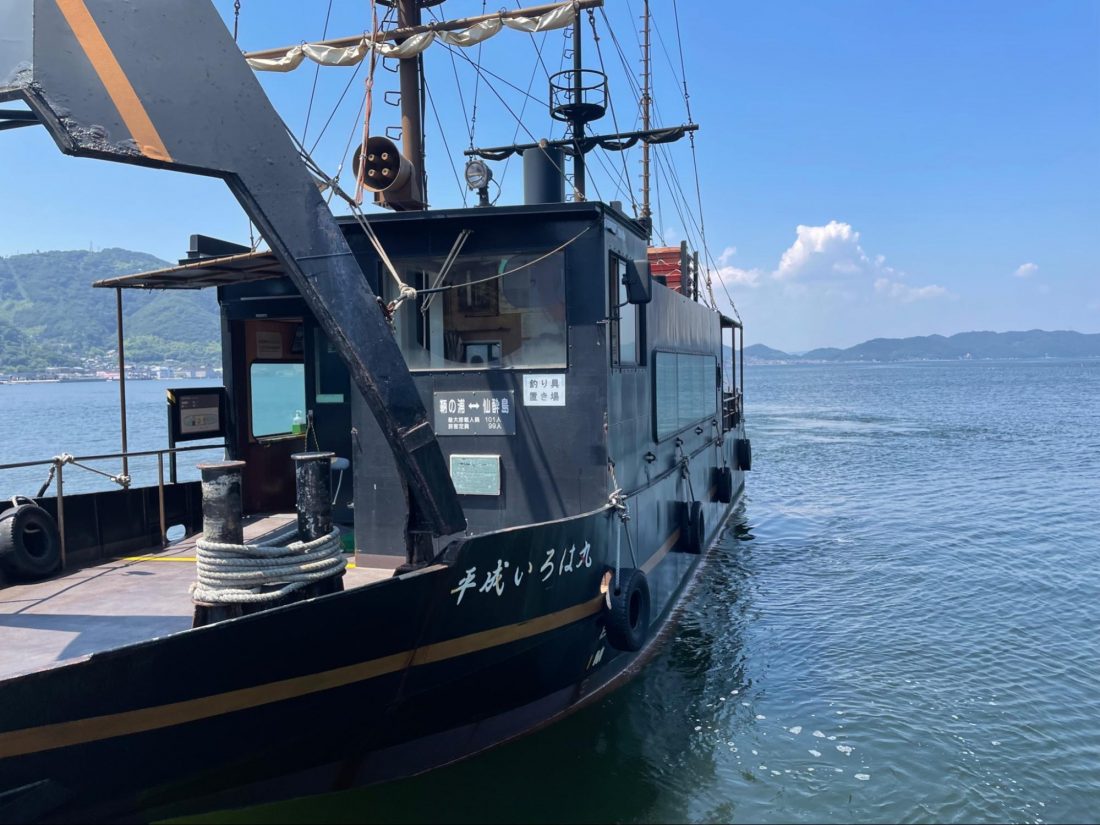
Sensuijima is an island just five minutes away by boat – and you can get there by taking the Heisei Iroha-maru (平成いろは丸), the modern version of Iroha-maru sailboat. The name Sensuijima comes from the saying “仙人も酔ってしまうほど美しい島,” which is roughly translated “an island so beautiful that even legendary men become drunk from its beauty (are blind sighted by its beauty).”
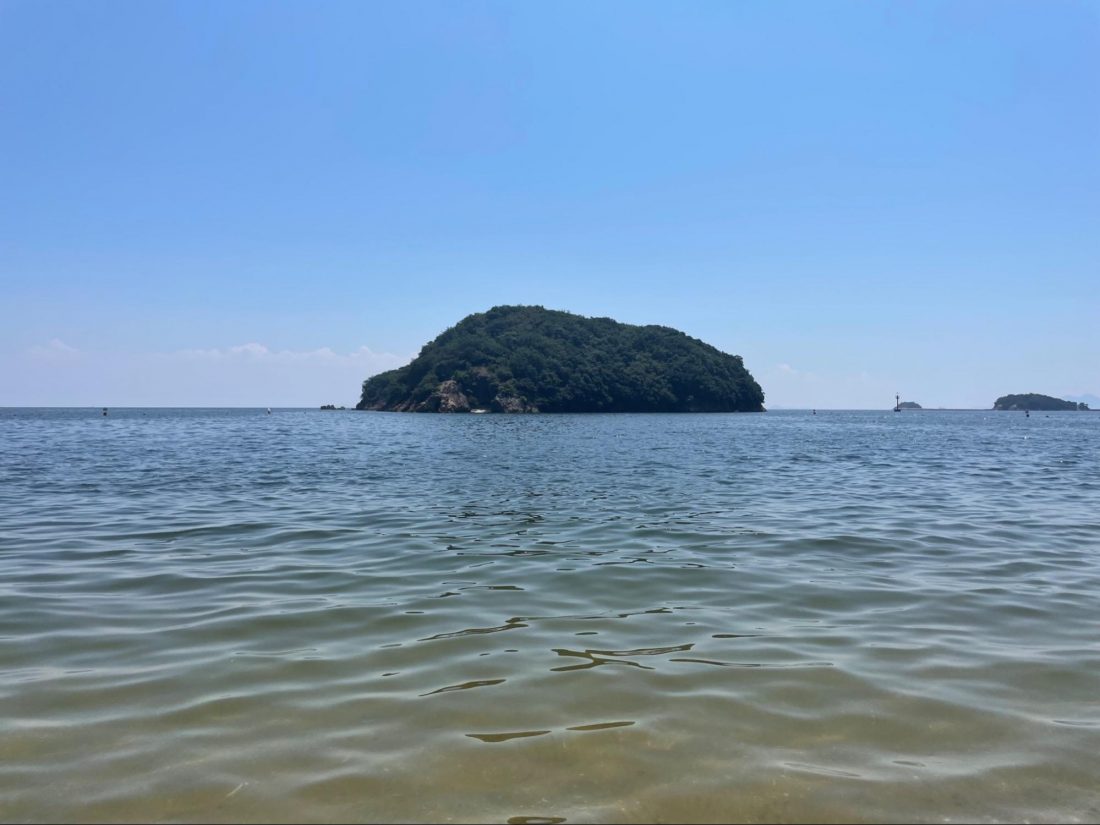
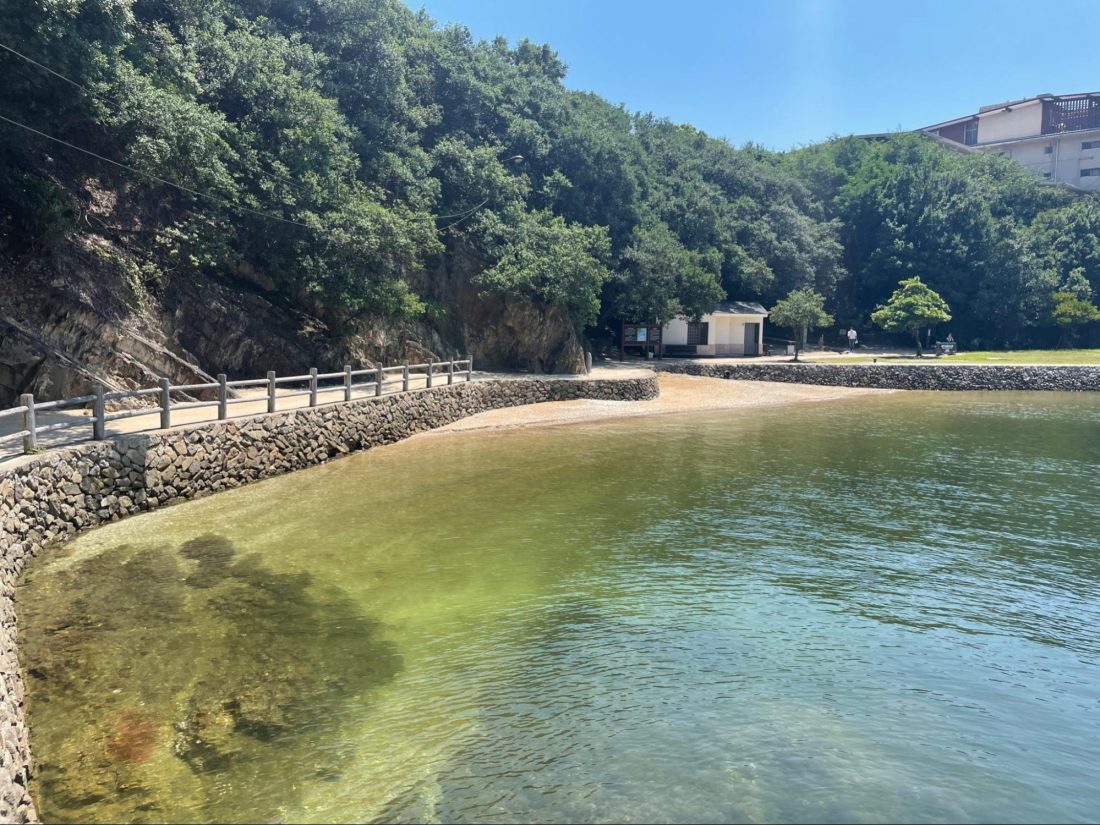
The name is beyond fitting for this island – the minute I stepped off from the boat, I was taken away by its beauty – blue waters, yellow sand, and beautiful rich green forestry all around.
Once I went through the forestry, I was greeted by an even bigger, open beach where I could just lie around and relax all day.
The entire area was made a national park in 1934 and is called Setonaikai National Park (瀬戸内海国立公園). It is uninhabited, but there are many hotels and places you can go to in order to relax (other than the beach). And if you’re lucky and you choose a good weekend to go, you might be able to keep the beach all to yourself – a great chance to enjoy a lovely few days at a private beach, hidden from the rest of the world!
How to Get There
Tomonoura is quite far from Hiroshima City and is approximately a two-hour drive. There is also a bus you can catch from Fukuyama-nishi station to Tomonoura or Tomo Port – you can find all the details here: https://tomonoura.life/access/13490/
If you’ve visited Hiroshima a few times before, I definitely recommend visiting Tomonoura; there are so many things to discover, and I have just scratched the surface in this article. If you ever do visit, however, make sure to hit the main spots – I promise you won’t be disappointed!