Eat
Soba Bar Shirakawa – The Locals’ Soba

Shirakawa, a long Established Shop
Soba Bar Shirakawa has been serving soba to Hiroshima locals for 20 years. This cozy shop near Hondori, Hiroshima’s central covered shopping street, is normally packed with local office workers, retired couples, homemakers and university students slurping down buckwheat noodles. Shirakawa has a reputation for delicious soba, piping hot tempura, great service, a cafe-like interior and commitment to the smaller details of soba culture.
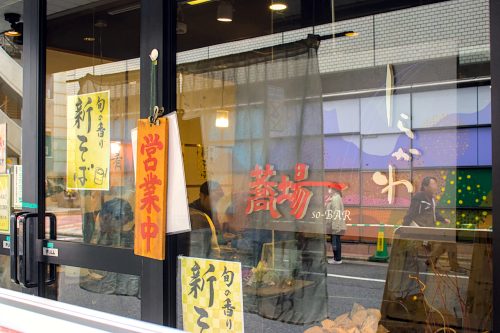
Soba Bar Shirakawa is a popular local spot and is often packed for both lunch and dinner. (Joy Photo / Michael Farrell)
It Starts with Buckwheat
Soba is a pretty straightforward food. They’re buckwheat noodles. But how they are made, how they are served and what they are accompanied by has a big impact on the experience.
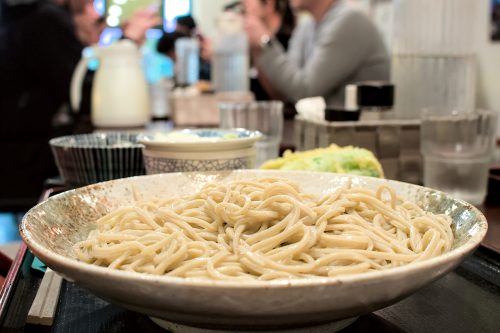
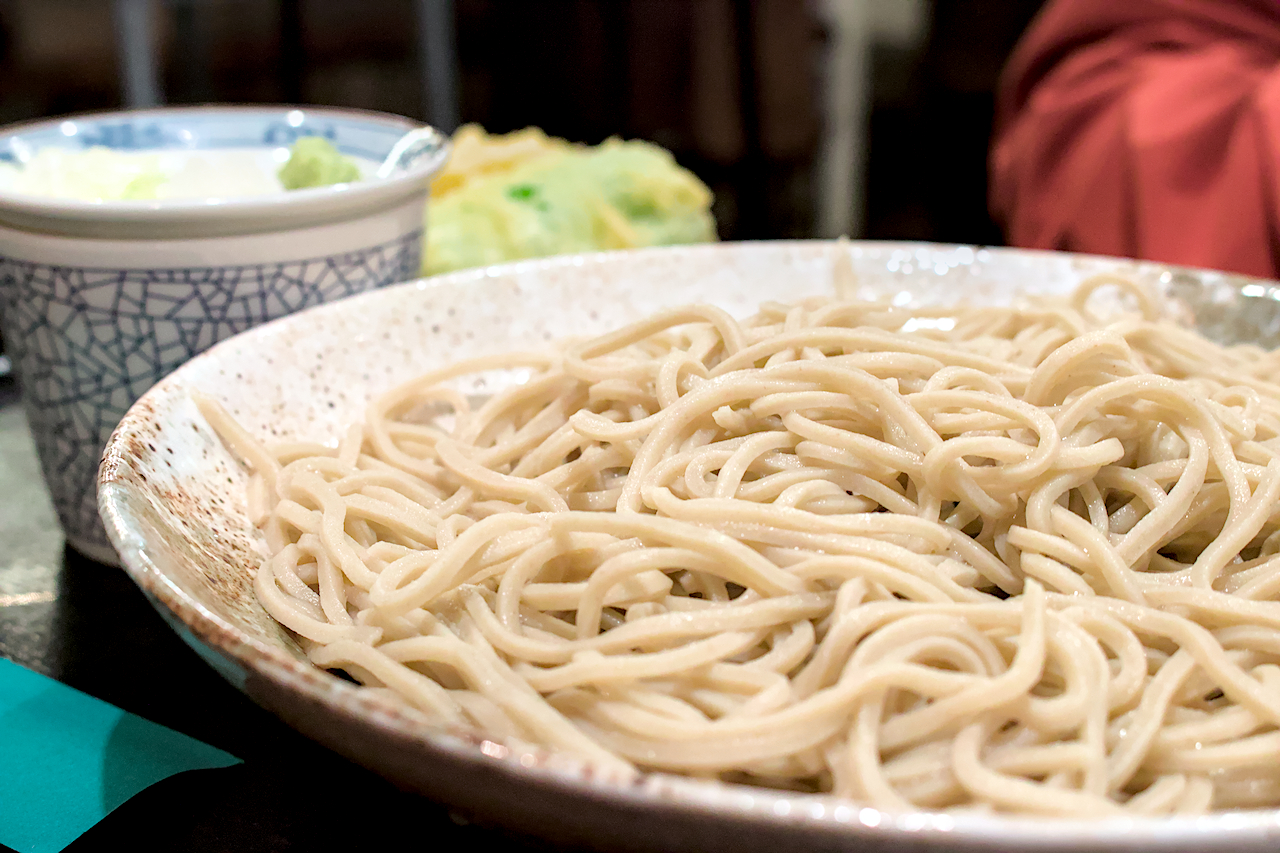
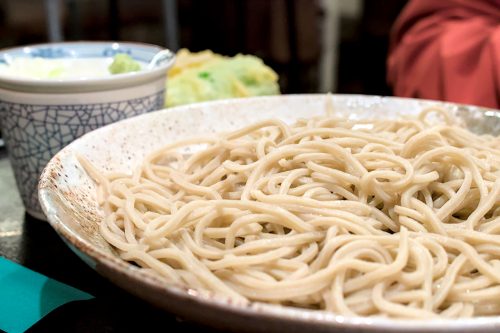
Cold soba can be eaten plain. Some like to salt it or eat it with wasabi. Many, however, enjoy it best with the dipping sauce. (Joy Photo / Michael Farrell)
Hokkaido Noodles
Shirakawa’s noodles are made with buckwheat from Hokkaido—one of the most prestigious sources of buckwheat flour in Japan. Why Hokkaido and not Hiroshima? The reasons are three. Soba culture comes from eastern Japan. That is where the climate is cool and moist, better suited to buckwheat than the heat of Hiroshima. So, while buckwheat is grown in Hiroshima, it is not a major crop. As a result, when soba shops want to highlight quality and cultural authenticity in Japan, they often use soba from Hokkaido. Today more than 40% of Japan’s buckwheat comes from Hokkaido.
The Secret of Smooth Soba
Many reviewers on Tabélog and Google comment on the smoothness of Shirakawa’s soba. And the texture is no accident. According to (白川 英華) Shirakawa, the manager, they achieve the smoothness by using highly refined buckwheat flour.
Harsh Husks
In Japan, smoothness is a culturally preferred texture along with soft and fluffy. And, unlike wheat and rice, buckwheat husks are extremely coarse and fibrous, making them more difficult to mill into flours of consistent texture. For this reason, soba restaurants emphasizing urban sophistication typically use the most refined buckwheat possible. Buckwheat hulls are so fibrous, in fact, that they were traditionally used to stuff pillows in Japan. Even today, buckwheat hull pillows are a popular, high-end choice much like goose down is in the west, but for utility not lavish comfort.
A Wide Variety of Soba Dishes
With over 25 styles of soba dishes on the menu, Shirakawa’s menu seems pretty large for a menu centered around a single ingredient. The diversity starts with the temperature of the noodles and then further diversifies into an array of flavors and textures through toppings and side dishes.
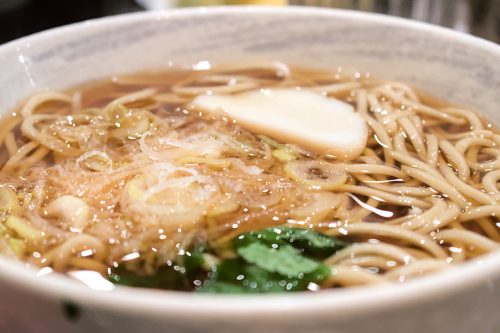
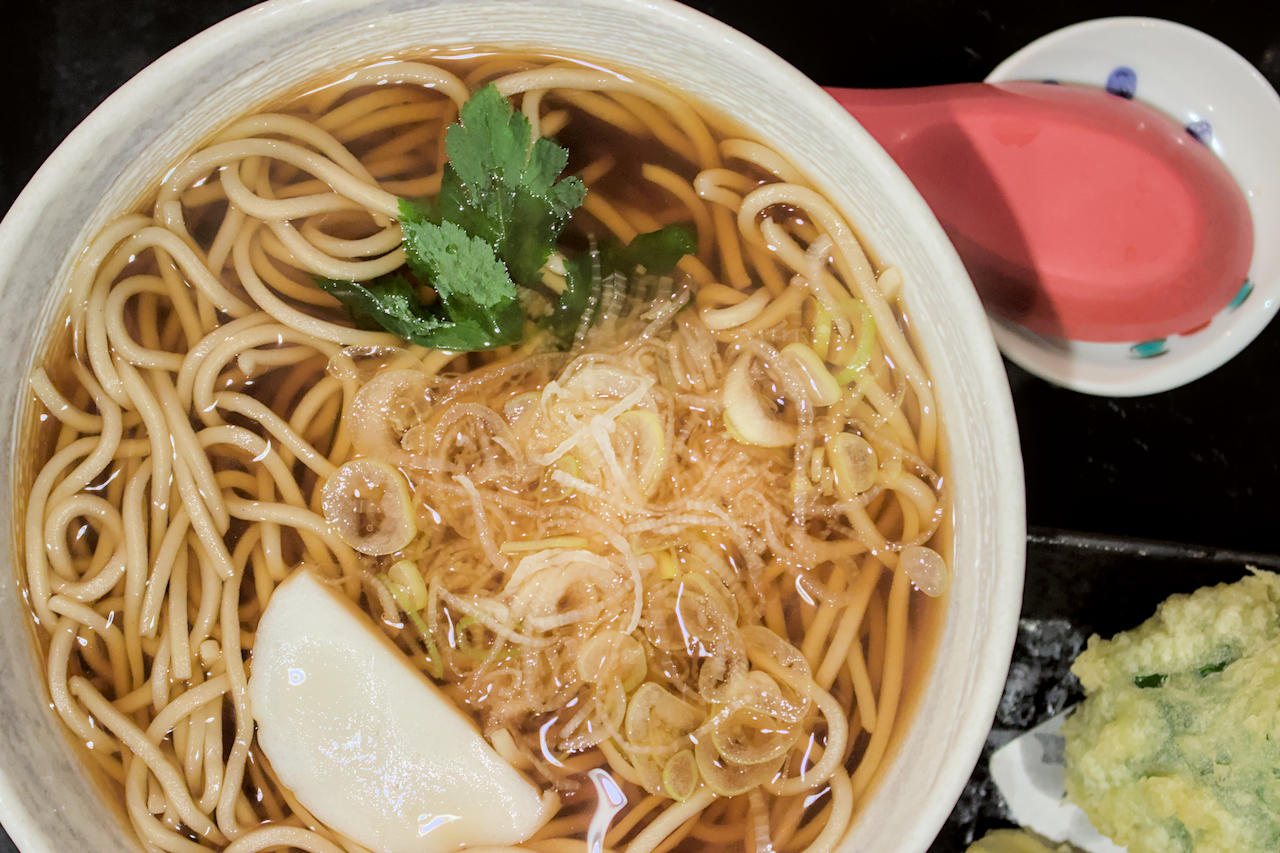
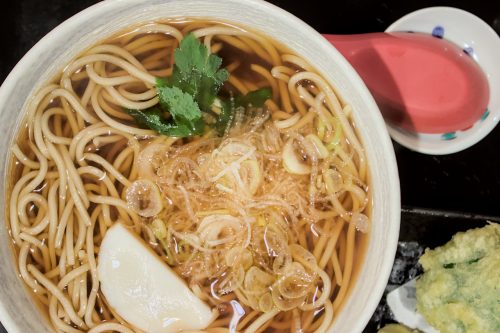
A steaming bowl of kake-soba. The broth is warming while the toppings add complexity and zest. (Joy Photo / Michael Farrell)
Hot or Cold
Hot soba is usually served in a soup. Shirakawa’s broth is warm and comforting like a cup of hot bullion. It also includes bright, citrussy bursts from a garnish of julienned yuzu peel and aromatic pepperiness from mitsuba, a leafy vegetable sometimes called “Japanese parsley.” Cold soba is served plain on a woven bamboo tray called a seiro. That might not sound too exciting on its own, but many enjoy it because of the accompanying tsuru—dipping sauce.
Diversity in Toppings and Sides
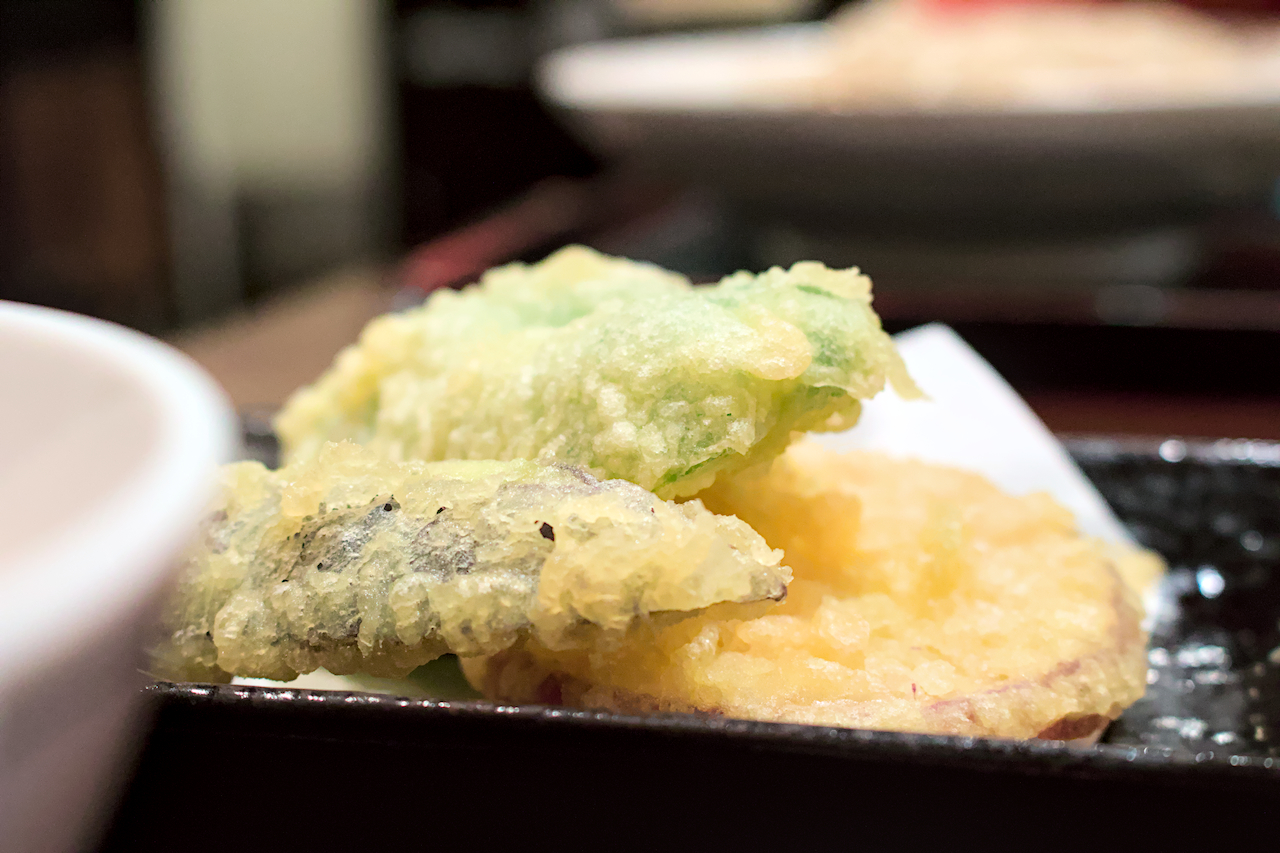
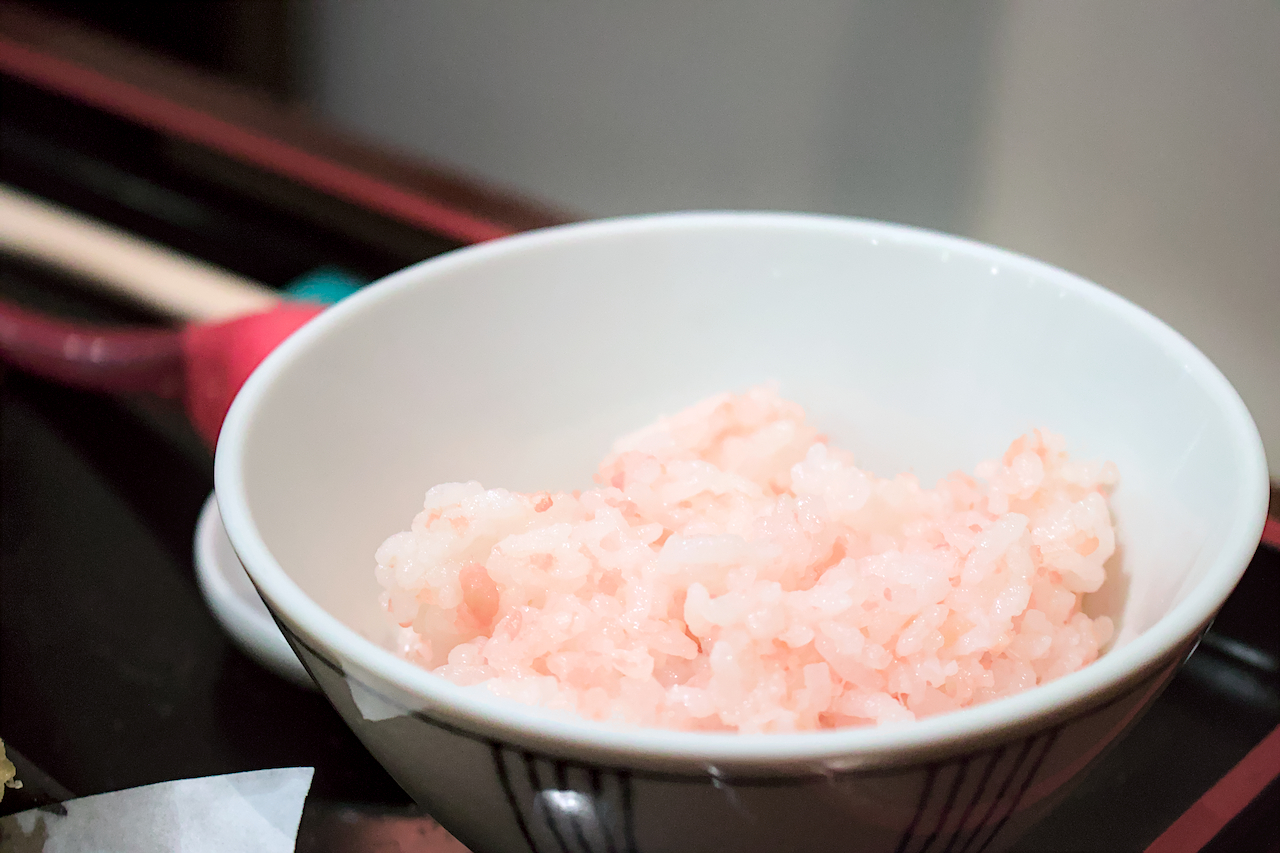
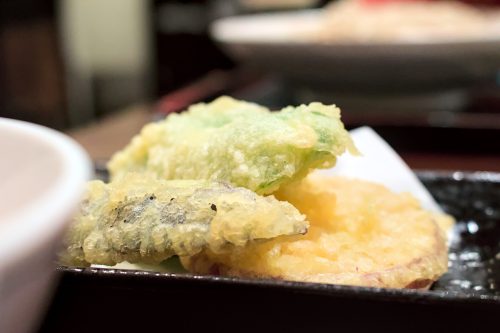
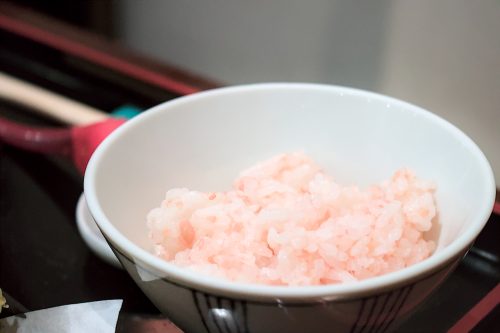
If you get the Tempura Set, it comes with five pieces of fresh-cooked tempura, and a flavorful tsuru that is savory and umami. It’s a popular choice with travelers from abroad. If you want to eat like the locals, consider the Curry Seiro Soba. It comes with a Japanese-style curry sauce to dip your noodles in. The Duck Seiro Soba is popular too. The dipping sauce has large chunks of duck meat and negi, a kind of Japanese leek. Some set meals include bowls of “mixed rice,” that change regularly. On one occasion the rice was mixed with flakes of grilled salmon.
Sobayu – A Piece of Nagano Soba Culture
After the meal, Shirakawa displays Soba’s Nagano roots by having a pitcher of sobayu on the table. Rich in nutrients and soba flavor, sobayu is the hot, starchy water that the noodles were boiled in. The water is often poured into the remains of the dipping sauce and drunk after the meal as a way to enjoy the flavors one last time. The practice comes from Nagano Prefecture. The story goes that it began because of the Japanese cultural value of mottainai—not wasting anything. Whether the story is true or not, the practice is regional, so not every soba shop does it.
Learn how to eat soba like a local HERE.
An Unexpectedly Sleek Dining Area
When Japanese people think of soba restaurants, they don’t automatically think of trendy interiors. The stereotypical vibe is a bit run down, utilitarian, and retro in a Showa or Taisho way. Moreover, you might have to stand, and self-service is typical. This image comes from Japan’s old tachigui, soba shops lined with salarymen slurping their noodles at a standing bar. However, many modern shops do not fit this mold. Shirakawa is one of them.
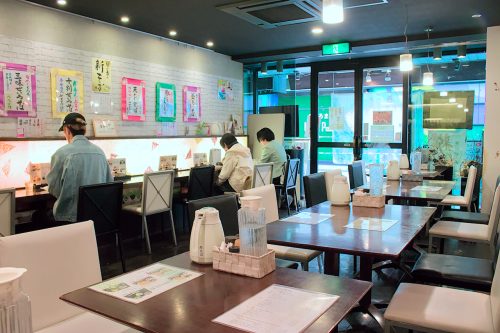
The interior of the shop is more like a cafe than traditional soba shop. (Joy Photo / Michael Farrell)
An Interior with Cafe Comfort
The dining area is bright with natural light from the storefront window that takes up the whole wall. Despite being small, the inside feels oddly spacious. This might come from the interesting use of geometric shapes in the wall decor—something between Brauhaus and traditional Japanese aesthetics expressed in paper, colors, lamps and wood. A drink bar on the far end of the shop adds a Western touch. The tables are clean. The place feels its age, but it’s well kept and the cafe-like atmosphere is only accentuated by the jazz playing in the background.
How to Avoid the Wait
Because soba is a light meal and quick to make, it is a popular lunch food. As a result, Soba Bar Shirakawa is busiest at lunch time. It’s not uncommon to see lines of people waiting to enter in the middle of the day. Especially if your group is larger than two, you might have to wait in line at peak lunch hours. In Japan most people take lunch around noon, so by 2 p.m. the bulk of the lunch crowd thins out making it easier to get a table. But don’t wait too long. Their lunchtime hours end at 3 p.m.. If you miss lunch, and you really want to visit, they open again at 5:30 p.m. for dinner. Soba is less in demand for dinner in Japan, so you might get lucky. However, the last time we visited for dinner they did not have a single seat available.
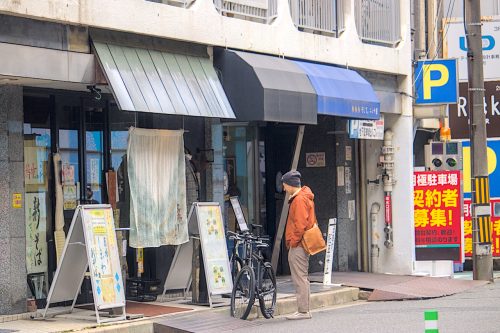
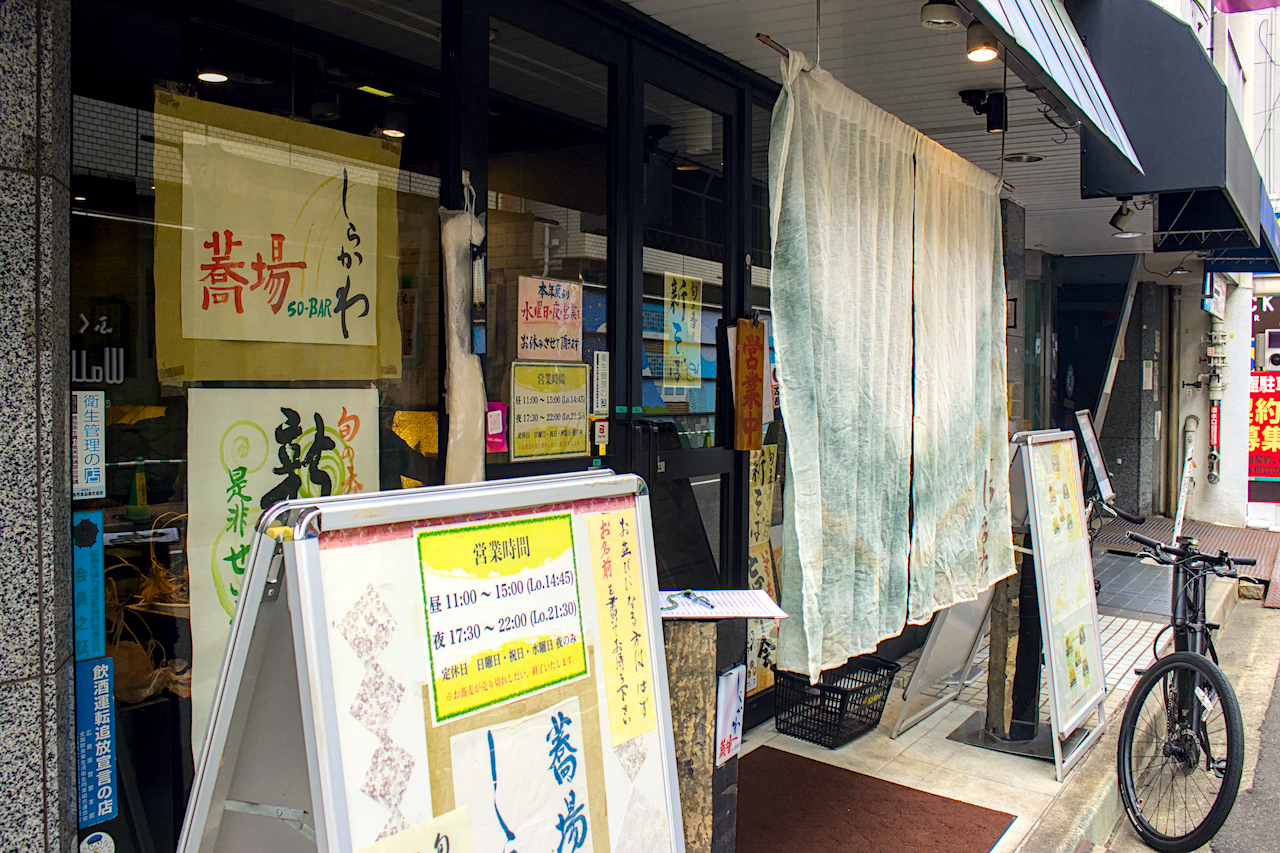
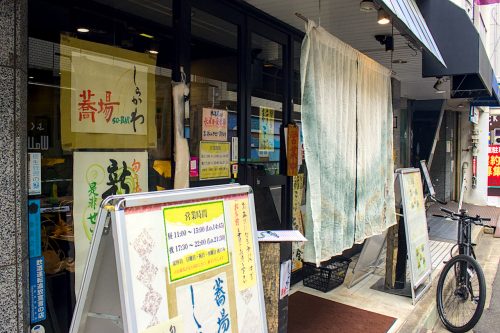
A tourist reviews the menu outside Soba Bar Shirakawa. The main menu is in Japanese but the set menu is also provided in English. (Joy Photo / Michael Farrell)
Getting There
Shirakawa is a seven minute walk from Hiroden Tatemachi Station. Tatemachi Station is simple to get to from Hiroshima Station. Any streetcar line will take you there. They branch off later. From Tatemachi Station, walk south and then turn right on Hondori, the covered shopping street. Take your next left and keep walking straight for three intersections. Soba Shirakawa will come up on your left. It’s in the center space on the first floor of an old, white, seven-story apartment building with recessed balconies.
Try These Great Places Nearby
If you find a long queue and don’t have time to wait, consider some nearby alternatives. Kamahachi, another local favorite, sells hearty bowls of Sanuki udon with a wide range of toppings at competitive prices. Or consider Tempura Suehiro. You get crispy tempura placed freshly-cooked and piping-hot right in front of you as they come out of the frier.
Moment of Joy
Soba Bar Shirakawa is not hard to get to but easy to pass by if you did not know what you were looking for. It has no flashy signs or impressive storefront. It’s tucked away behind a large noren curtain on the first floor of an ordinary-looking building. Discovering it and seeing it filled with locals is like finding a corner of the real Hiroshima. You won’t find many tourists here. This is where Hiroshima eats.
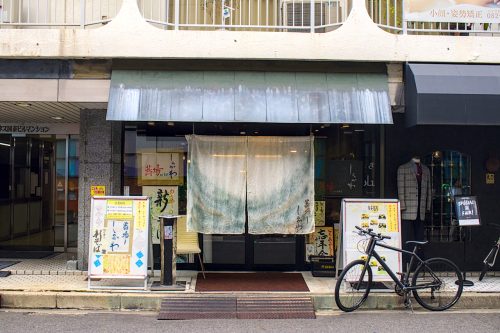
This is Soba Bar Shirakawa. It’s right in the center of this building near Hondori and Fukuromachi Park. (Joy Photo / Michael Farrell)
Written by

Michael Farrell is a reporter and editor who began traveling the world in 2010. His publishing career started in New England, first at the Gloucester Daily Times and later as a copy editor with boutiq…More


- Open
- Lunch Hours: 11:00 to 15:00 (last order at 14:45)
Dinner Hours: 17:30 to 22:00 (last order at 21:30)
- Closed
- Closed Sundays, public holidays and Wednesday nights
It can happen that they run out of noodles before they close. If that happens they close early.
- Price Range
- ¥900 to ¥2,000