Eat
Tachibana (たち花)
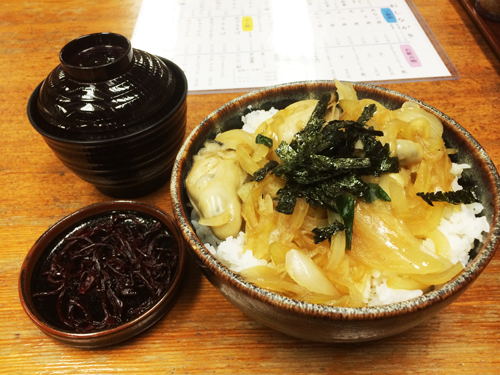
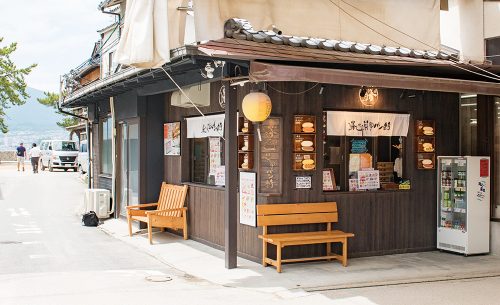
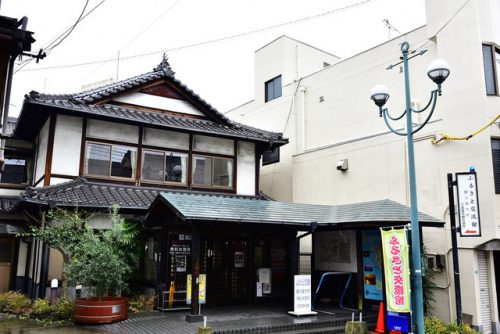
Tachibana, which is located on Miyajima’s Omotesando shopping street, is a teishoku (set meal) restaurant where one can feel a nostalgic air. The picture of a deer placed at the entrance serves as a marker for the store. Inside the restaurant, diners can eat Miyajima specialties such as conger eel rice, recipes made with Hiroshima-harvested oysters, and Japanese-style curry. The menu places a specific emphasis on oyster-based dishes like raw or grilled oysters in the shell, fried oysters, and oyster udon.
Moment of Joy
Visitors to Tachibana can dine on oysters or conger eel as a teishoku, which is a distinctive Japanese arrangement. In each teishoku there is a main dish like fried oysters, steamed white rice, tsukemono (Japanese-style pickles), and a bowl of clear broth, and eating these items together is a traditional way Japanese people take their meals. Also, since there are both areas for table seating and tatami seating, customers can also experience a Japanese style of eating while sitting in seiza (in a kneeling position, with one’s buttocks resting on one’s lower legs) on tatami mats.


- Open
- 10:00 - 17:00
- Closed
- Friday (other occasional closures possible)