Experience
Miyajima Traditional Crafts Center: Three Traditional Japanese Craft Experiences

Three Craft Experiences, Three Handmade Miyajima Souvenirs—One Stop
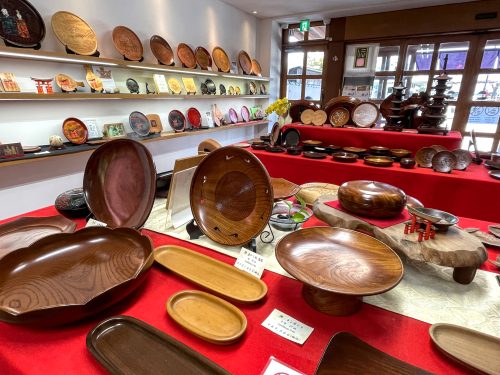
There are lots of souvenir shops on Miyajima, but Miyajima Traditional Crafts Center takes souvenir shopping to the next level. They let you make the top three souvenirs Miyajima is known for: intricate wood carvings, wooden rice scoops and momiji manju. What you bring home is not an ordinary souvenir. It is a cultural, hands-on experience rooted deep in the history of one of Japan’s most revered and iconic locations.
Traditional Woodcarving Experience
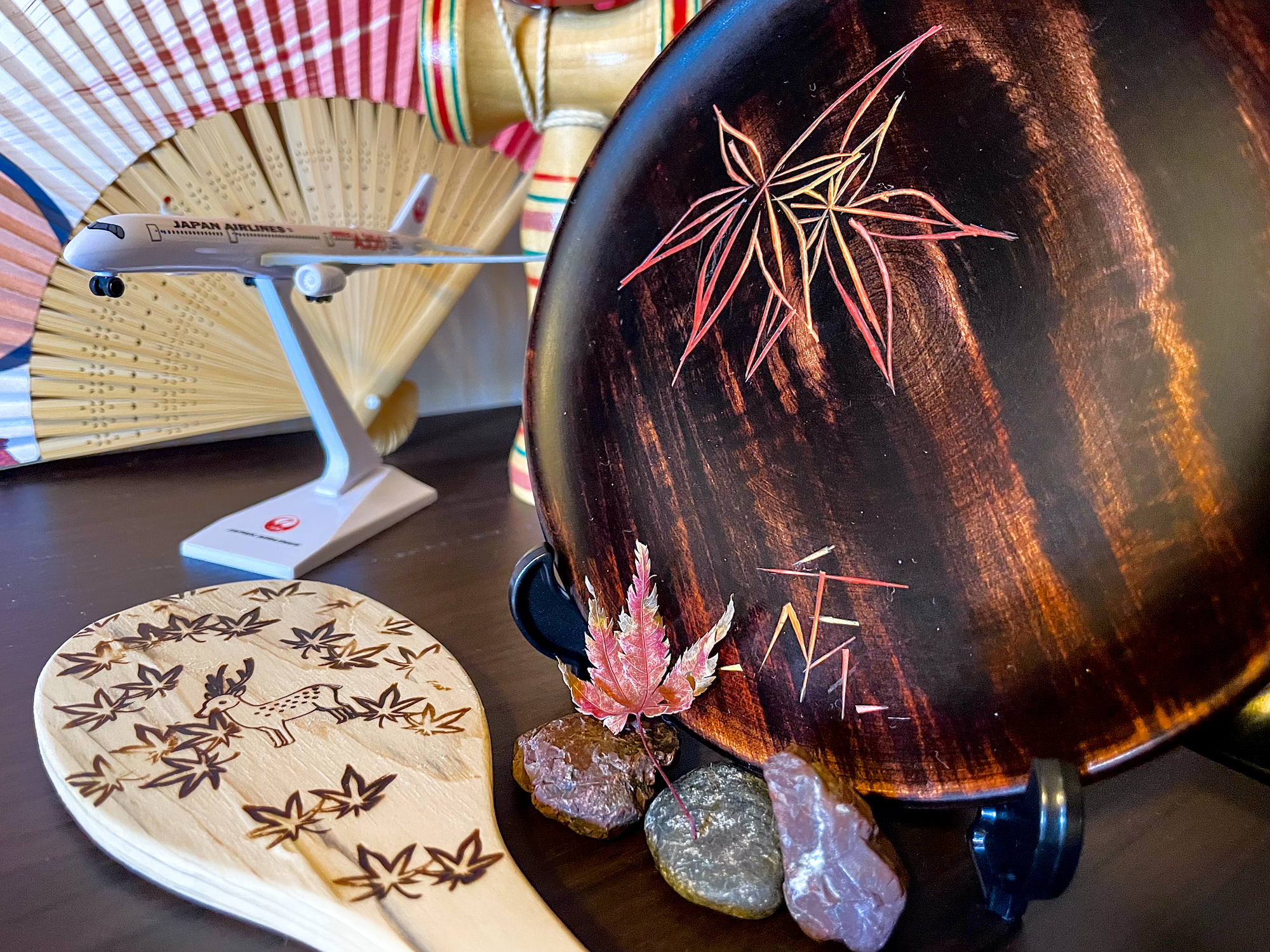
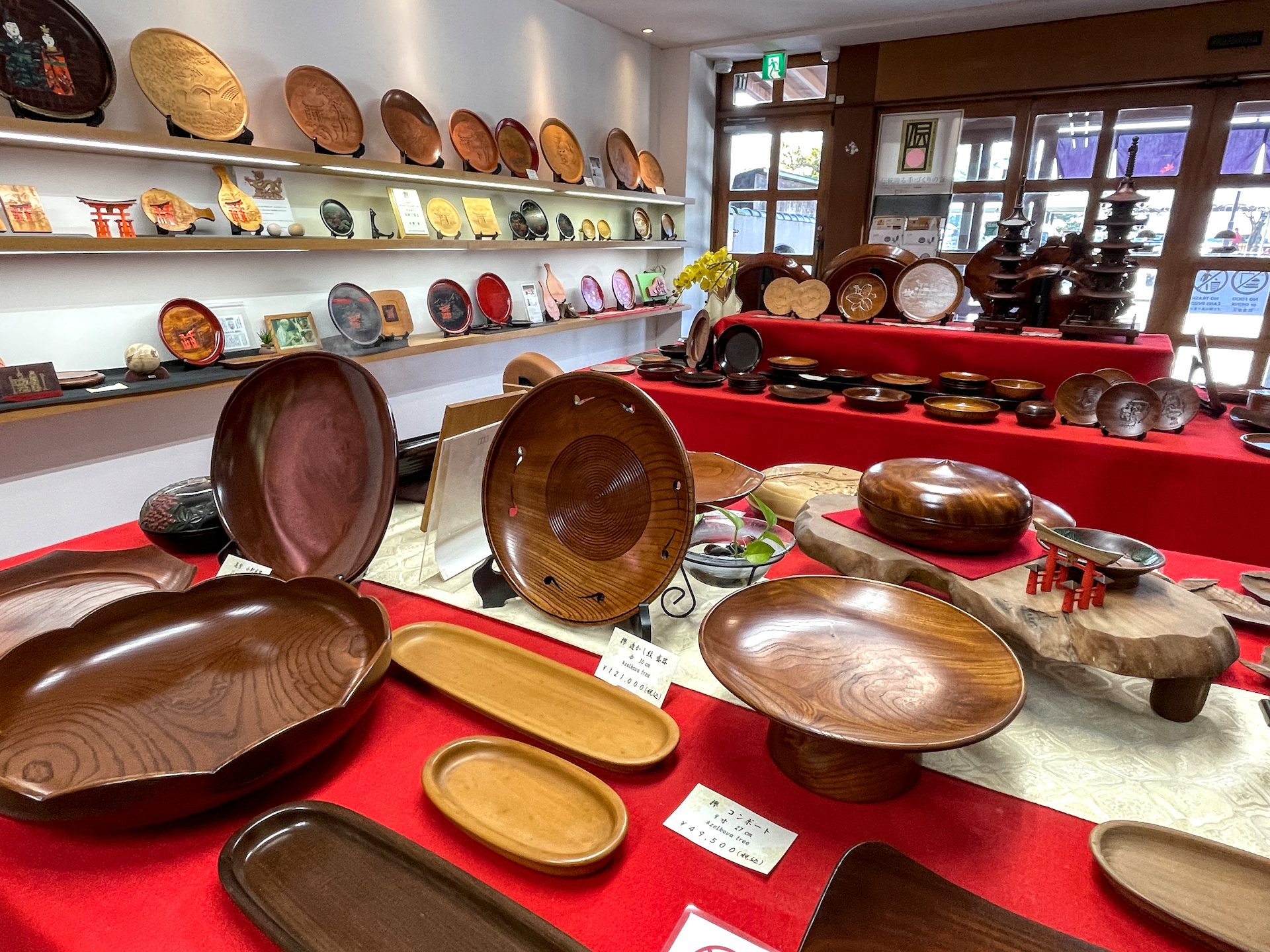
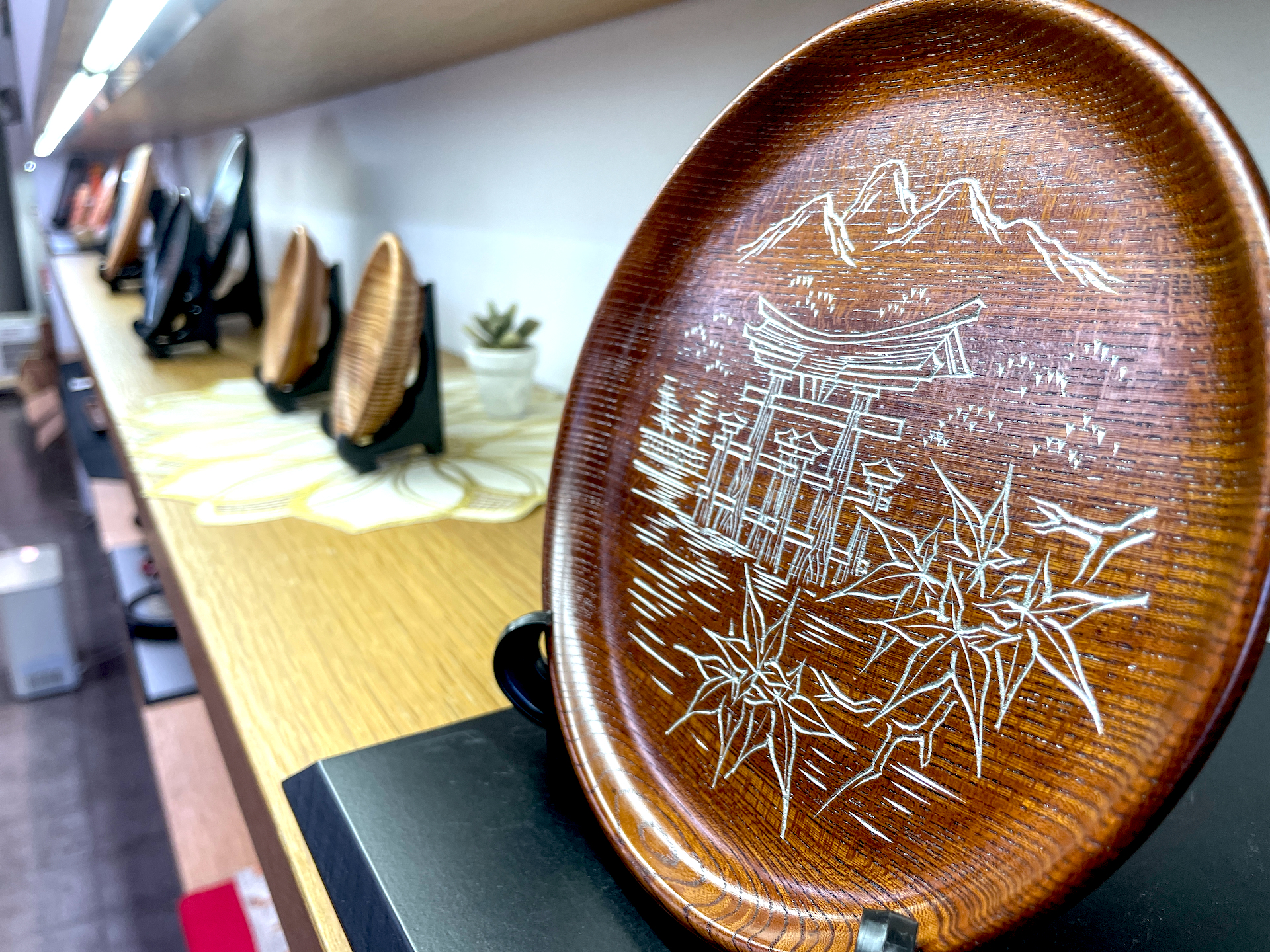
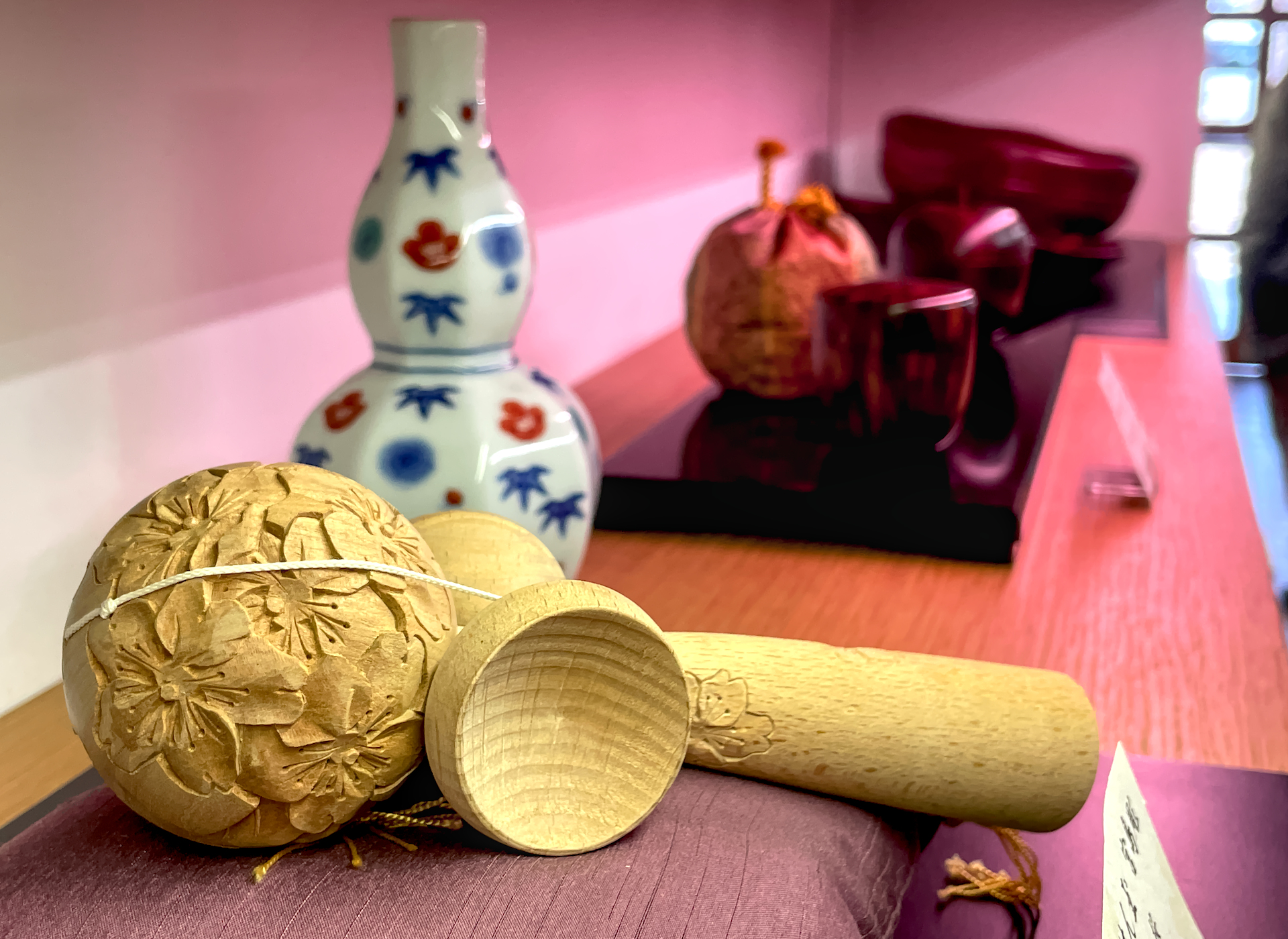
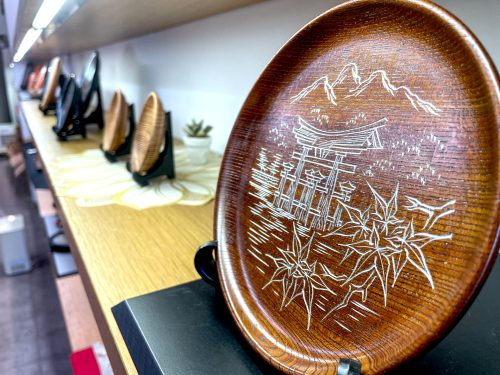
While exploring Omotesando Shopping Street, it’s common to see wooden plates in souvenir shops. They often depict intricate carvings of island scenes like the Great Otori. One style has a 3D effect so the image pops out of the wood. Another style is more understated with scenes cut onto the wood as if by calligraphy brush strokes and then filled with color. These techniques are part of Miyajima-bori woodcarving, the island’s more than 200-year-old wood carving tradition.
At Miyajima Traditional Crafts Center, you have the option of learning how to use the latter Miyajima-bori technique, called shizume-bori, to make your own locally-inspired souvenir.
¥2,750 buys a plain, varnished wooden plate that is 15 cm round. You’ll then be guided in how to carve it. To help are artisans like Hiroshi Ono whose work won the gold award at the 36th Miyajima Specialty Products Promotion Competition in 2010.
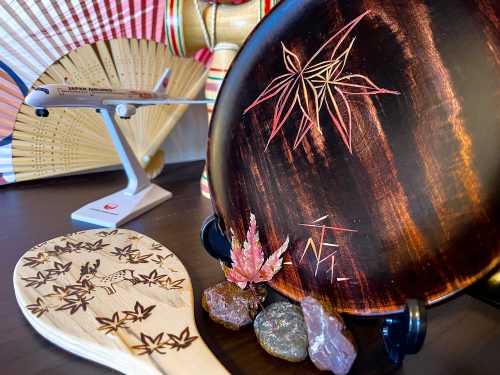
There is only one design available to carve: two maple leaves—a symbol of the island. While the pattern seems easy, this wabi-sabi design is not simple to execute with the precision seen in the art on the shop’s first floor. However, it is easy enough that someone with no woodworking experience can craft something they are proud of.
The whole workshop takes about an hour to complete.
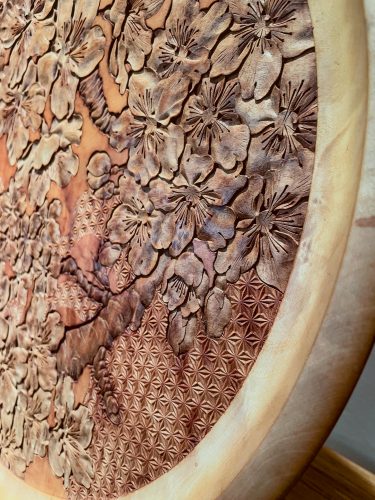
The level of detail in Miyajima-bori is exquisite. (Joy Photo / Michael Farrell)
Crafting Tip: Mix Colors
The carving process begins by transferring a pre-drawn maple leaf design onto the plate in the position you think is the most artistically appealing. This is done with a pencil and tracing paper. You’ll be given a brief lesson on how to use a V-gouge chisel (sankakuto in Japanese) and a wood block to practice. When you’re ready, you can begin slowly etching the leaves into the surface of the dish. This exposes the bare wood under the finish. The color in the design comes from traditional gansai watercolors. It’s perfectly normal to paint it all one color, however, for a more artistic and vibrant look, try mixing colors. Real autumn momiji turn a variety of colors as they transition. So consider trying a mix of greens, yellows, oranges and reds to make a leaf pattern that really pops.
Traditional Rice Scoop Making
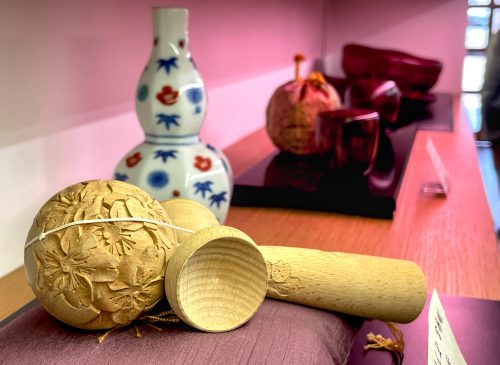
Miyajima is renowned in Japan for wooden rice scoops known as Miyajima shakushi. Some Japanese families will even drop the ending of the name and refer to these common kitchen tools as just “Miyajima.”
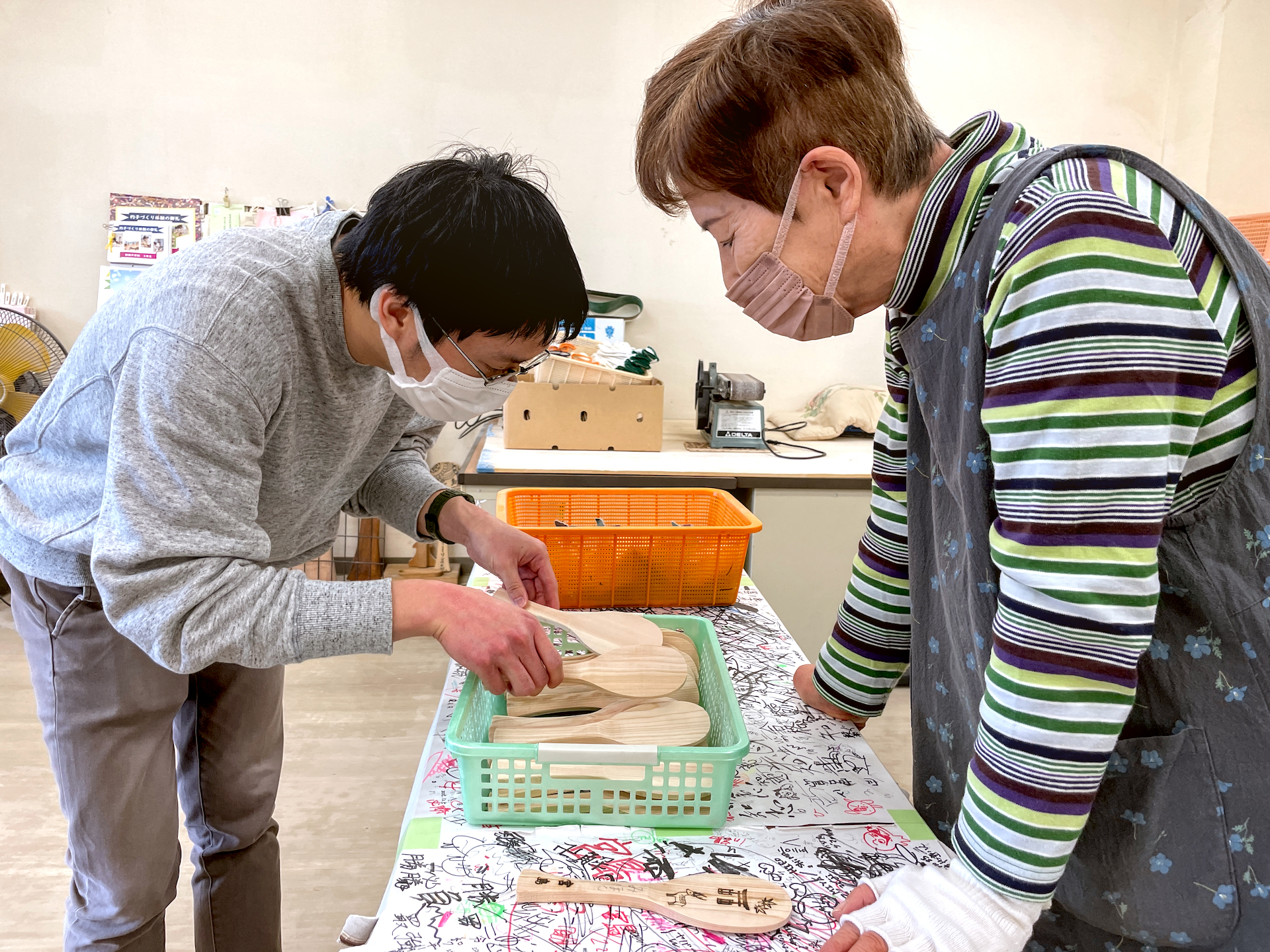
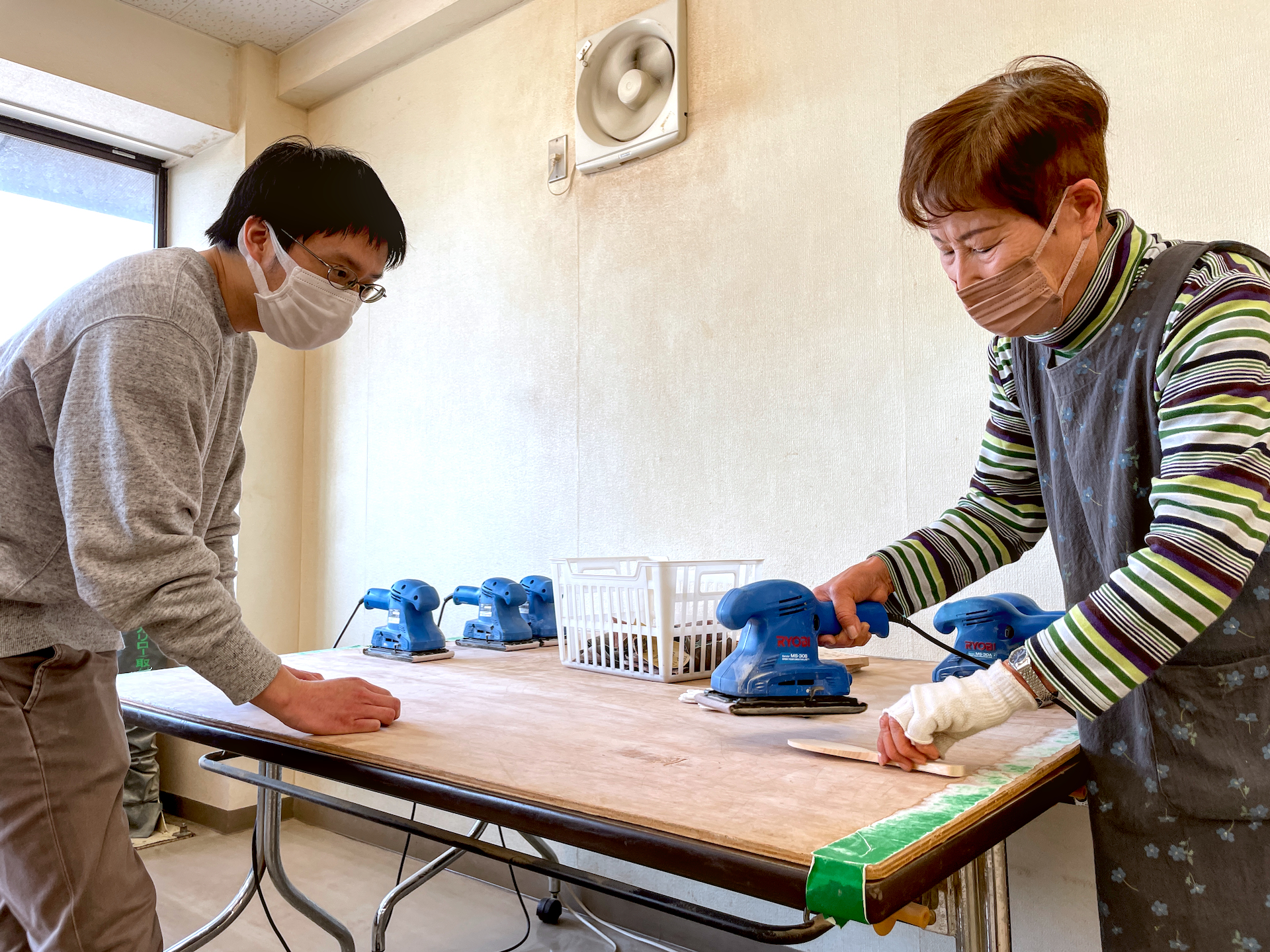
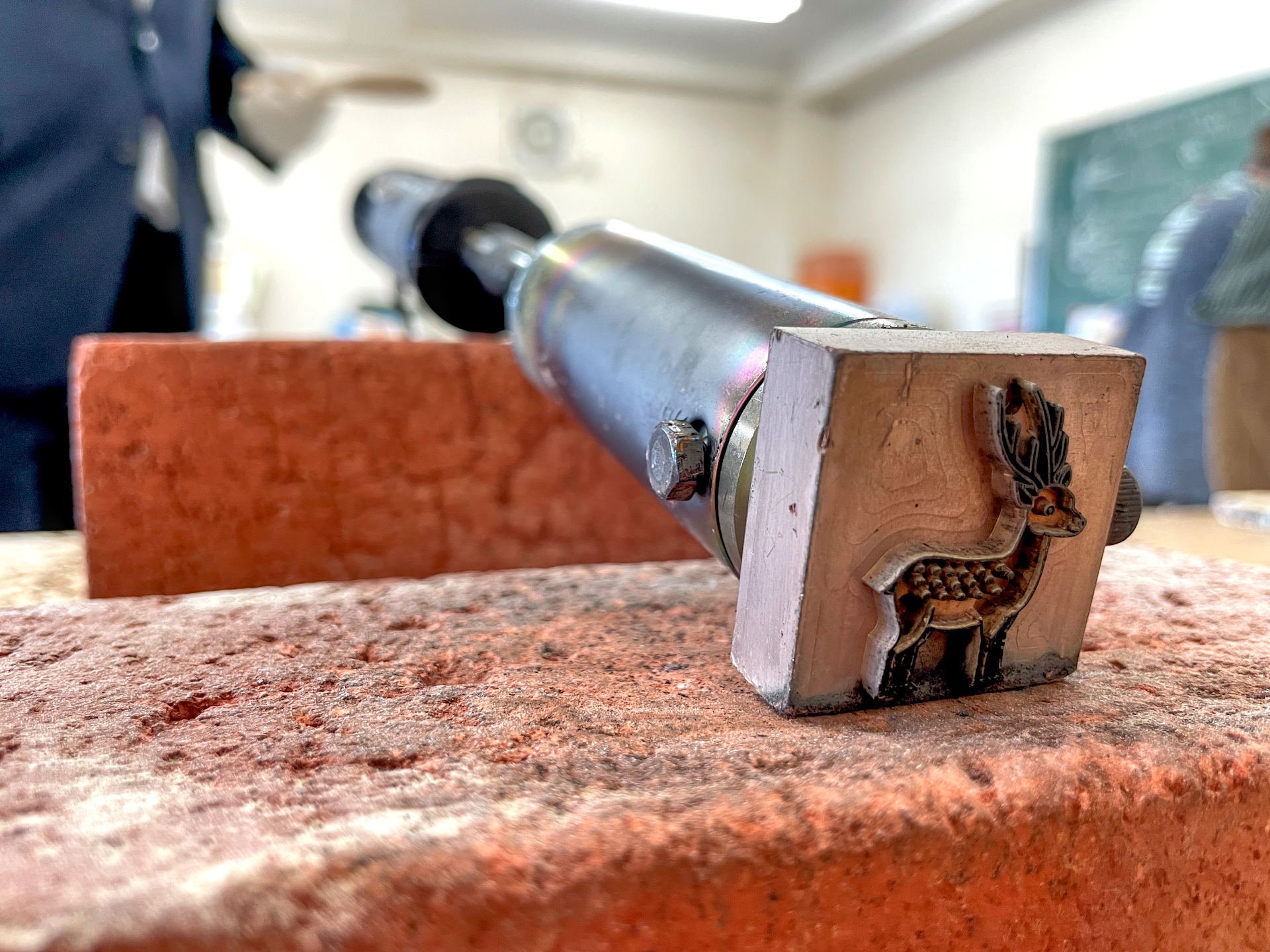
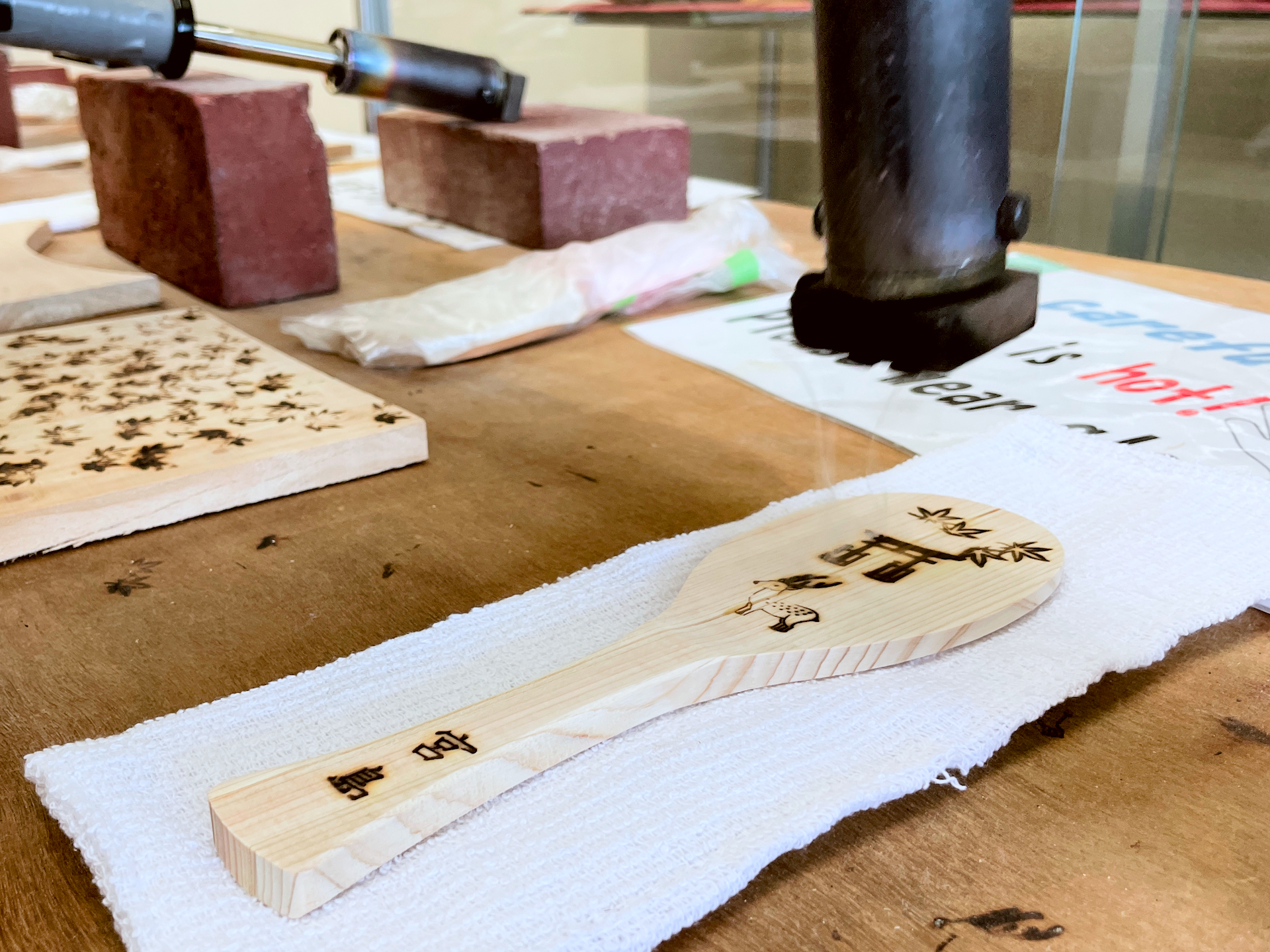
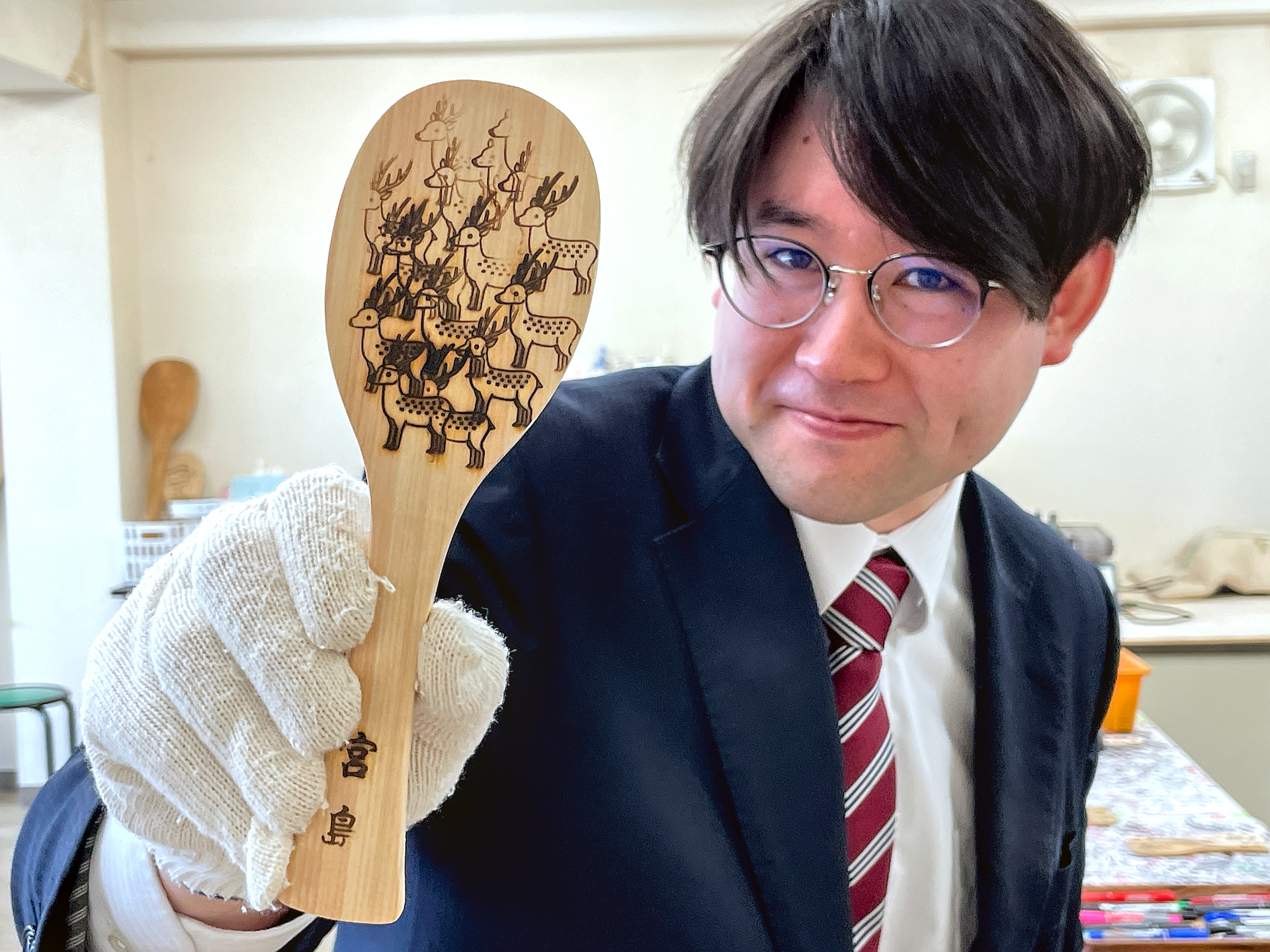
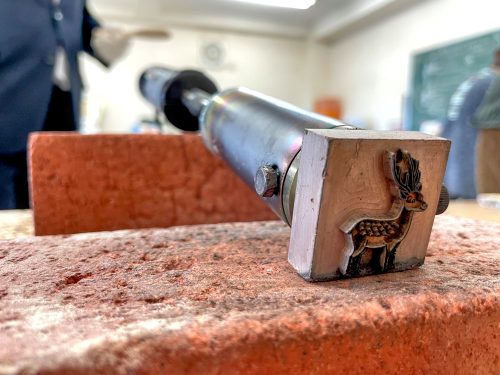
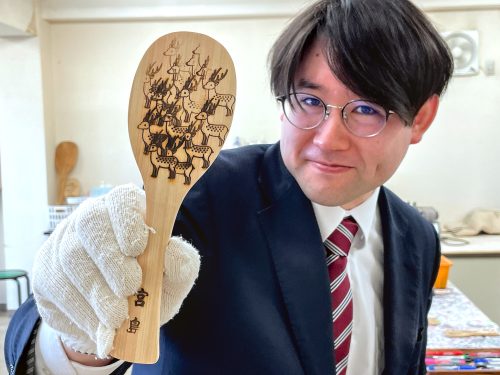
Miyajima Traditional Crafts Center gives you the opportunity to make your own Miyajima shakushi for ¥660. In the third-floor workshop, rows of hot, electric irons rest on red bricks, ready to burn designs. You are guided every step of the way towards crafting your own souvenir. Everyone gets a pair of gloves to keep hands safe from splinters and burns. Once hands are protected, you are walked through the process of turning a rough-cut wooden scoop into a decorative but usable kitchen tool.
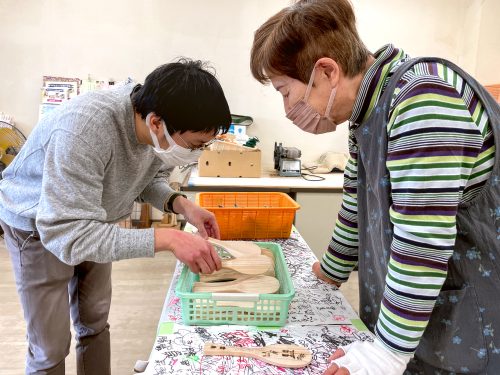
Visitors begin by selecting their scoop from a box filled with dozens of scoops. Each scoop has a unique woodgrain pattern with some standing out more than others. You can choose your favorite.
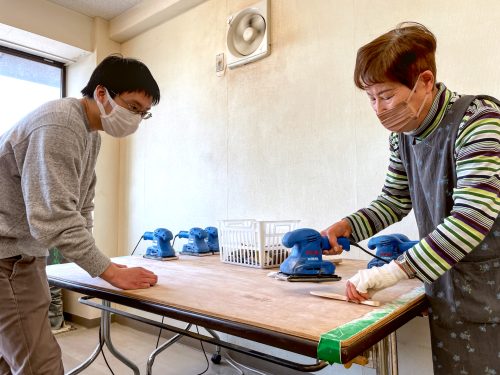
Next follows a sanding lesson: how to use a belt sander for the flat parts and sandpaper on the edges. Once the scoop is smooth, you are shown how to use a branding iron to personalize the scoop. Designs include maple leaves, deer, torii gates and the island’s name in Japanese characters.
The experience takes 30 to 45 minutes.
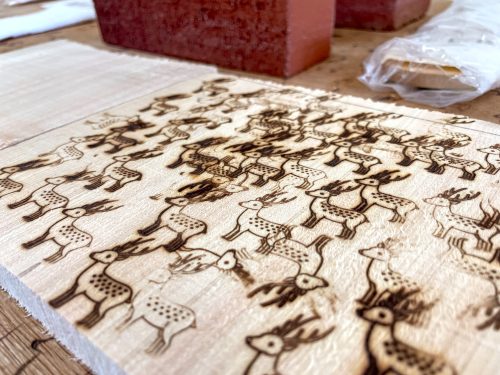
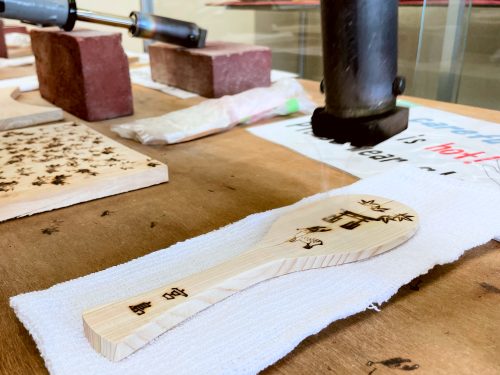
Leftover practice deer inadvertently decorate a piece of scrap wood at Miyajima Traditional Crafts Center. (Joy Photo / Michael Farrell)
Crafting Tip: Practice First
Decorating a Miyajima shakushi with hot irons makes a permanent mark. And using the irons is not as easy as it looks. If you press too lightly or off-center, the pattern will not transfer evenly. If you push too hard and wait too long, the iron will etch deep, dark marks that look more like burns and less like designs. Fortunately, the skill is easy to pick up with a little practice. And visitors can practice as much as they want on scrap wood before touching the scoop they take home.
Bonus: Cook Your Own Momiji Manju
The crafting experience at Miyajima Traditional Crafts Center doesn’t end with wood. They are partnered with Yamadaya, Miyajima’s nearly century old momiji-manju maker, to show travelers how to make the island’s famous maple-leaf-shaped pastry.
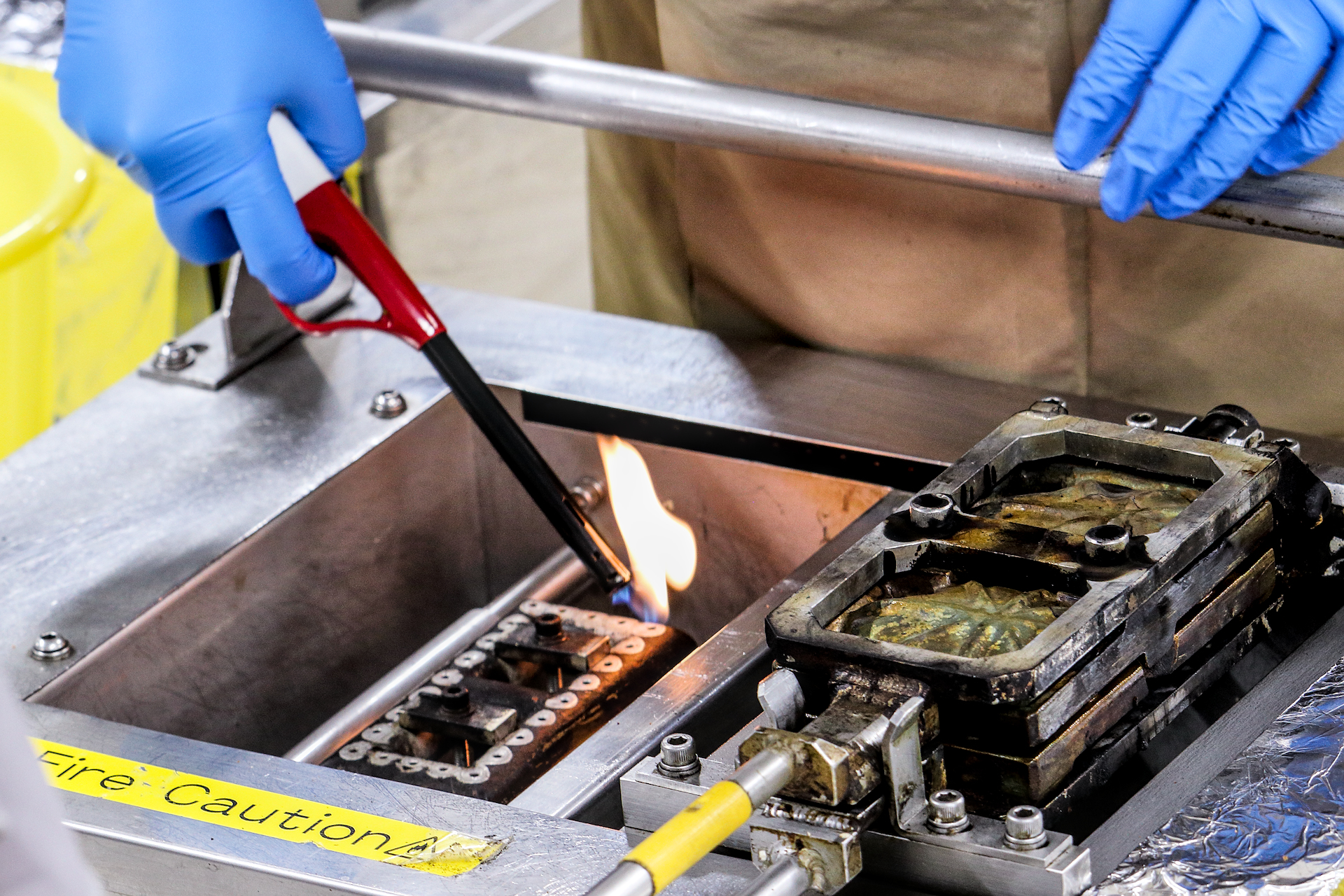
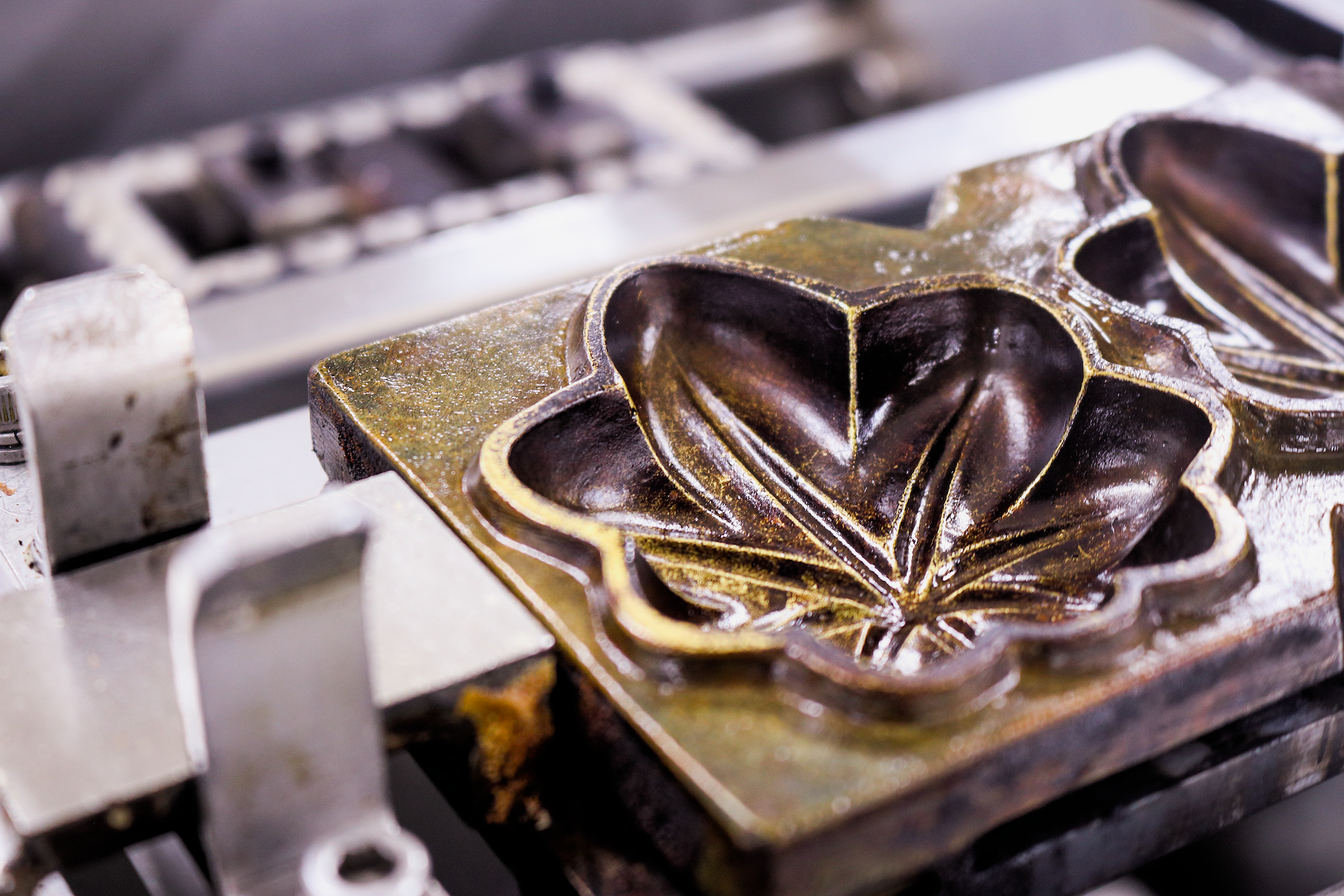
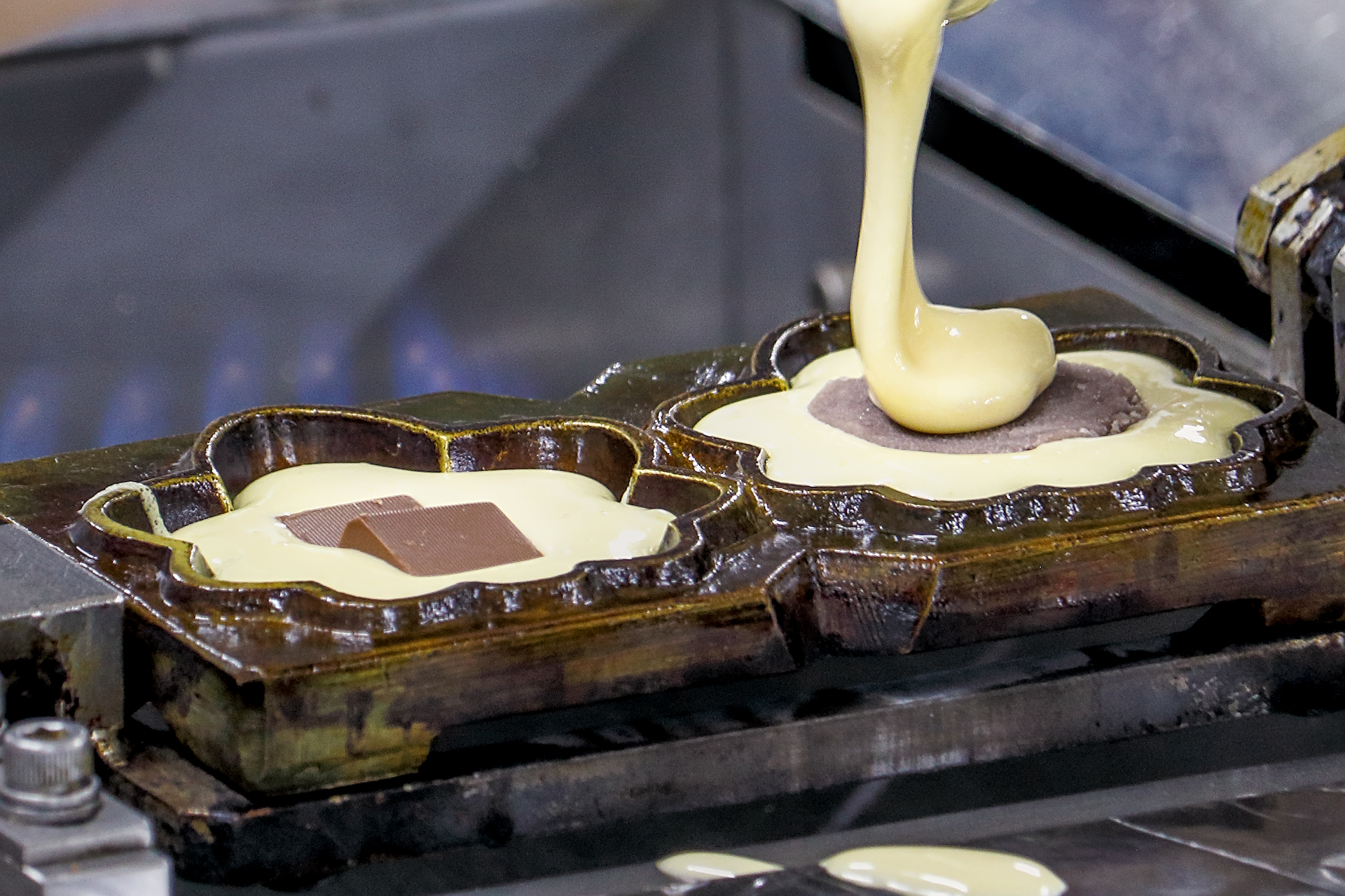
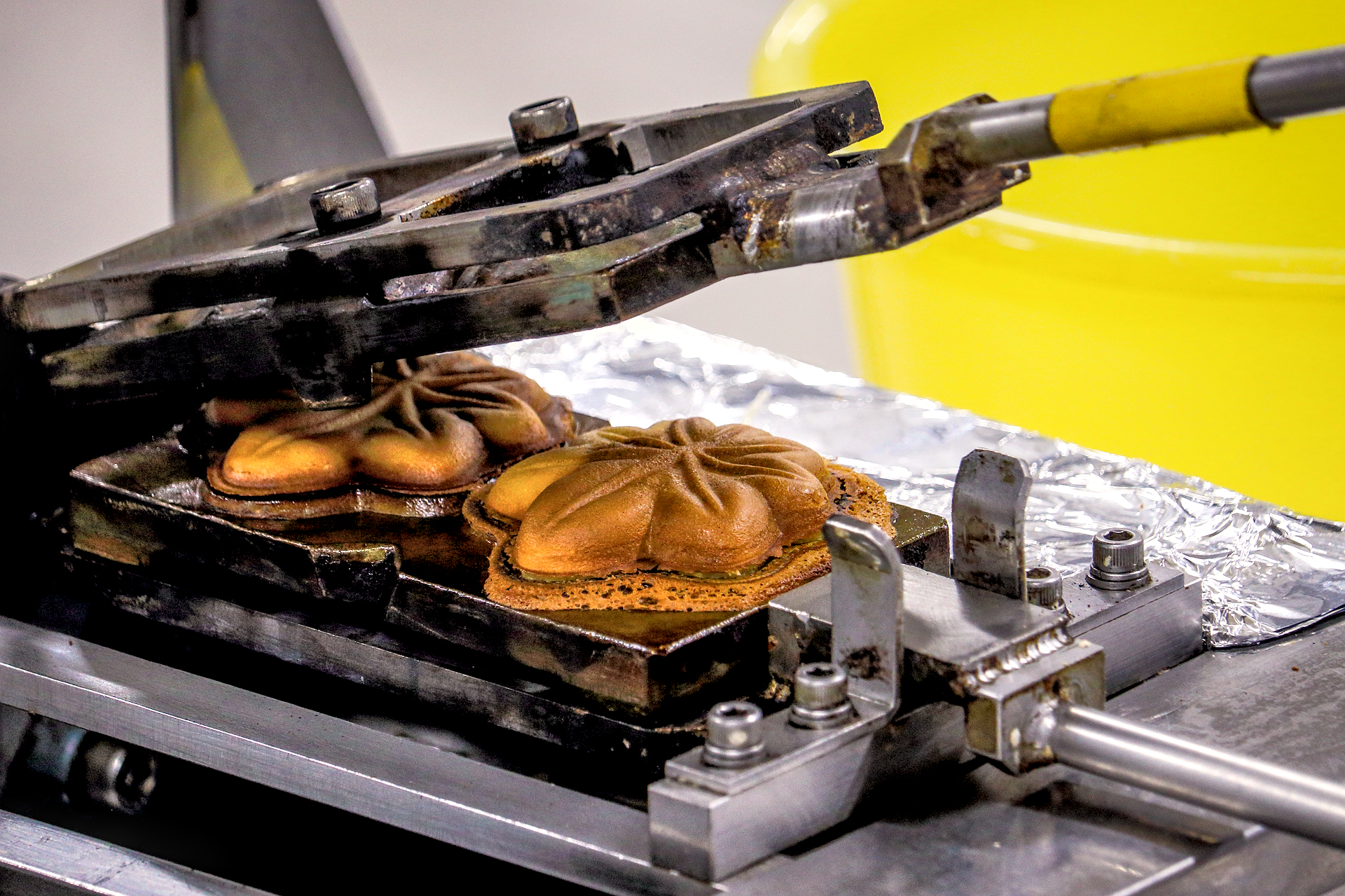
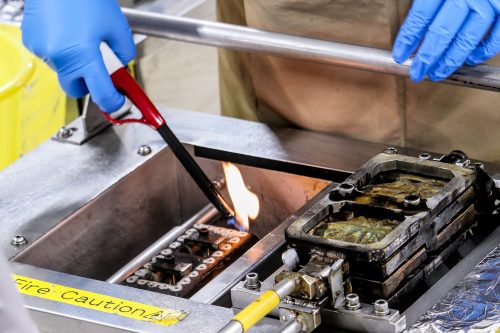
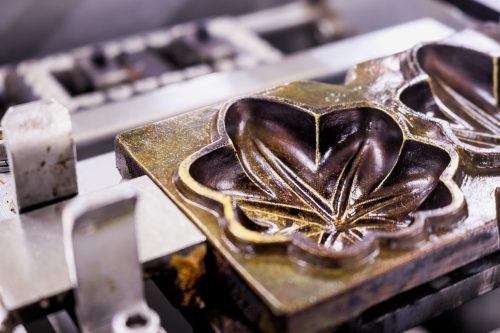
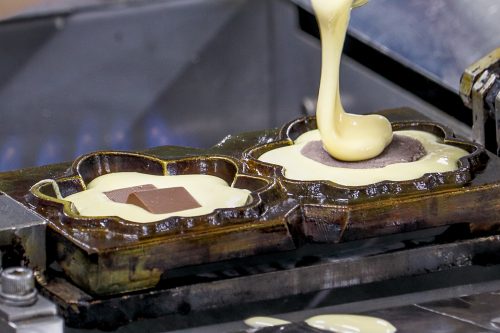
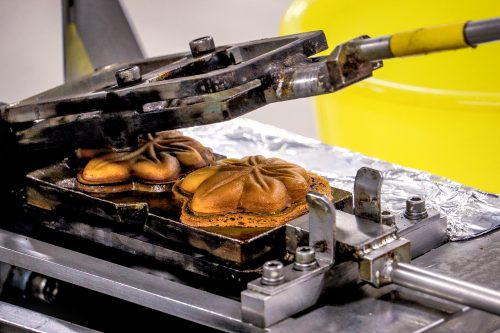
The instructor walks guests through how to use a manju yakigata, a twistable, cast-iron manju mold used to cook the pastry over a 170℃ (338℉) gas flame. Next to the yakigata is a ladle and bowl of batter made from a meringue mixed with wheat flour, egg, sugar, rice syrup, and a little water. A clock is under the yakigata handle to keep track of the time as you heat it up and cook. The iron mold has space to make two manju, each with a different filling: a bite-sized chocolate bar and a puck-shaped piece of Yamadaya’s homemade anko-paste.
Yamadaya makes 18 manju fillings. The workshop has a poster outside the room promoting all the varieties they make. However, the lesson is limited to the filling staples of chocolate and anko paste.
The 30 to 45 minute, family-friendly experience costs ¥1,000 and is open to young children as long as they are accompanied by a guardian.
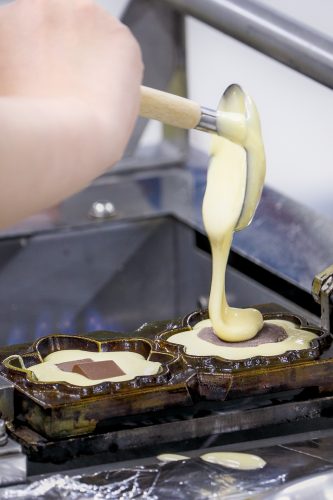
It can be hard to get the batter amounts right, but it does not affect the final product. (Joy Photo / Michael Farrell)
Crafting Tip: Don’t Stress About the Batter
While the process of making momiji manju is straightforward, getting a perfect manju out of the iron is more challenging. The most difficult part is balancing how much batter surrounds the filling. After heating up and greasing the iron, you pour in the first half of the batter and place the filling on top. However, matching the same amount of batter on the top side isn’t so easy. There is good news, though. Even if your filling isn’t perfectly centered like the ones from the shop, it won’t affect the taste or the look.
Momiji manju are perishable treats and have to be eaten the same day to be enjoyed at peak freshness. For maximum enjoyment, Yamadaya recommends eating them as soon as possible. There are some benches and chairs across the street from the shop, the suggested area to enjoy the treat. The difference in taste between freshly cooked manju and prepackaged ones is comparable to cookies fresh out of the oven vs. the bakery case.
The History Behind the Craft
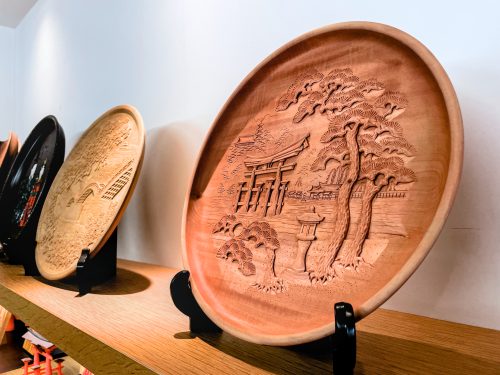
The techniques that evolved into Miyajima-bori were brought to the island during the Kamakura period. (Joy Photo / Michael Farrell)
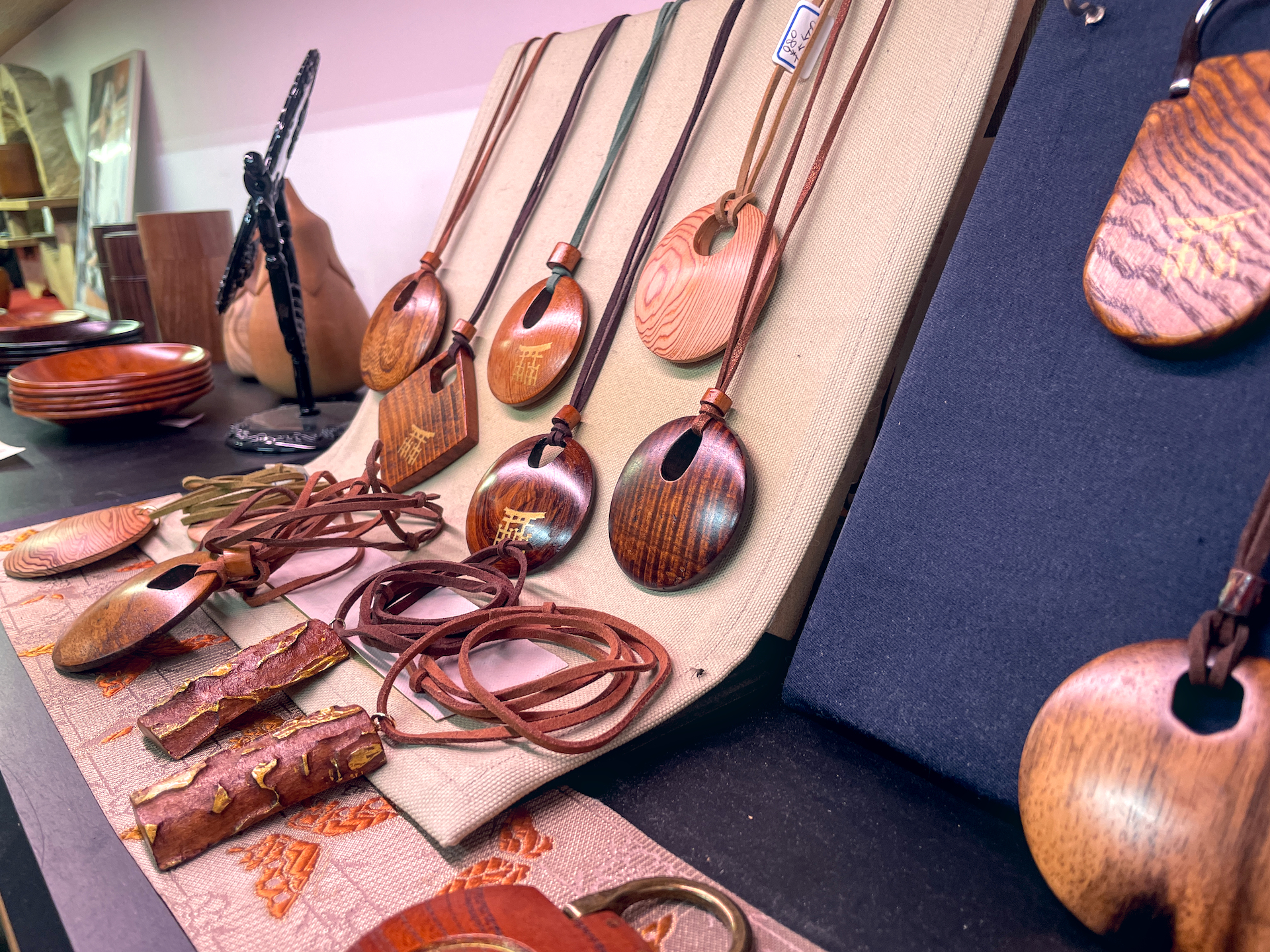
The over 200-year-old traditional wood crafts of Miyajima are collectively called “Miyajima Zaiku.” Known for both intricate patterns and a beauty that flows from artful utility, Miyajima Zaiku is a formally designated traditional craft recognized by the Japanese government in 1982.
It is a collection of three distinct techniques: shakushi (rice scoop) carving; rokuro zaiku, a woodturning technique; and Miyajima bori, a style of relief woodcarving that makes images pop out of the wood.
The techniques were brought to Miyajima by shrine carpenters and cabinet makers sent from Kyoto and Kamakura by Taira no Kiyomori. In 1168, the late Heian period military leader who worshiped at the shrine, sent the craftsmen to rebuild and expand Itsukushima Shrine. It was updated in the shinden-zukuri style common in the nobility’s homes of the period. These techniques were refined into an art in the 1800s fueled by the ample forests of nearby Hatsukaichi, which even today is known as “The City of Wood.”
Getting There
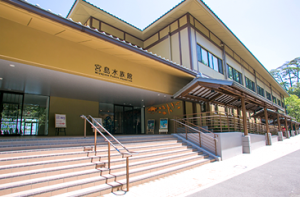
Miyajima Traditional Crafts Center is a two to three minute walk from the ferry terminal. Turn left on the main road as you leave the terminal. You won’t walk far before you’ll see the craft center across the street on your right.
Recommended Stops Nearby
Some of Hiroshima’s best restaurants are Miyajima restaurants. Try Cuilere for Japanese takes on Italian pasta featuring local ingredients like maitake mushrooms and Hiroshima oysters. If you want to experience the origins of Hiroshima’s most famous seafood, the oyster, Yakigaki no Hayashi was the first restaurant to serve grilled oysters on Miyajima over 70 years ago.
More Great Crafts in Hiroshima
If you’re into making your own souvenirs, SEND Hiroshima near Hondori covered shopping street has workshops where people can craft their own scented, botanical candles. For more local cooking lessons, visit Okosta Okonomiyaki Cooking Studio to make your own okonomiyaki, Hiroshima’s signature dish.
Moment of Joy
Fresh Cooked Manju
Having lived in Hiroshima since 2016, Joy in Hiroshima’s editor, Michael Farrell, has eaten a lot of momiji manju.
Having a bit of a sweet tooth, he’s tried them from shops in both Miyajima and neighboring Hatsukaichi as well as Hiroshima City. He’s tried a dozen fillings and bought them from both local supermarkets and small, artisan-quality shops.
Yet after making his own momiji manju at Miyajima Traditional Crafts Center and eating it while it was still hot, he came to the following conclusion: fresh-cooked is the best way to enjoy momiji manju.
Some videography by Hiroshima_Lunchsan (Japanese IG / English IG)
Written by

Michael Farrell is a reporter and editor who began traveling the world in 2010. His publishing career started in New England, first at the Gloucester Daily Times and later as a copy editor with boutiq…More