Eat
Tempura Shokudo Tamaru – The Hiroshima Farmers’ Choice

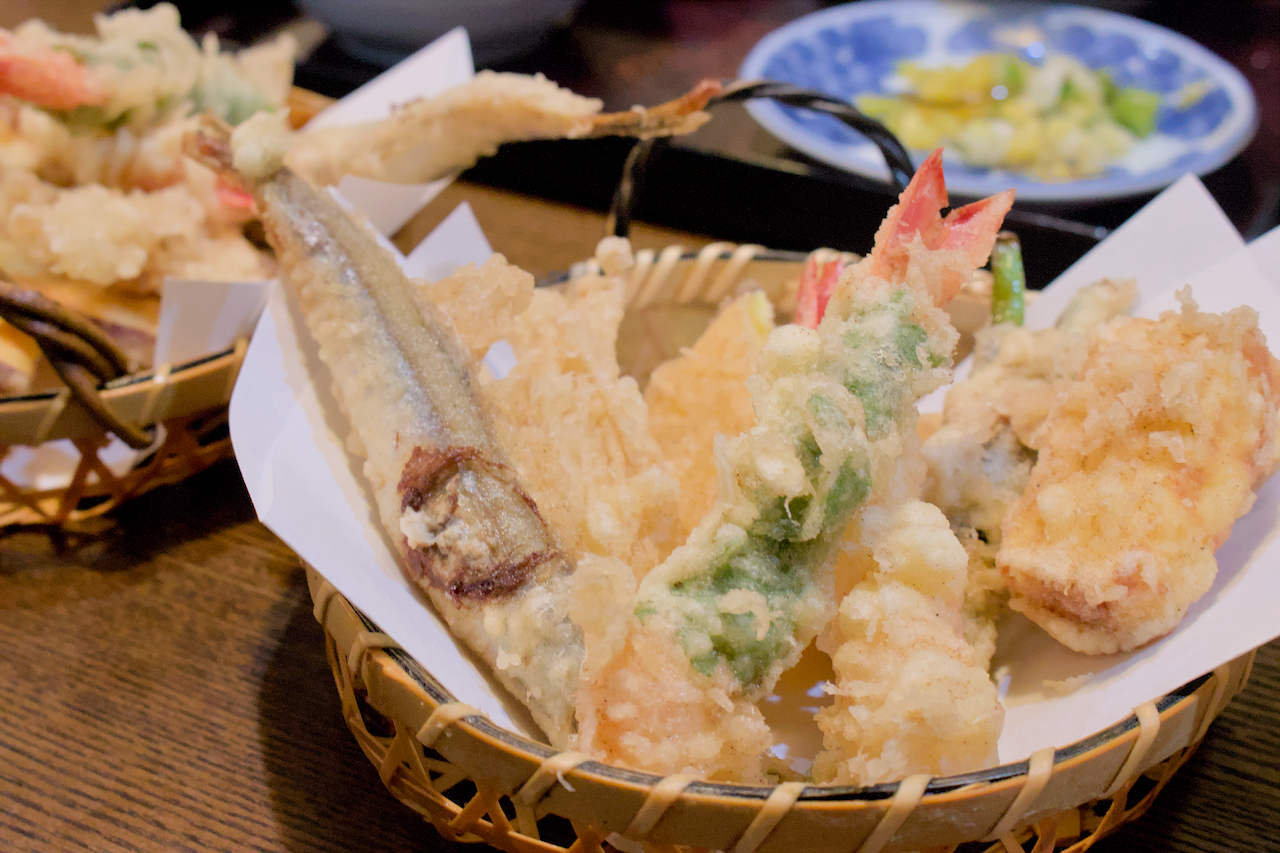
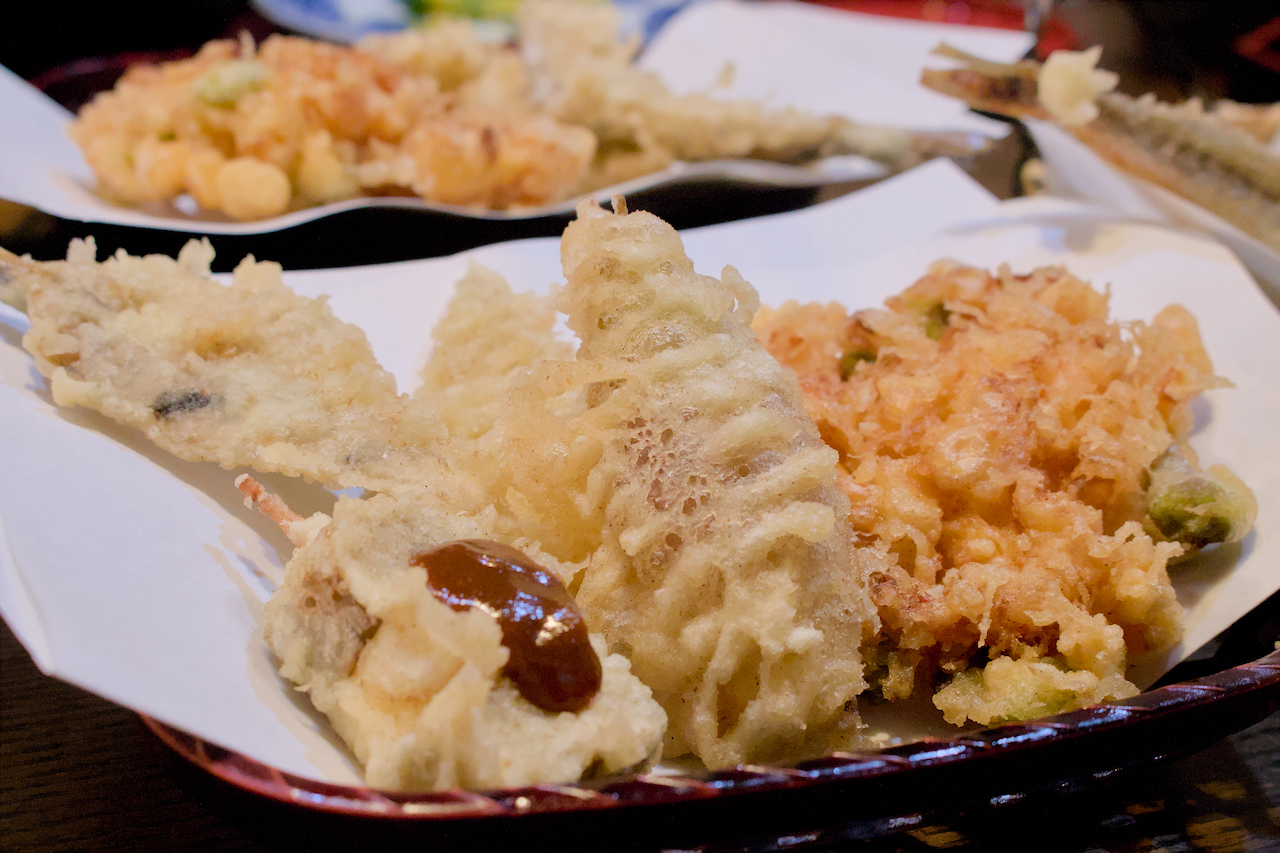
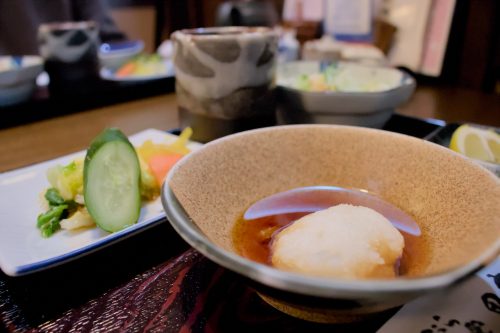
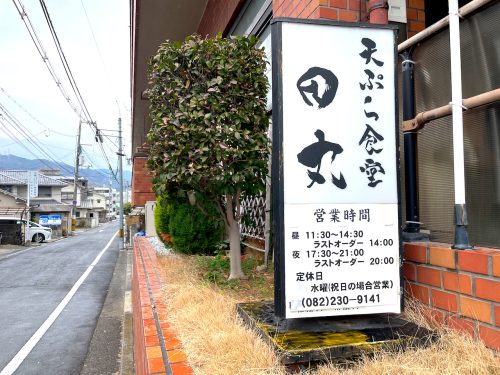
Support local farmers in Hiroshima at Tempura Shokudo Tamaru, a locally-sourced, traditional tempura shop led by a chef fighting for reasonable prices and small farmers.
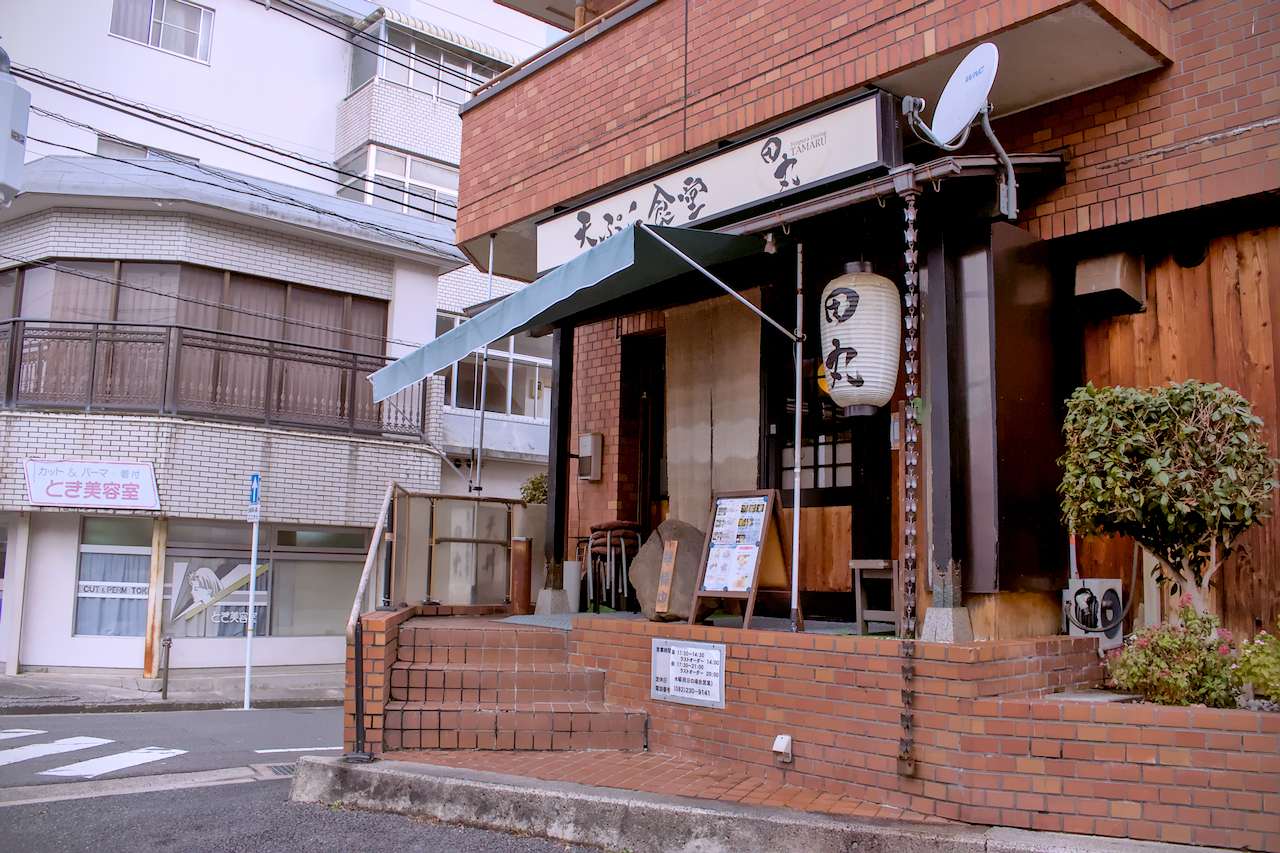
Tempura Shokudo Tamaru is an established tempura shop popular with Hiroshima’s locals. Located in the quiet Oshiba neighborhood north of Yokogawa Station, Tempura Tamaru is off the beaten path for checklist tourists deepening the route between Peace Park and Miyajima, but for those looking for authentic, local food culture, it is an essential stop.
A Principled Veteran Chef
Led by chef/owner Seiichi Saito, Tempura Tamaru fries up some of the most competitive tempura in the city. Saito uses his own unique blend of light sesame, cottonseed and rapeseed oil to create light and crispy tempura that doesn’t weigh your stomach down. His personal batter recipe completely covers the main ingredient without oily pockets. And he personally sources the best local produce for his tempura.
Though the shop opened in 2006, Saito has been making tempura for over 40 years. With the exception of shiitake mushrooms, he tries to buy his produce from local farmers as much as he can. Hiroshima grows a lot of fine fruit and vegetables, but it is not known for high-quality shiitake mushrooms.
Fighting for the People
As a former vegetable farmer himself, he not only has a deep understanding of produce but the struggles of farmers to make ends meet. Because of this, he works to build community support for Hiroshima’s farmers.
He is also deeply committed to his customers. In fact, with the recent rises in food costs, he has been absorbing these increases instead of raising prices. According to Saito, most Japanese restaurants try to keep their resource costs under 30% of their total revenue. However, with ingredient costs now pushing 50% of his revenue, he is working long hours with a skeleton crew to keep the price down.
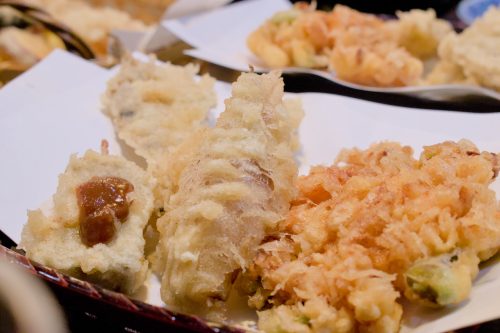 Uniquely Japanese Flora & Fauna on the Menu
The seasonally changing menu is diverse with local vegetable and fish names most Westerners will have to Google to understand. And even then, many items are just not well-known in the West except by chefs and connoisseurs. For example, you might find konyaku, a vegetable gel made from a plant in the same family as peace lilies, but unlike the poisonous lily, konyaku is very healthy and supports healthy blood-sugar levels. Myōga buds, a relative of ginger with a floral pungency, is another unique vegetable fried at the shop. You might also find small coastal fish like shishyamo and sayori—both mild and slightly sweet in flavor.
Around New Year’s, they had Japanese holiday foods like kuwai (a bluish-green rhizome that resembles a mushroom), kazunoko (Pacific herring roe), ginnan (ginko nuts) and yurine (a variety of non-poisonous lily bulbs that look like white artichokes with a name that is pronounced with three syllables not two.)
These foods may sound unusual to outsiders, but are seasonally available in Hiroshima’s markets. The chance to enjoy them is an opportunity to appreciate what many locals eat at home or at restaurants during select times of the year.
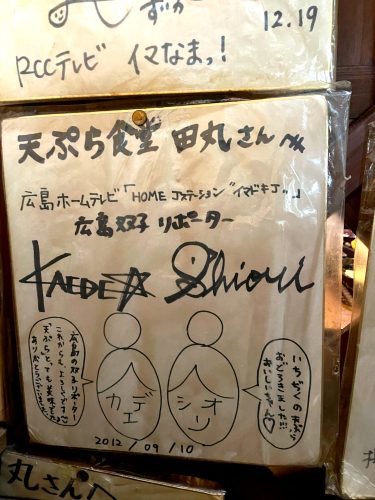
One of the signatures by the door to Tempura Shokudo Tamaru. The board is signed by twin reporters, Kaede and Shiori, who visited with Hiroshima Home TV in September 2012. They complement the shop’s tempura with special attention to their seasonal fig tempura. (Joy Photo / Michael Farrell)
Chef’s Recommendation: Everything
When asked what he recommends, Saito confidently recommended everything. However, for the best value and an experience guided by the chef, the tempura set or course meals are his top recommendations.
Tempura Set & Course
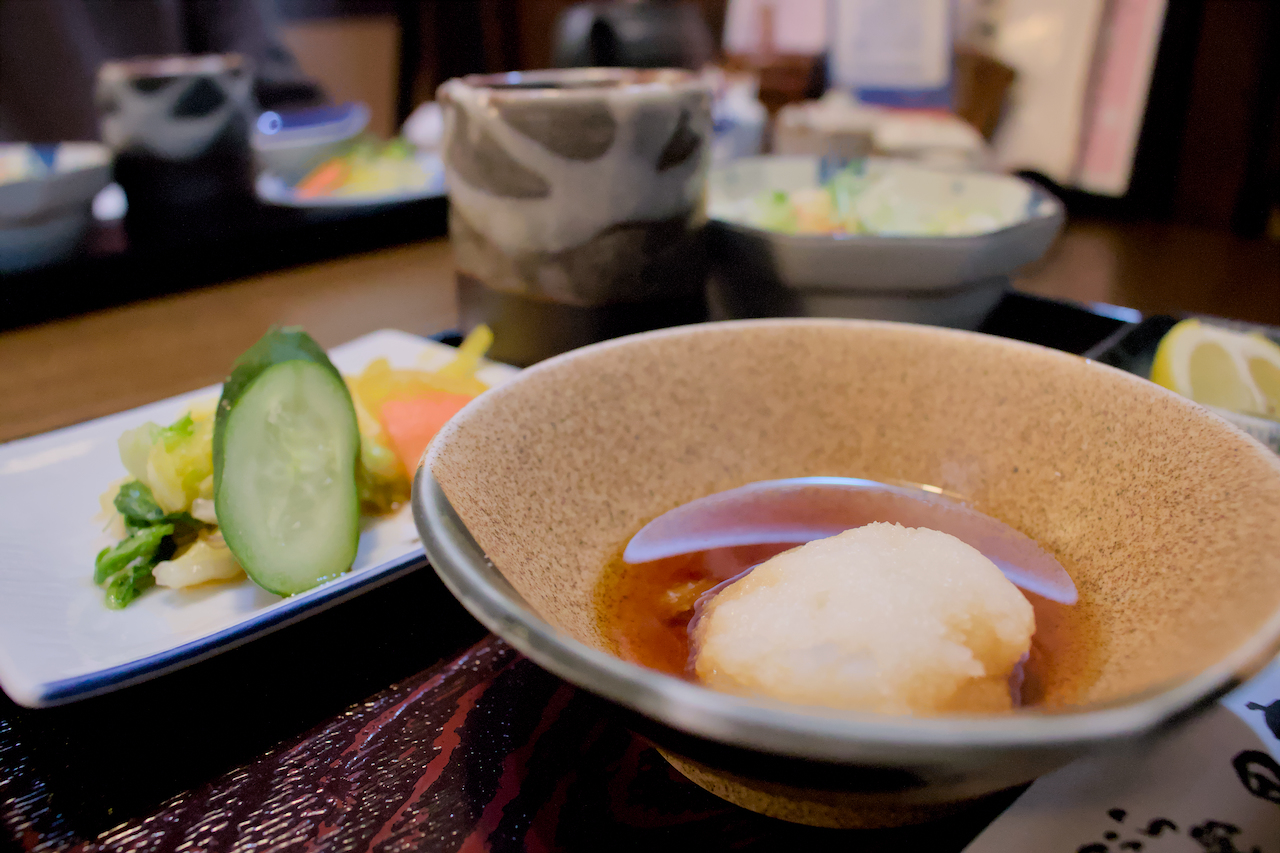
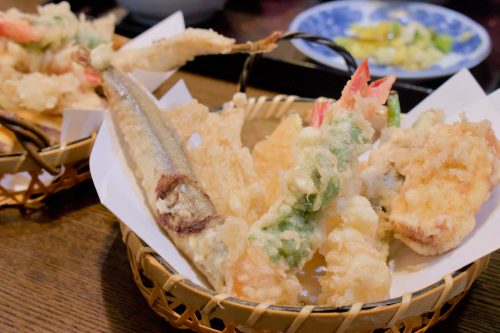
The lunch set meal (hiru teishoku 昼定食) includes two kinds of shrimp, a fish and four to five vegetables. It comes with homemade tsukemono (pickled vegetables to cleanse the palate and add variety between bites), red miso soup, and a salad.
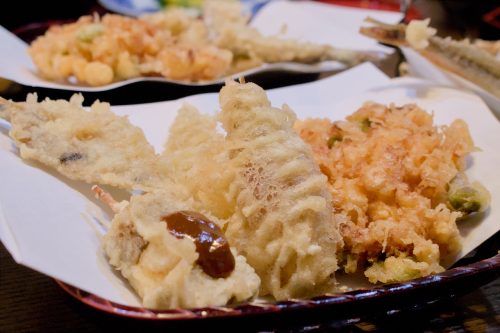
The course meal (hiru cōsu 昼コース) expands on this with an additional kind of fish and kakiage (a mix of vegetables and batter that resembles a fluffy patty). The exact kinds of fish and vegetables change with the seasons.
Free Rice Refills
And both the set and course meals come with a dipping sauce and free rice refills.
The price of rice has more than doubled in Japan since 2020, so Taiga Nishimura, a Hiroshima local eating at Tamaru commented, “That’s incredible, because rice is expensive these days.”
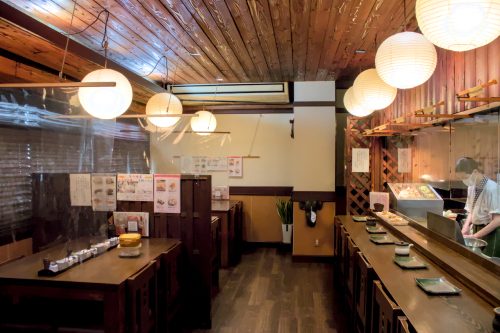 Cozy, Traditional Japanese Dining Room
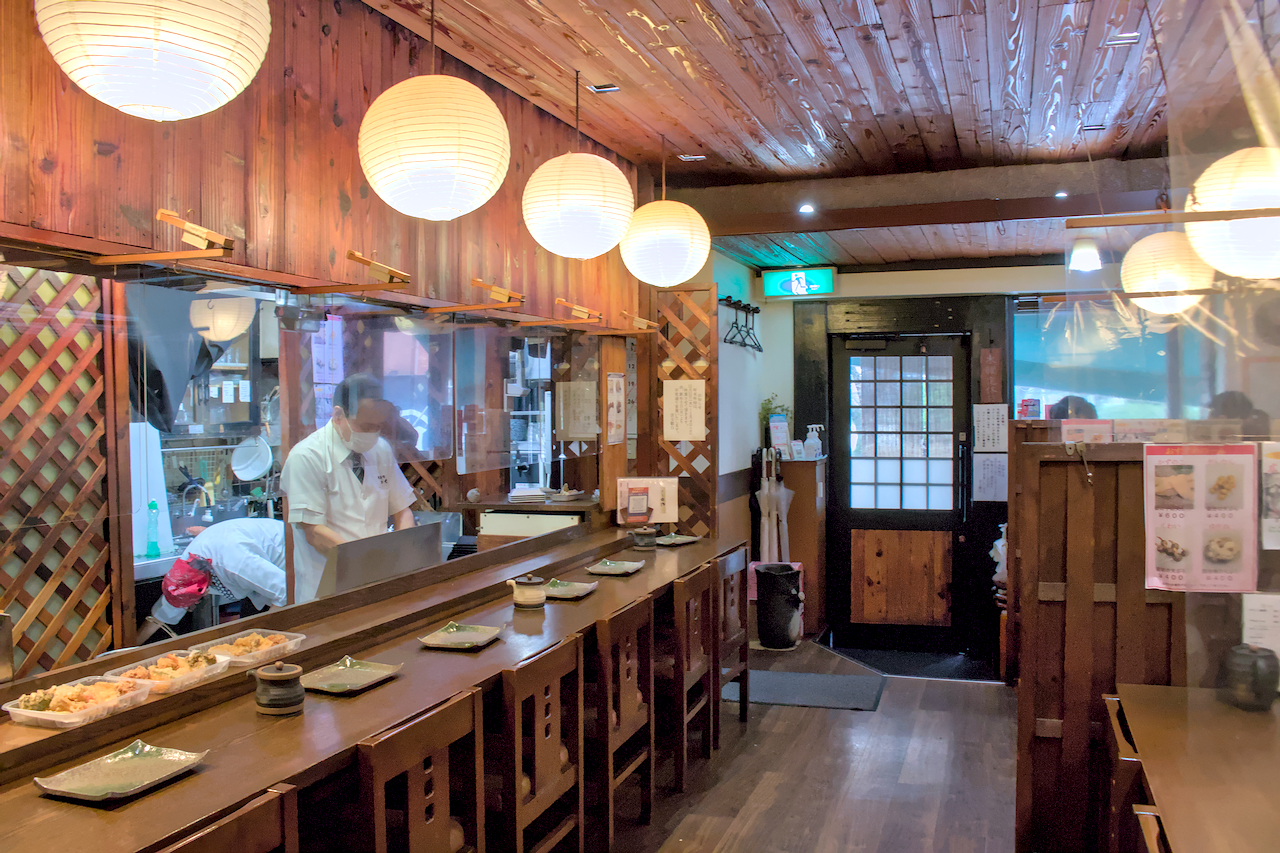
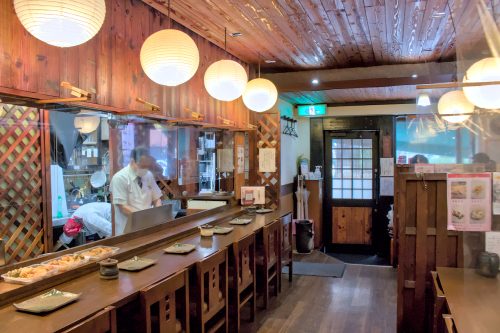
The interior of Tamaru is compact by Western standards, and seats about 20 diners. One table seats four adults elbow to elbow. The lighting is low and the style feels very traditional with pleated cloth blinds and paper light fixtures and lots of exposed wood. The open kitchen takes up a third of the space in full view of diners who can watch Saito and his team diligently at work.
20 Years of Excellence
Tempura Shokudo Tamaru is a contender for the best Tempura in the city. Since opening, it has not just attracted long lines on weekends, but also dozens of local TV crews and personalities whose collected signatures you can read on the wall next to the register.
Commitment to excellence is in Japan’s cultural blood. You can see it in dramatic display in any Shonen Jump manga with protagonists determined to excel—DragonBall, One Piece, My Hero Academia, etc.
Saito who has spent the last 40 years honing his craft is emblematic of this trait. When asked about his tempura batter by Hiroshima Home TV he replied, “It took me about 30 years to come up with a batter that I was satisfied with. But I think there’s still a long way to go.”
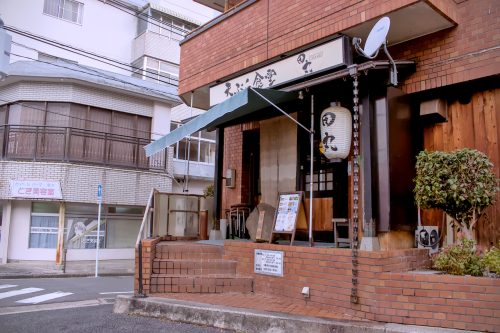 Getting There
The easiest way to get to Tamaru is from Yokogawa Station—two stops West of Hiroshima Station. From Yokogawa Station you need to exit on the south side and walk to the Yokogawa Station bus stop. It is about a five minute walk down the road that leads up the station. You need to stay on the right side of the street. Take bus 72-7, 70-1, 70-3, 73-4, or 73-9 to Omiya. A bus comes every five minutes.
When you get off, you’ll find a less developed area without any sidewalks. Backtrack to the intersection and cross heading east. Continue walking straight for about 5 minutes. Tamaru will be in the corner building at the end of the road on your left.
Make a Half-Day Trip
Tamaru is down the street from Hiroshima Toyopet Mobility Park, a family-friendly, Sunday-drive style go-kart course through a mock city. And it is a 12 minute walk from Mitakiso, one of the few wooden buildings to survive the atomic bomb, now a wedding hall and venue for elegant kaiseki dining.
For an afternoon trip in Oshiba, start at Tamaru for lunch, spend the rest of the afternoon driving go karts for ¥100 to ¥150 a round. They have two carts of differing speeds. The park also sits next to grand views of the Ota River with nearby jogging paths.
Then enjoy a refined evening relaxing at Mitakiso which has one of the best Japanese gardens in the city and a cocktail lounge with early Showa era class.
Try the Hiroshima Tempura Tour
Consider exploring more styles of tempura in Hiroshima. While Tamaru is traditional with set courses, Tempura Suehiro, near Hondori, intentionally breaks that mold. It treats individual tempura as à la carte dishes and pairs them with alcohol. The experience is like a yaki-tori shop but with tempura.
Continue your Hiroshima tempura tour at Yamafuji near Hiroshima Castle. Although it is a handmade Sanuki udon shop, its tempura is unlike anything in the city. Large pieces are fried in a thick and flavorful batter. Not heavy or greasy, they pair well with the shop’s noodles.
Moment of Joy
Four Kinds of Tempura Donburi
Tamaru also has tempura bowls. They do not come with free rice refills. However, they do feature four distinctive kinds of tempura.
You can choose from: kakiage (kakiage tendon かき揚げ天丼), shrimp (ebi tendon 海老天丼), conger eel (anago tendon 穴子天丼) and the deluxe version, (Jō tendon上天丼)—which has a little of everything.
Written by

Michael Farrell is a reporter and editor who began traveling the world in 2010. His publishing career started in New England, first at the Gloucester Daily Times and later as a copy editor with boutiq…More


- Open
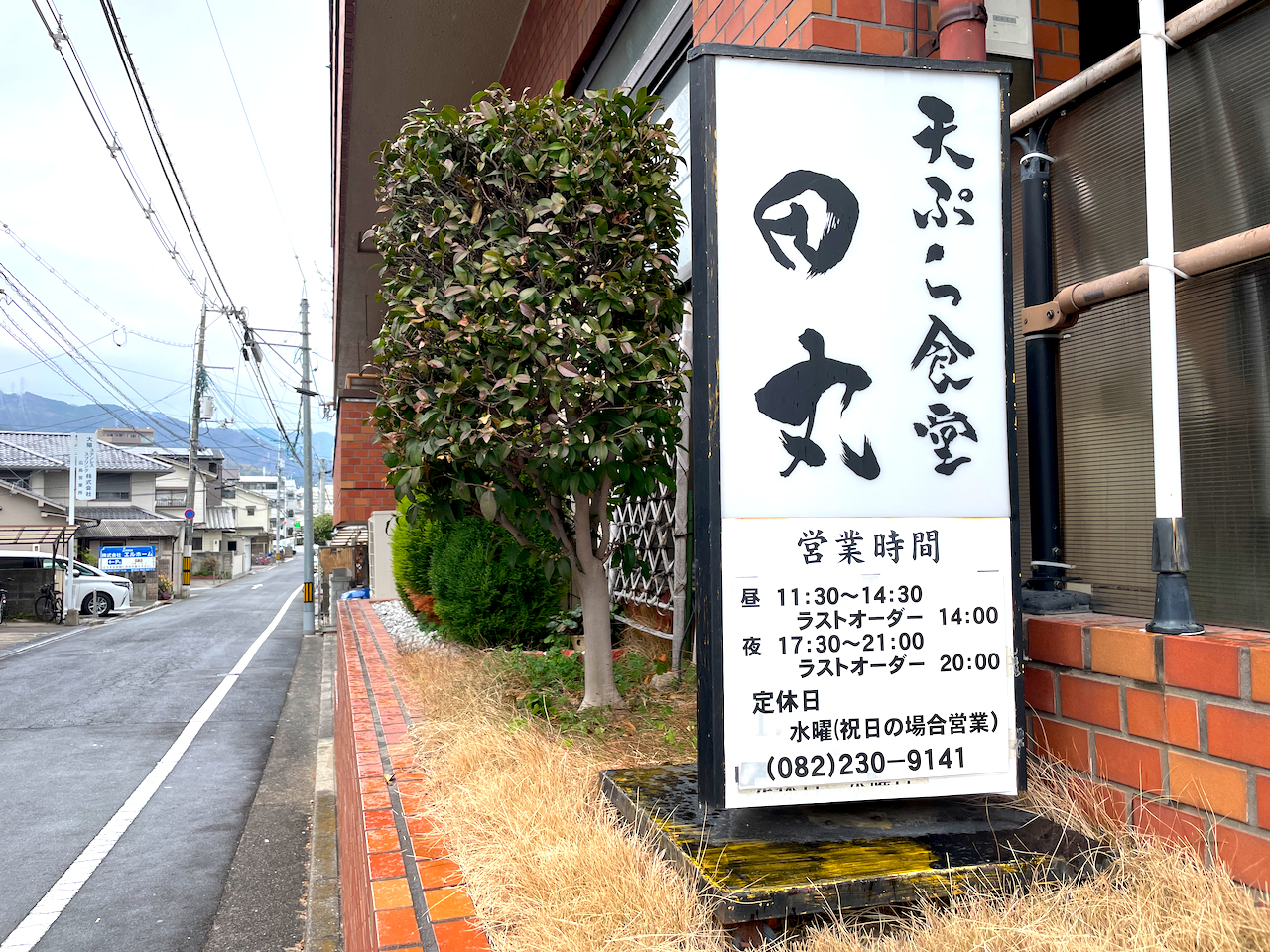
- Lunch 11:30 ~ 14:30 (Last order at 14:00)
Dinner 17:30 ~ 21:00 (Last order at 20:00)
Available for reservation from 17:30 ~ 19:30
- Closed
- Wednesdays
- Payment
- Cash only
- Price Range
- ¥1,200 ~ ¥2,200 per person