Eat
SUSHI-TEI — The Sushi Restaurant & Training Kitchen

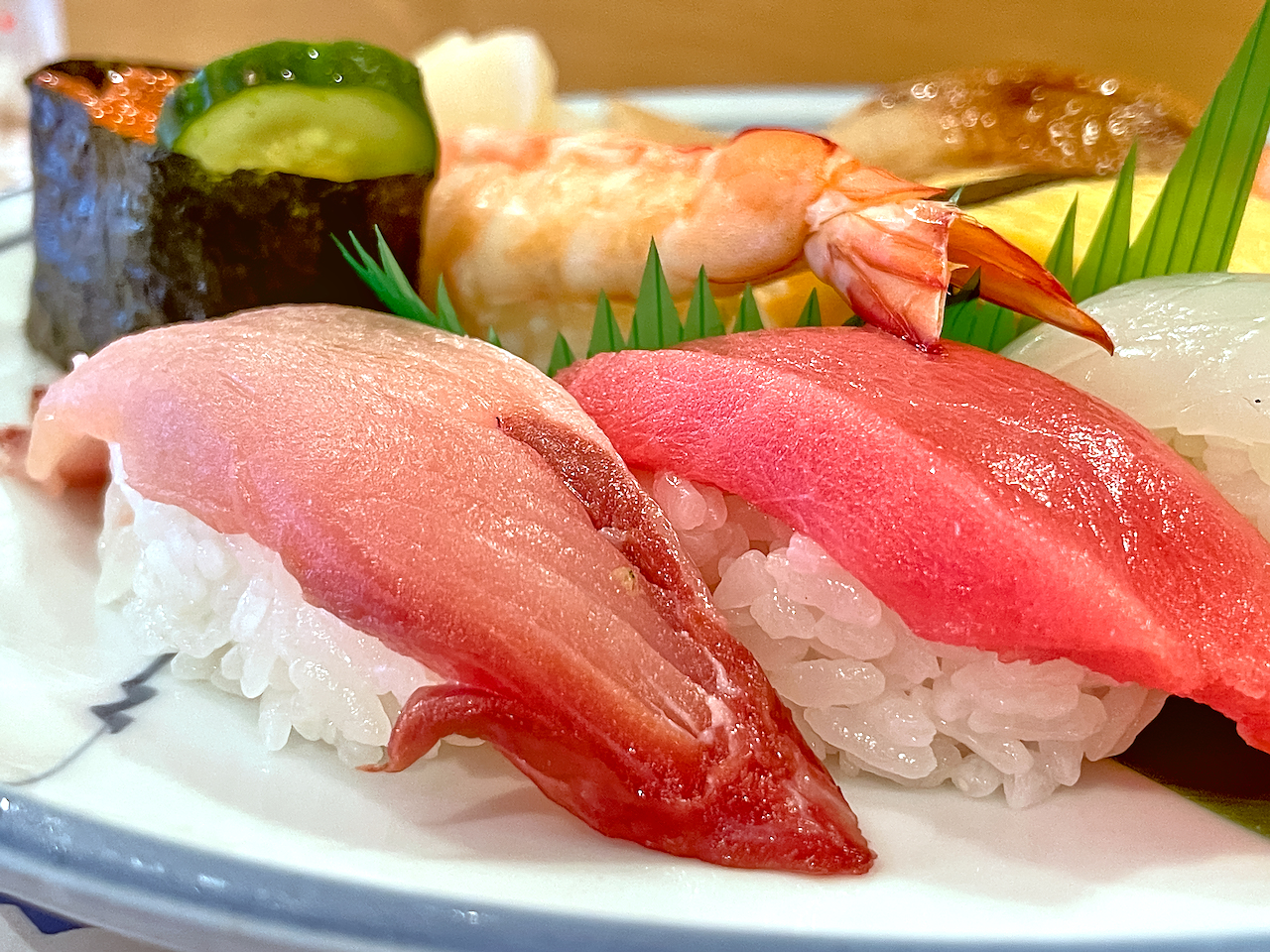
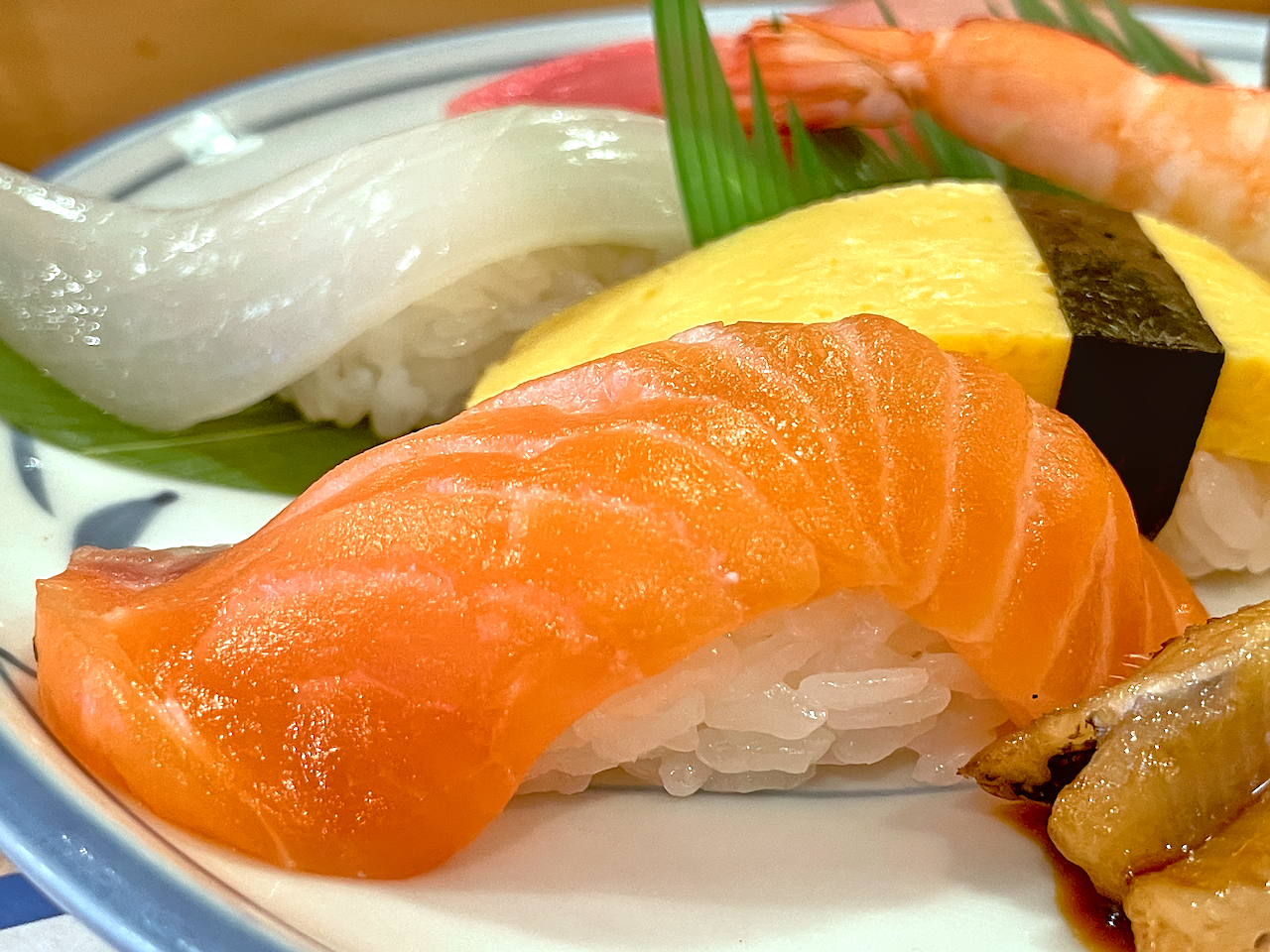
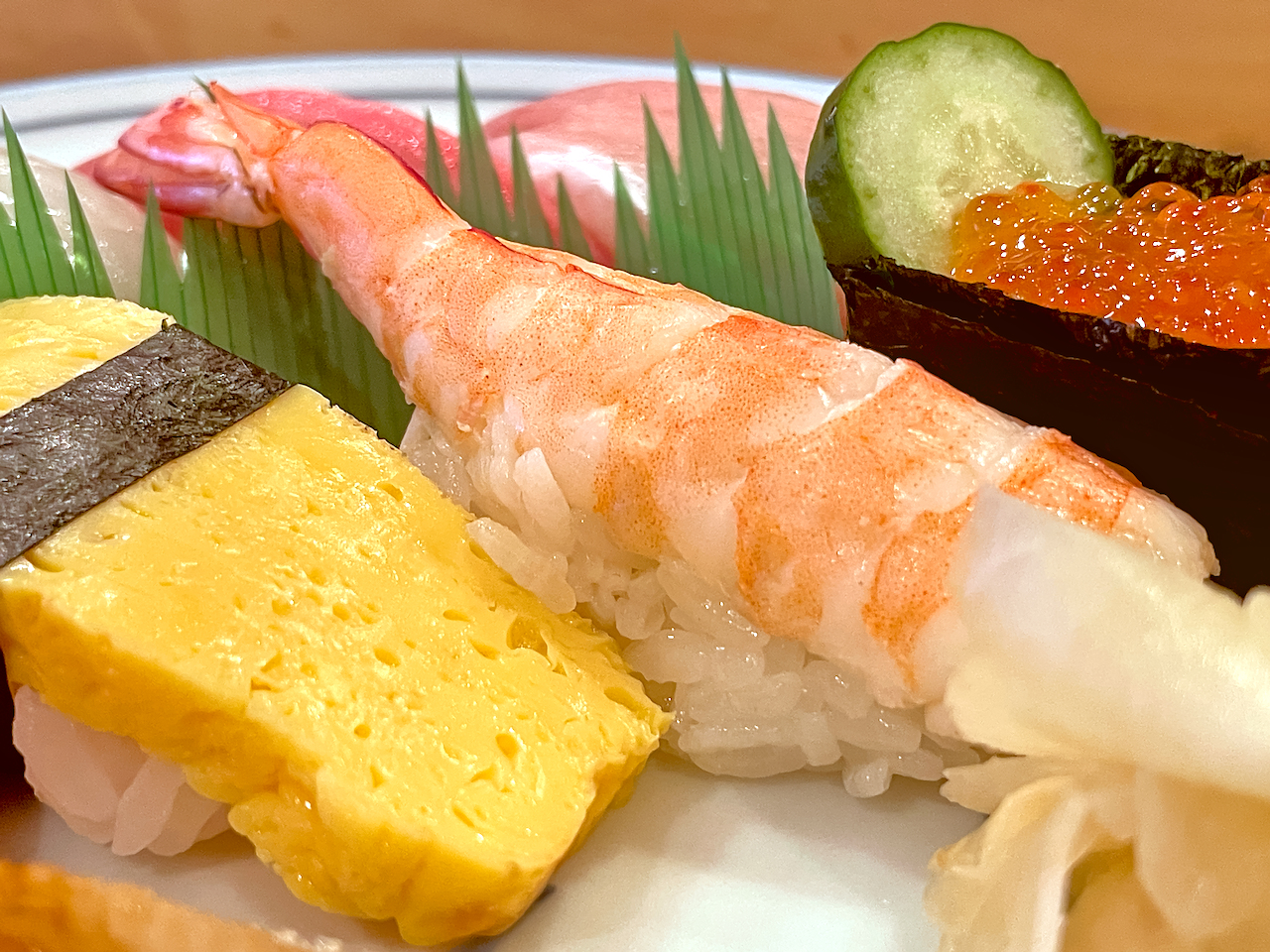
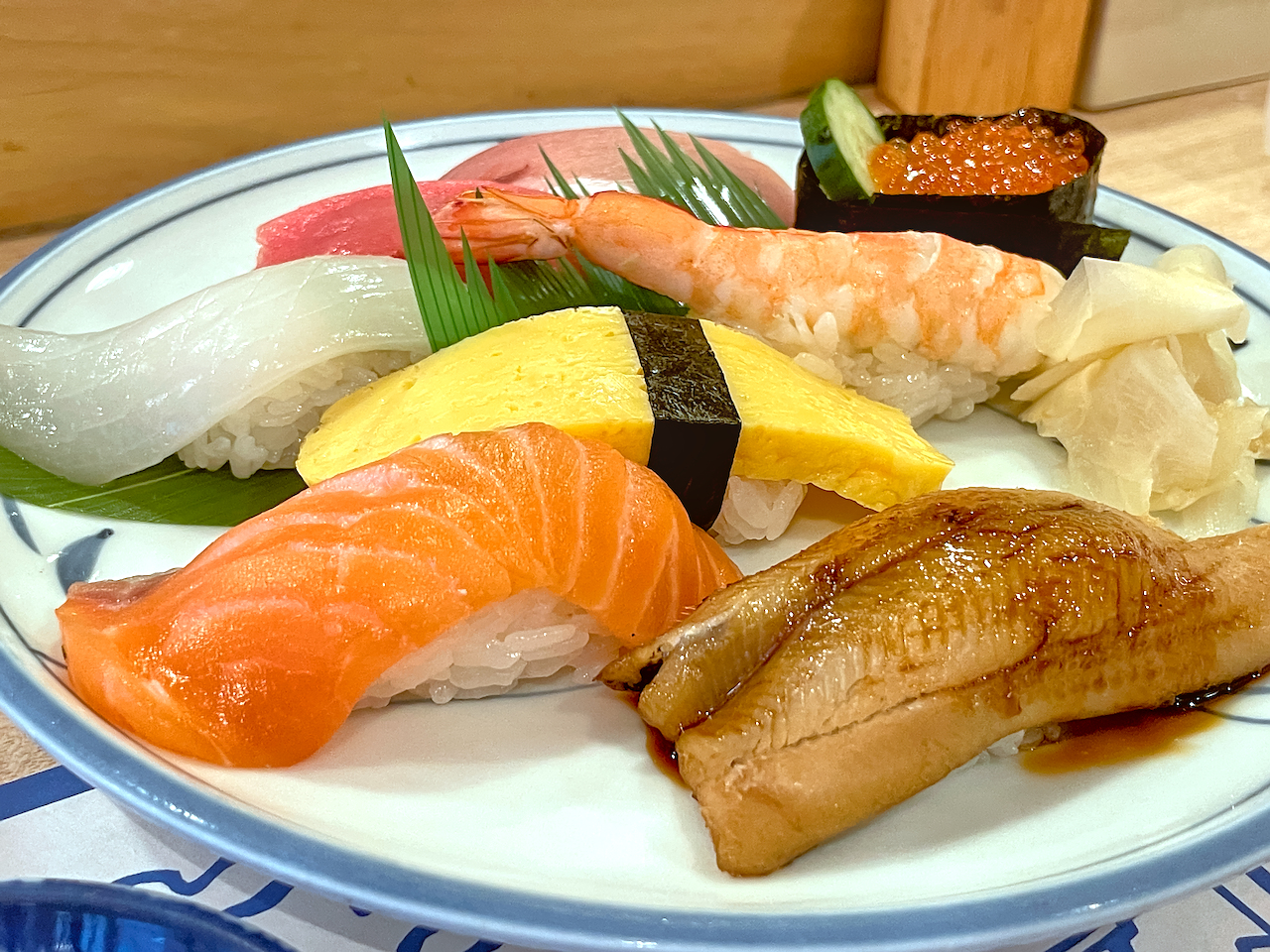
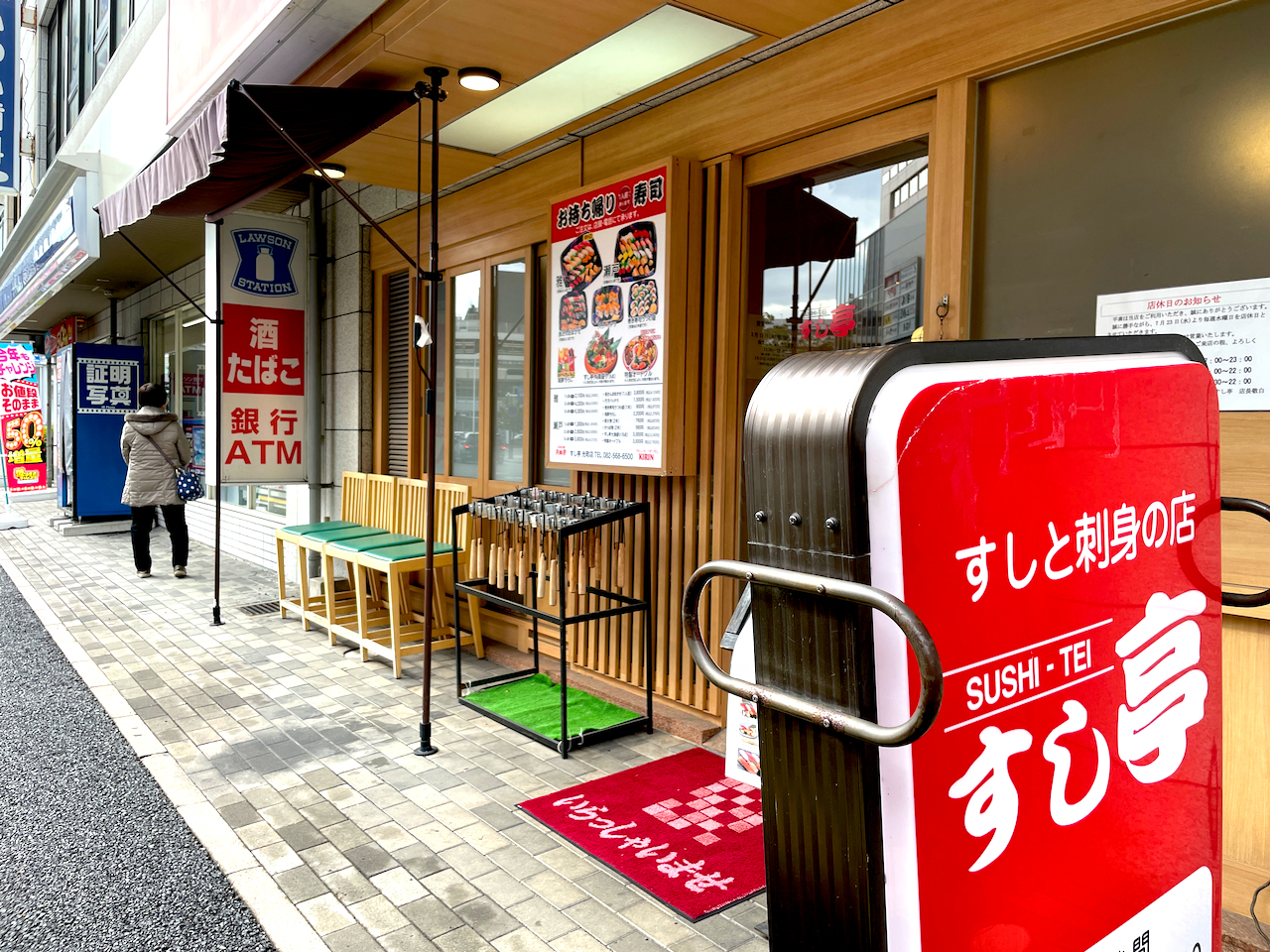
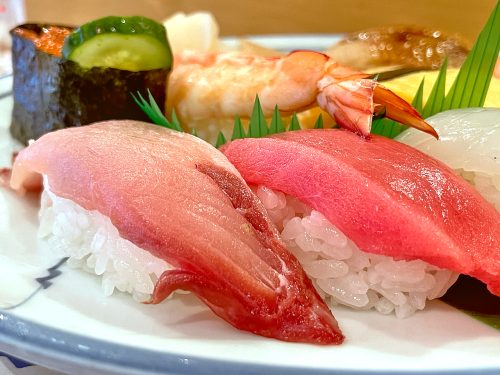
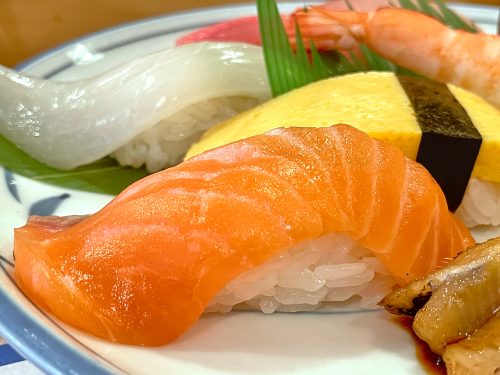
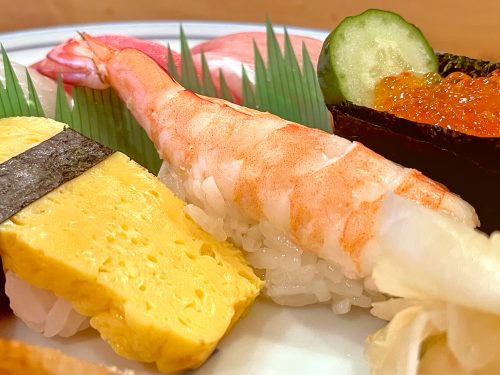
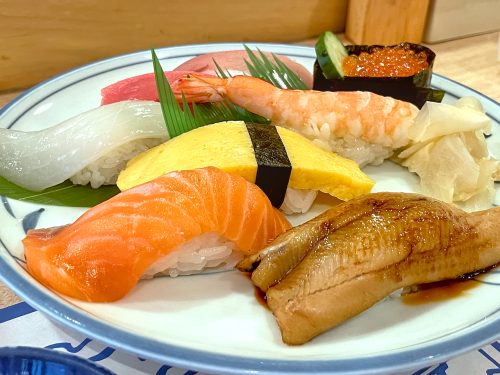
SUSHI-TEI is a local Hiroshima chain near Hiroshima Station. It not only serves Edo-style sushi platters at reasonable prices but invests in the training of its skilled staff.
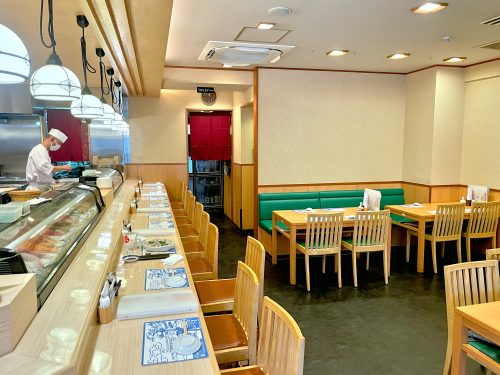
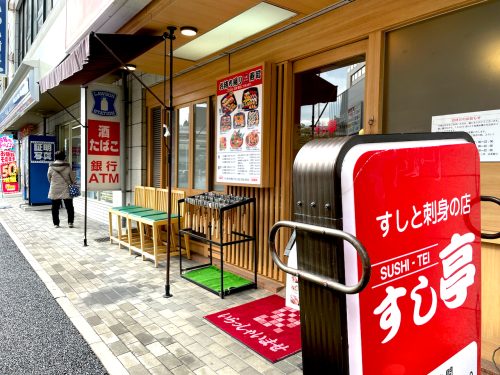
The interior of Sushi-Tei is clean with plenty of counter seating and several tables. (Joy Photo / Michael Farrell)
Step From Shinkansen to Sushi
Hungry train passengers getting off at Hiroshima Station around dinner time don’t need to look far for quality sushi at a fair price. Across the street from the Shinkansen Exit lies SUSHI-TEI Hikarimachi Branch, one of five branches in this Hiroshima exclusive chain.
Sushi-Tei is notable for affordable Edo-style sushi sets, sashimi, seafood dishes and tempura. It also has a unique approach to training its staff. By Western casual-restaurant standards, Sushi-Tei invests unusually heavily in structured staff training with a three-year curriculum for their employees.
While primarily open for dinner, it is open for lunch on weekends and national holidays from 11:30 a.m.
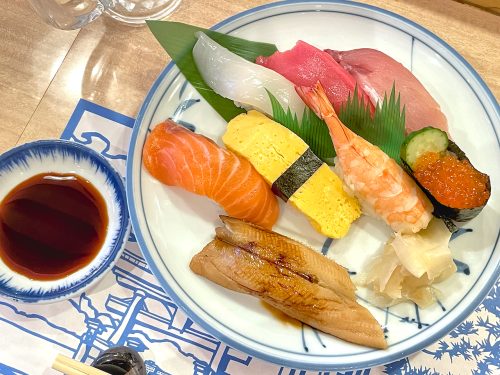
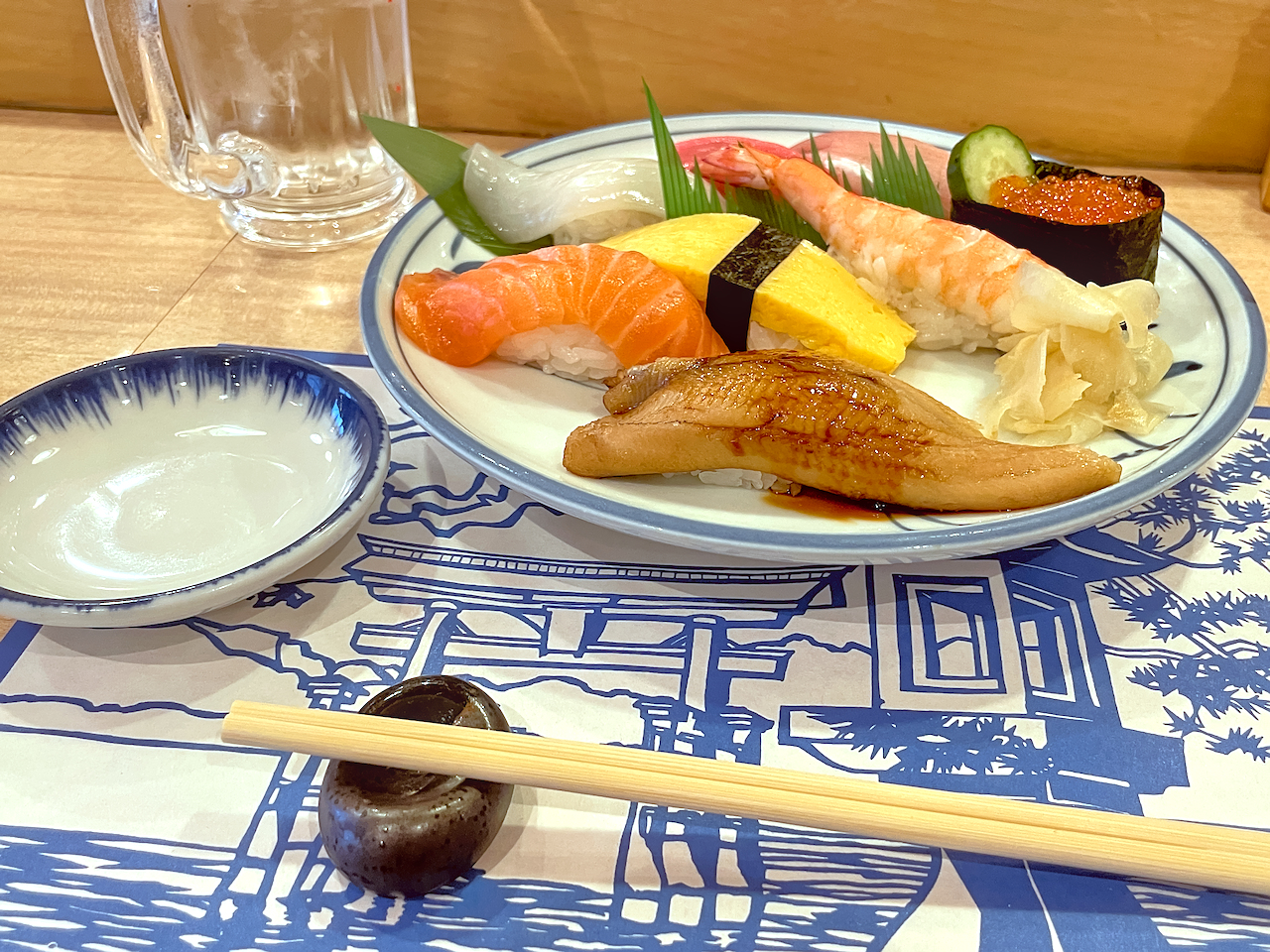
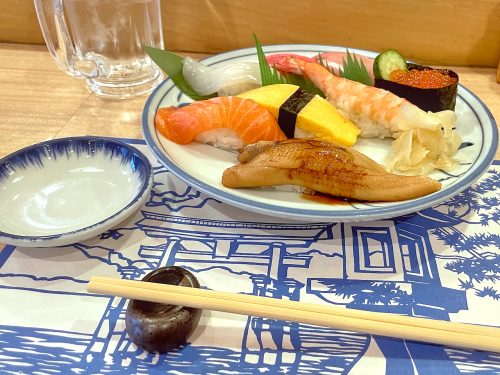
The “normal sushi” platter is called the “Seto” on the Japanese menu, a reference to the nearby sea. (Joy Photo / Michael Farrell)
Japan’s Sushi Paradigm Shift
Sushi Tei’s sushi, though high quality, sits in the “mid-tier” of Japanese sushi culture. “Mid-tier” does not sound great to Western ears, but Japan requires a paradigmatic shift in Western sushi quality expectations. What the Japanese consider “casual, low-end sushi” the ordinary Westerner on average thinks is quite good. Even Japan’s supermarket sushi is quite good to many foreigners. Japan’s mid-tier, in contrast, is considered premium by Western casual dining standards. And the highest end is just another (and expensive) level above that.
It’s like the difference between eating Italian pasta in your home country and then eating it in Italy—different worlds. So what you may think is amazing pasta at home is just decent pasta in Italy.
For this reason, Sushi-Tei’s sushi is respected by locals as solidly good. In my own experience as an expat on a budget used to big, national kaiten sushi chains, Sushi-Tei’s sushi is many levels of quality higher. And so, for a traveler not accustomed to authentic Japanese cuisine, Sushi-Tei can be revolutionary.
The Menu
At kaiten (conveyor belt) sushi shops, you order plates with one or two sushi on them. At sushi bars, the chef hands sushi directly to you. Local sushi restaurants have more variety. Sushi Tei’s angle is tables and bar seating with an emphasis on assortment platters.
Sushi Moriawase (Assortment Platters)
Sushi-Tei’s tourist-facing English menu features a variety of sushi platters made with fresh fish sourced from the nearby Seto Inland Sea and around Japan. A safe starter is their normal sushi platter. It includes an ikura (salmon roe) gunkan and six different nigiri made with local seafood plus one tamago sushi, a kind of sushi made with a sweetened Japanese omelet. For those with deeper pockets and a hearty appetite or friends to share with, the 13-piece itasan omakase features 10 different nigiri with fish that dwarfs the rice. The included anago (conger eel) nigiri is about as long as an adult’s hand. The set also has an ikura and an uni (sea urchin roe) gunkan plus three tekkamaki (lean tuna) sushi rolls.
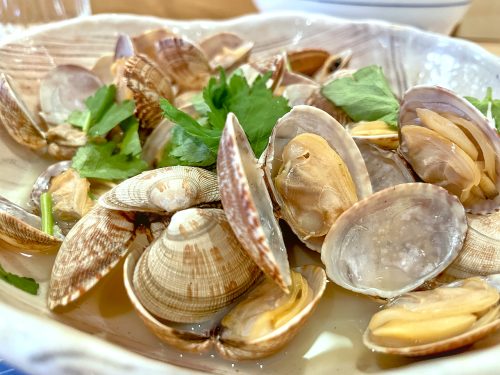
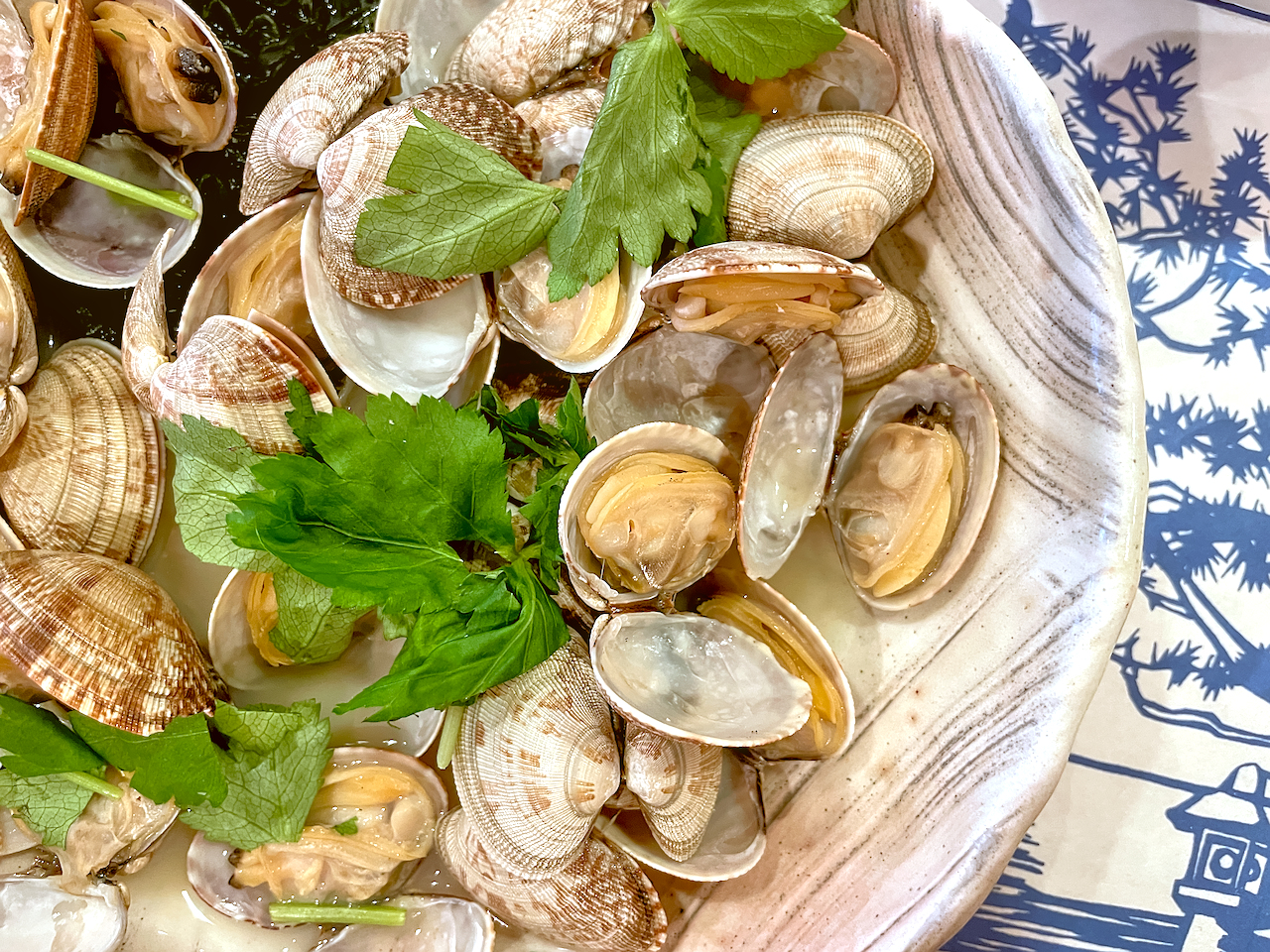
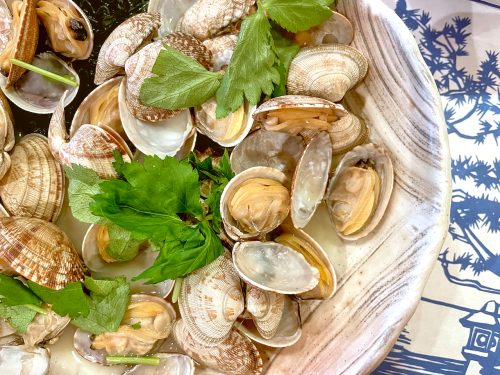
The clam meat was about the size of a ¥500 coin. (Joy Photo / Michael Farrell)
Seasonal Menu
Sushi-Tei’s normal menu is designed for locals and so entirely in Japanese. It includes a large seasonal menu that changes monthly as seafood species go in and out of season. When visited in February, the online version of the seasonal menu included delicacies like steamed hamaguri clams (煮はまぐり), and namago-su (なまこ酢), a classic winter dish of thinly sliced sea cucumber. Winter is also buri (amberjack) season in the Seto Inland Sea, so their February menu included winter buri sashimi (寒ぶり刺身) and nigiri (寒ぶりにぎり).
The printed February menu at Sushi-Tei Hikarimachi Branch had many deviations from the online menu. For example, it didn’t have hamaguri clams, but the printed main menu had sake steamed clams (あさり酒蒸し) a similar dish. Plus, while the online seasonal menu had eleven items, the printed version had twenty-five, including five fugu (pufferfish) dishes.
Structured Sushi Training
Japan has a longstanding culture of on-the-job training, apprenticeship and internal progression, especially in food service and crafts. However, Sushi-Tei stands out among similar restaurants for its structured training program. The parent company’s website outlines a three year sushi chef and restaurant management in-house training system whereby new staff are introduced to the craft of food preparation and restaurant operations. Each month, a different skill is learned, practiced and tested. For example, in May their curriculum says junior employees learn how to hold, use and sharpen a knife. Twelve months and various other lessons later, they advance to cutting sashimi.
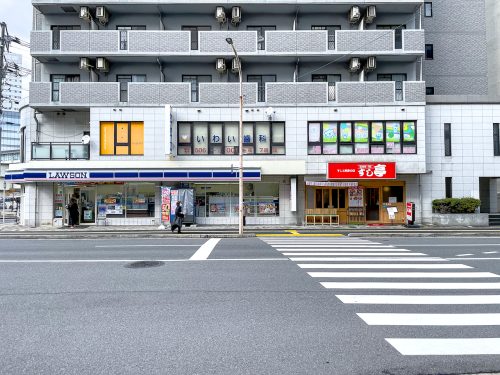
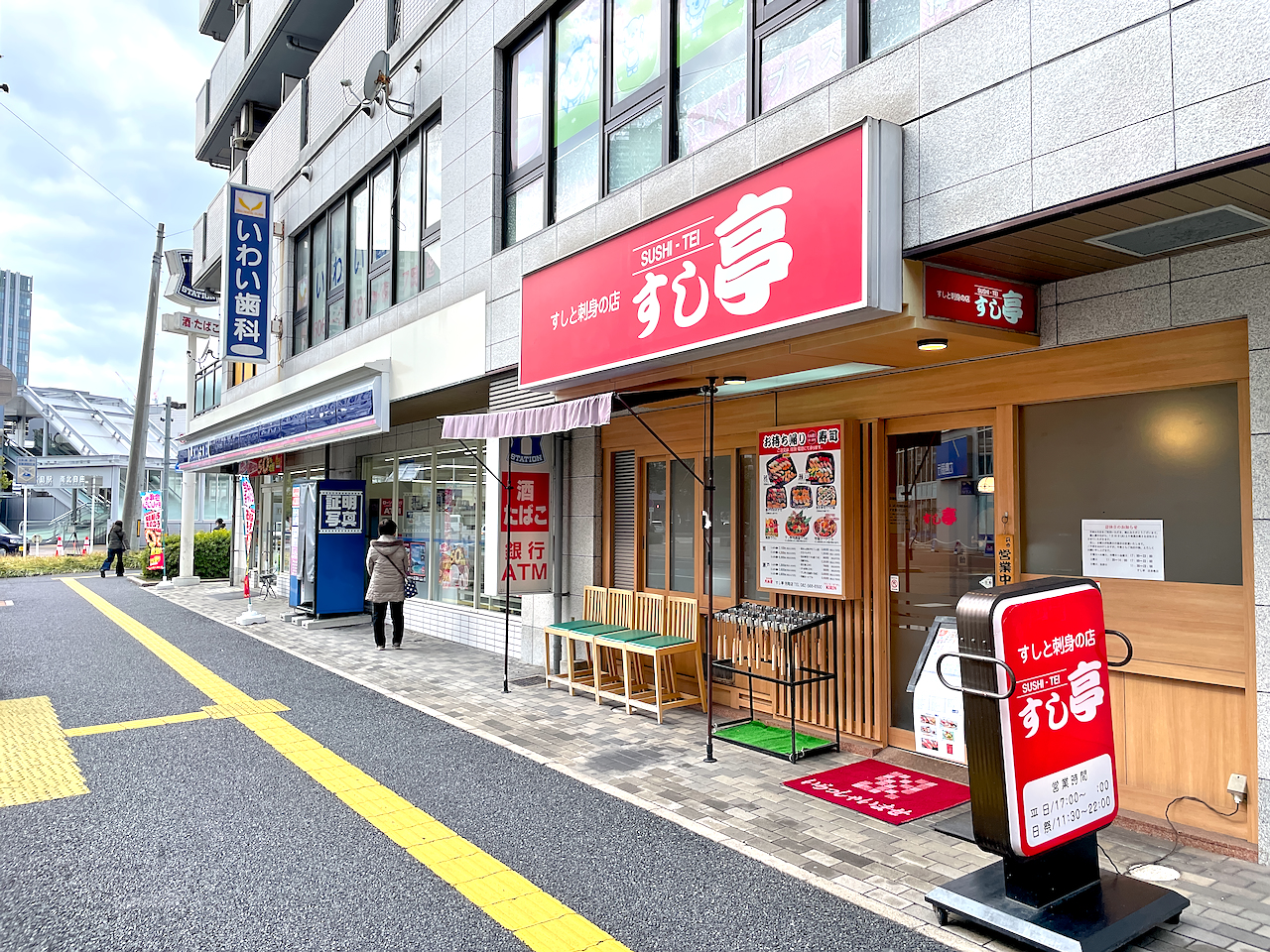
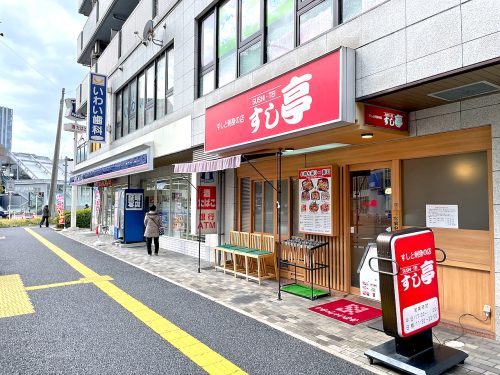
Sushi-Tei as seen from the side of Hiroshima Bank. Look left and Hiroshima Station’s northern face is across the intersection. (Joy Photo / Michael Farrell)
Getting There
Located a three-minute walk from Hiroshima Station, Sushi-Tei is very accessible. Leave by the second floor Shinkansen Exit and follow the veranda to the right. It wraps around the outside of the station and turns into a footbridge over the main road. Take the stairs or elevator down to the ground floor and turn right. You should see a Hiroshima Bank on the corner on the right. Cross. Two roads on the right merge before the intersection. Sushi-Tei is in the middle next to the Lawson convenience store.
More Great Hiroshima Sushi
Kaiten sushi restaurants, though typically budget level, can serve sushi as good as mid-tier shops. Nonta Sushi, near Hiroshima Peace Memorial Park, owns their own seafood port in nearby Yamaguchi Prefecture, allowing them access to high-quality but affordable fish. Or if you’re aiming for the high-end of sushi restaurants, Sushi Maimon near Miyajima creatively breaks stereotypes by mixing a high end sushi experience with Italian food.
Moment of Joy
Prompt Service
The staff are very attentive. While seated at the bar across from the head chef, I dropped one of my chopsticks on the floor. While I was debating whether to steal a new one from the empty table next to me, the chef had a new pair brought to me without my asking.
Written by

Michael Farrell is a reporter and editor who began traveling the world in 2010. His publishing career started in New England, first at the Gloucester Daily Times and later as a copy editor with boutiq…More


- Open
- Weekdays excluding Wednesday 17:00~23:00
Saturdays 11:30~14:00
Sundays and National holidays 11:30~22:00
- Closed
- Wednesdays
- Payment
- Cash, major credit card
- Price Range
- ¥2,000 to 4,000 per person